


 中文简体
中文简体 English
 Français
 عربى
عربى +86-15988502726(wechat)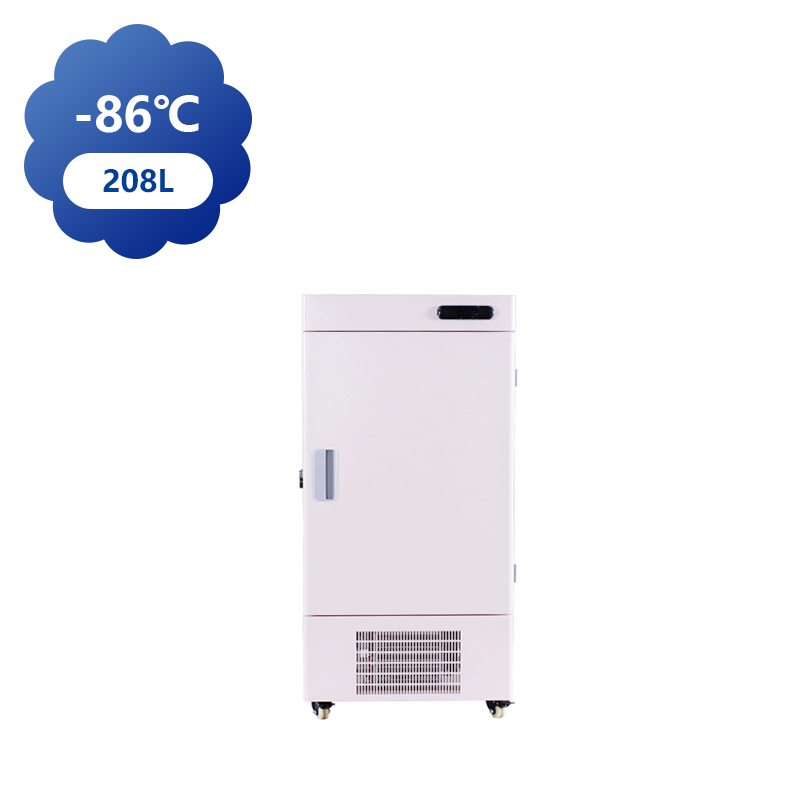




You can contact to me using this form.
Cold storage needs in clinical, research, and healthcare settings are common topics in online professional forums and research discussions. One question that frequently arises is whether medical labs need separate freezers apart from their regular refrigeration systems such as a refrigerator for medical use or a medical fridge and freezer — and how these decisions affect sample integrity, workflow, and compliance. Zhejiang Heli Refrigeration Equipment Co., Ltd. offers this overview to help labs consider their options.
1. Different Storage Tasks Often Require Different Units
Medical laboratories handle a wide variety of materials — from reagents and biological samples to vaccines, enzymes, and patient specimens. Each type of material has distinct temperature needs:
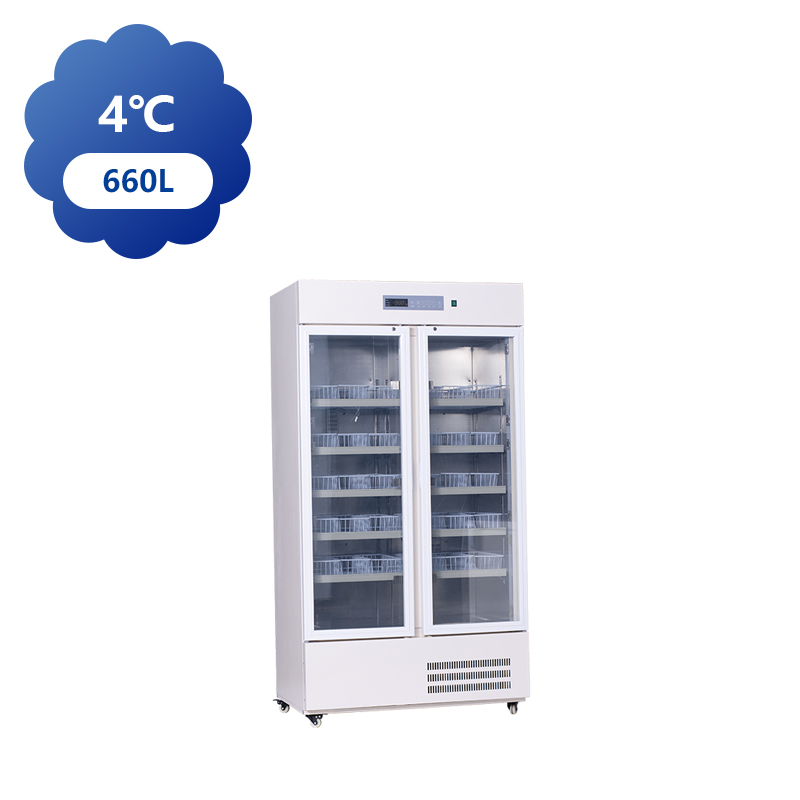
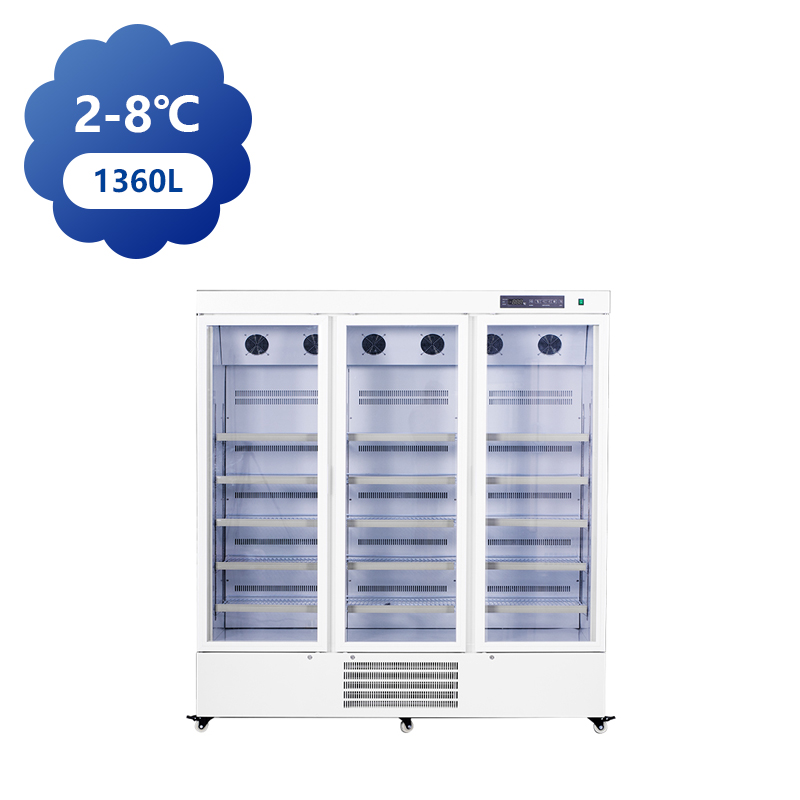
Routine reagents and samples often must be kept between +2°C and +8°C, a range maintained by a medical fridge or refrigerator designed for medical use.
Other materials, such as frozen reagents, enzymes, or long-term biological samples, may require temperatures below 0°C — typically in the –10°C to –30°C range or much lower for ultra-sensitive samples.
Because these temperature bands are significantly different, many labs choose separate freezers matched to the colder needs rather than relying on a single combination unit that tries to do both.
2. Why Combination Units Are Rarely Sufficient for Labs
Standard residential or combination refrigerator/freezer appliances — the type that have both cooling and freezing compartments in one cabinet — are strongly discouraged for use with sensitive medical and laboratory materials. Studies and guidelines note that these units often have wide temperature fluctuations, lack independent control of compartments, and do not provide consistent uniformity across storage zones.
For example, in a research setting where freezing conditions must be reliably maintained for enzyme stability or long-term storage, even relatively small temperature swings can degrade samples.
3. Laboratory and Clinical Practice Trends
Real-world practices shared by medical professionals online reflect this guideline advice:
Many labs report using multiple refrigerators and freezers with different temperature settings rather than combining everything in a single unit, particularly for critical reagents and patient specimens.
Some facilities will even separate fridges or freezers by use case — for example, one for reagents and another for specimens — though exact practices may vary by space, budget, and local policy.
This diversity of storage reflects both functional needs and regulatory prudence, since temperature control plays an important role in sample integrity and compliance with quality standards.
4. Matching Freezer Types to Laboratory Needs
Not all labs need ultra-cold conditions, but many clinical and research settings will require at least one dedicated freezer in addition to their medical refrigerator:
Standard lab freezers: Typically operate between –10°C and –30°C and are suitable for a broad range of reagents, plastics, and general samples.
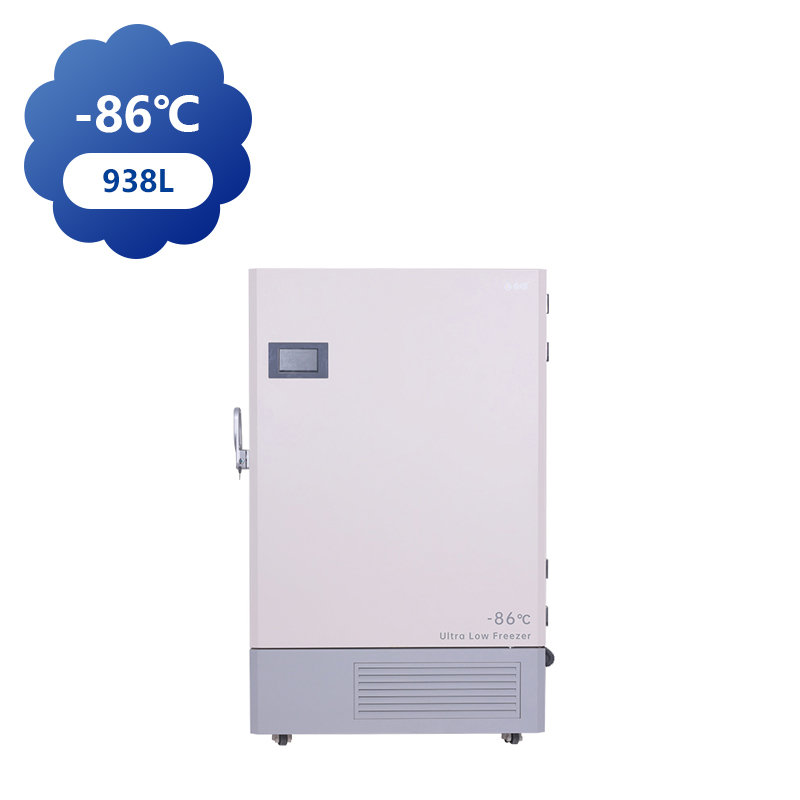
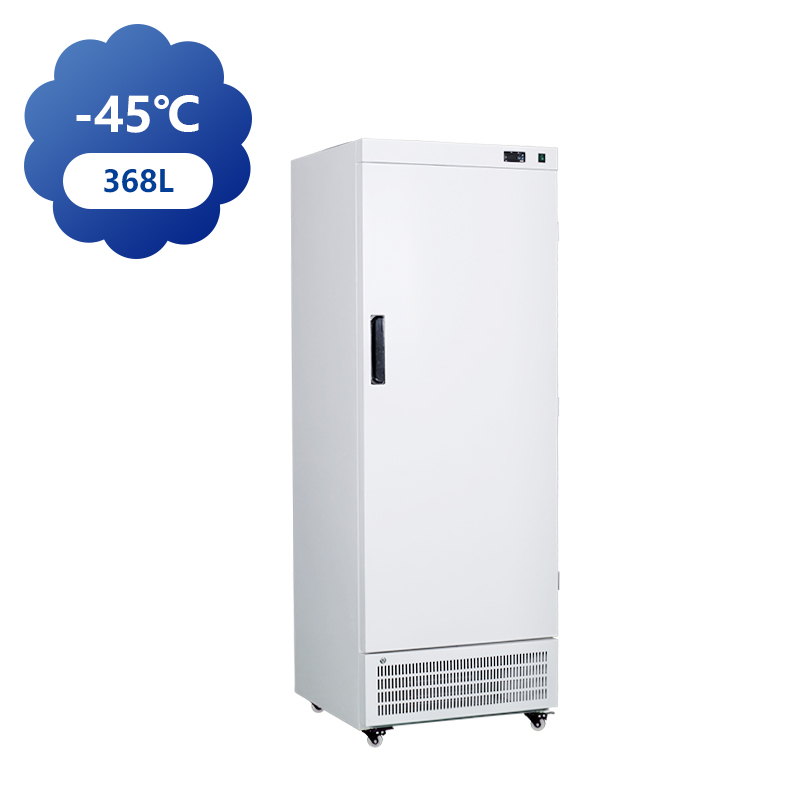
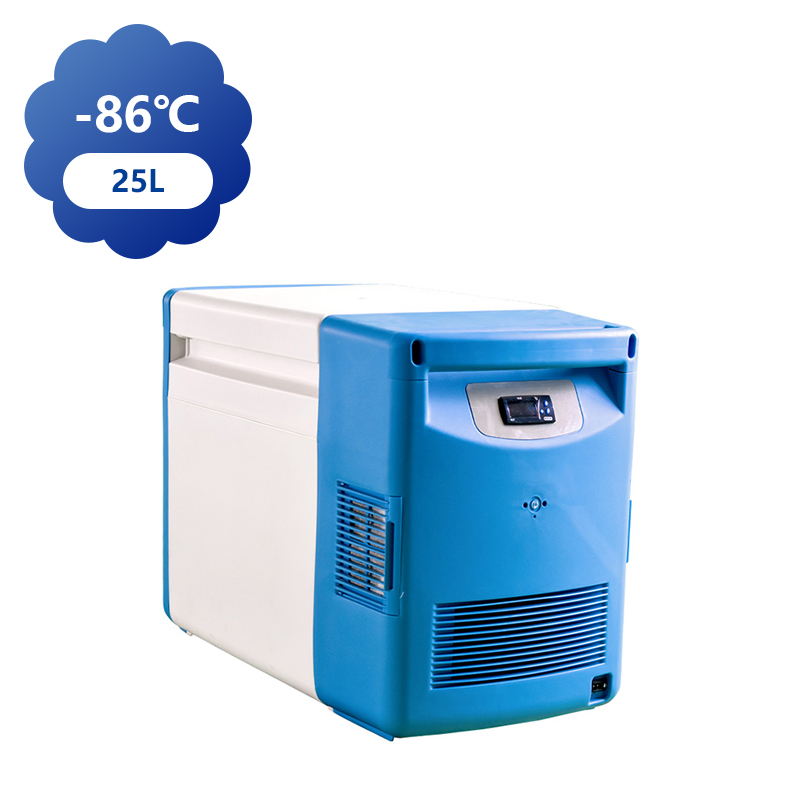
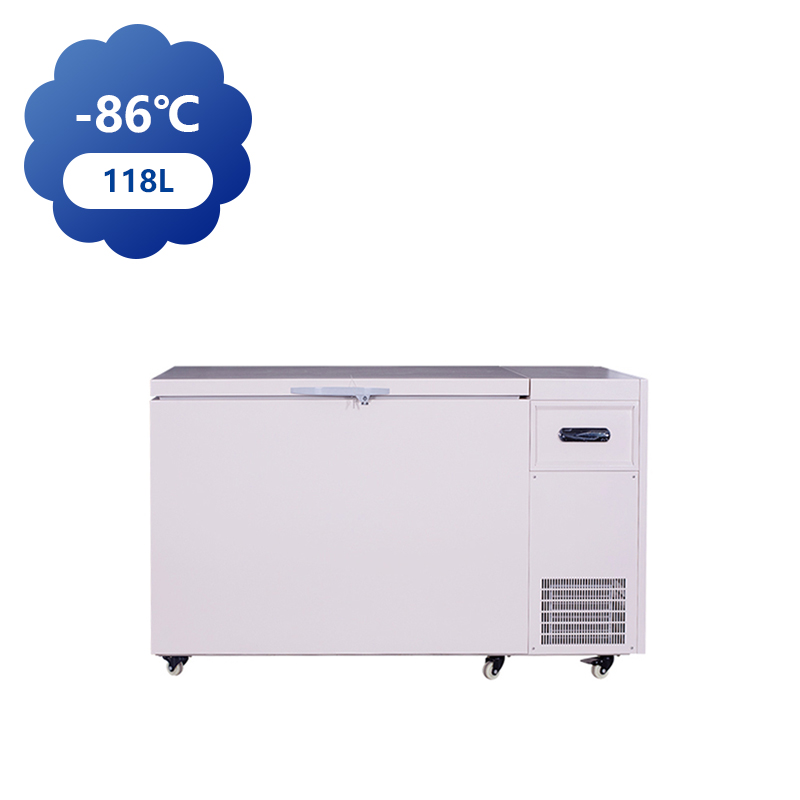
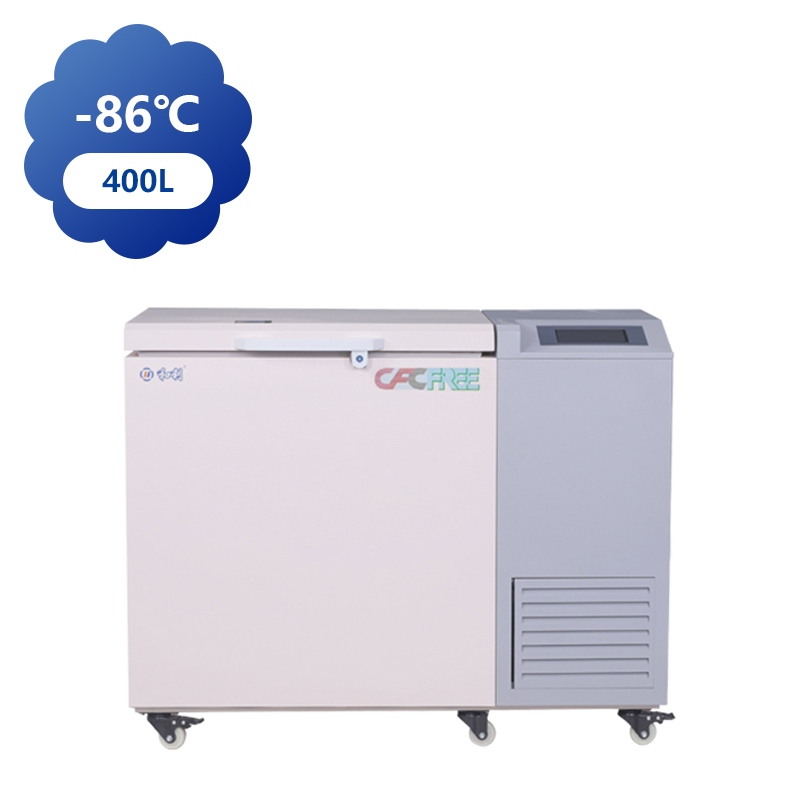
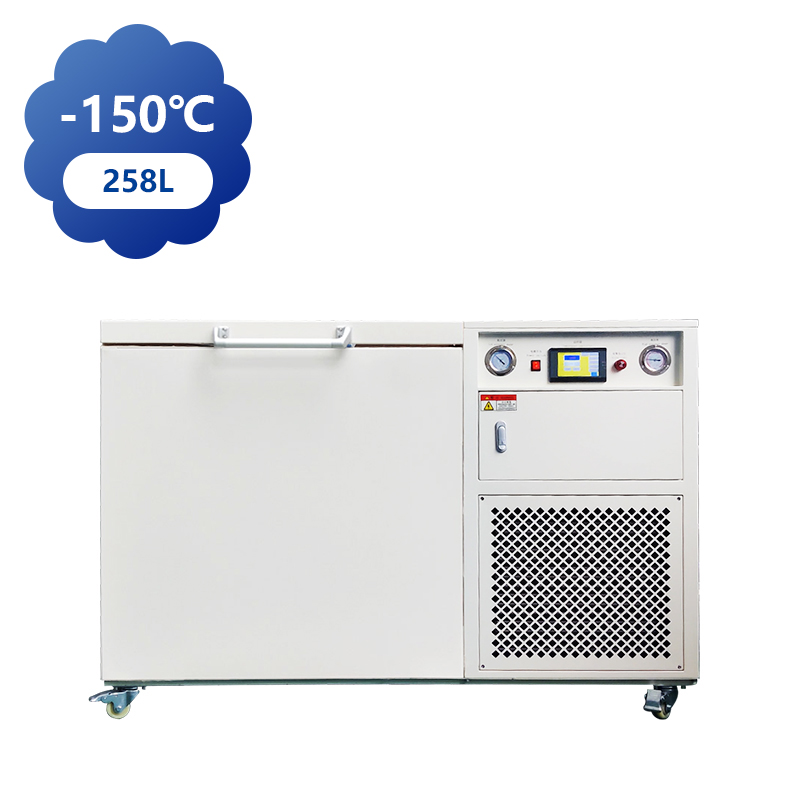
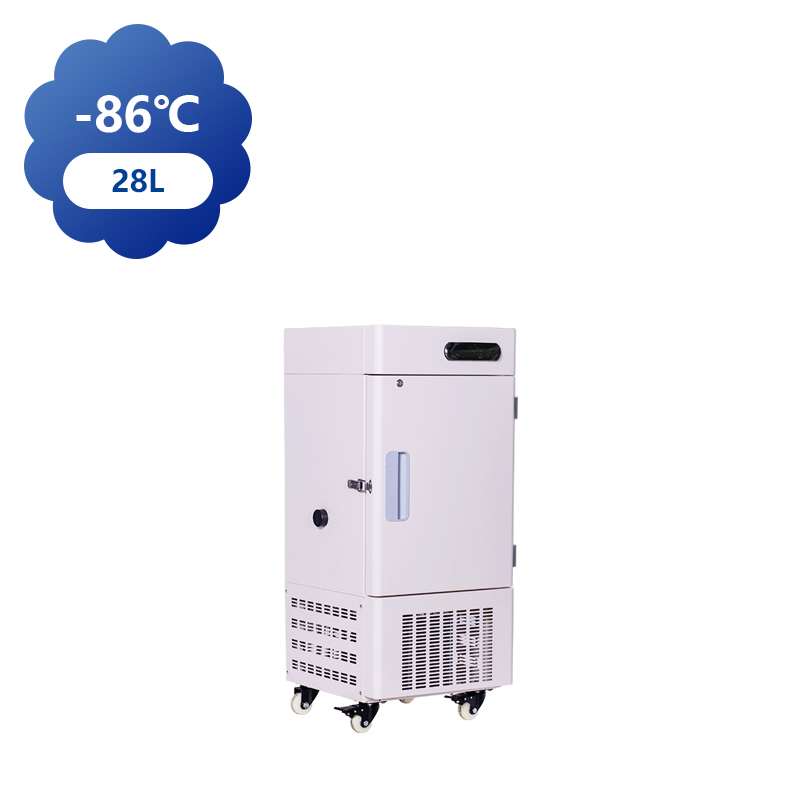
Ultra-low temperature (ULT) freezers: Reach –45°C to –80°C or lower, ideal for long-term preservation of biologics, DNA/RNA samples, and other highly sensitive materials.
Choosing the right type of freezer depends on the specific temperature requirements of what you intend to store rather than convenience alone.
5. Benefits of Dedicated Separate Freezers
Here are some practical advantages of maintaining separate freezer units in a medical lab environment:
Better temperature control: Purpose-built freezers maintain tighter ranges and more consistent uniformity across the chamber compared with multipurpose units.
Improved workflow: Segregating storage by temperature range helps staff quickly access materials at the correct temperatures without introducing fluctuations from frequent door openings.
Safety and compliance: Many reagent and sample handling SOPs specify distinct storage conditions, and having dedicated freezers supports regulatory compliance.
6. When a Separate Freezer May Not Be Required
Smaller labs or clinics with limited space may combine refrigeration and freezing needs into a single configured cold storage plan when the volume and sensitivity of frozen materials are minimal. In these cases, facilities must monitor temperatures carefully and maintain appropriate alarms and data logging to ensure conditions remain within safe limits for all stored items.
However, even in these settings, users should confirm that the unit chosen can maintain a stable environment appropriate for its intended purposes.
