


 中文简体
中文简体 English
 Français
 عربى
عربى +86-15988502726(wechat)



You can contact to me using this form.
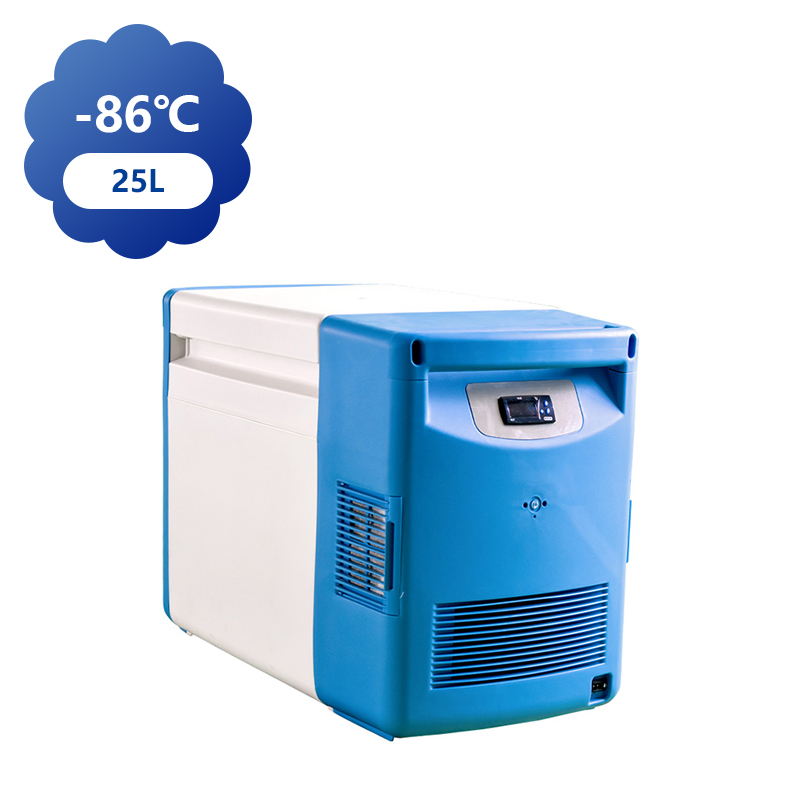
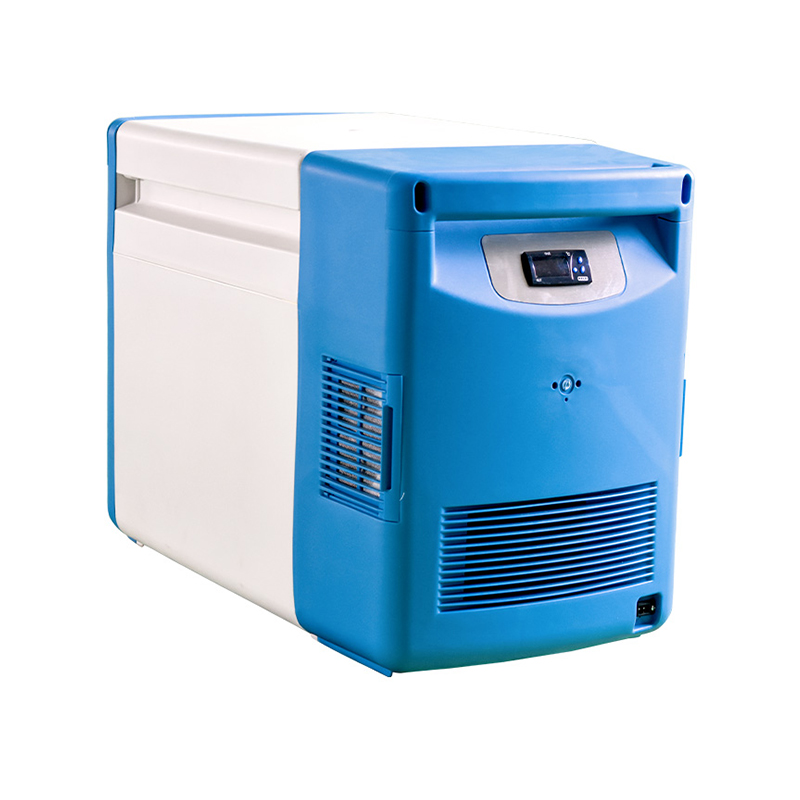
Across medical logistics, outdoor research, pharmaceutical distribution, and emergency response sectors, one topic is increasingly appearing in procurement discussions: reliable cold chain performance outside traditional infrastructure. Buyers are no longer only comparing storage capacity, but also temperature stability under motion, energy efficiency, and insulation reliability. This is driving increased attention toward solutions such as the ULT Car Freezer, especially for operations where samples, vaccines, or temperature-sensitive materials must remain stable during transport across long distances or unstable environments.
Cold Chain Reliability Is Becoming a Field Operation Priority
Recent industry discussions show a clear shift: organizations are expanding cold chain requirements beyond warehouses and laboratories into field environments. Mobile clinics, mobile laboratories, and cross-border logistics providers all require consistent ultra-low temperature performance during transit.
Unlike stationary equipment, portable systems must maintain internal stability while exposed to vibration, ambient temperature fluctuations, and inconsistent power supply conditions. This has made operational reliability a primary evaluation factor for procurement teams, particularly in healthcare and scientific research applications.
Temperature Stability Under Movement Is a Key Technical Concern
One of the frequently searched topics among engineers and logistics planners is temperature fluctuation during transport. Even small variations can compromise biological samples, pharmaceutical compounds, or sensitive reagents.
To address this challenge, buyers are now focusing on systems with:
- Strong compressor performance under vibration conditions
- High-efficiency insulation layers to reduce thermal loss
- Intelligent temperature control systems
- Rapid recovery after door opening cycles
- Stable cooling curves during long-distance transport
These technical factors are often evaluated through real-world testing scenarios rather than theoretical specifications alone.
Power Adaptability for Multi-Environment Use
Field operations rarely rely on a single power source. Vehicles, field stations, and temporary medical units may all require different energy inputs.
As a result, procurement teams increasingly request information on:
- DC vehicle power compatibility
- AC grid adaptability
- Battery backup integration
- Low-voltage protection systems
- Energy consumption optimization during idle states
This flexibility is especially important for emergency medical transport and remote scientific fieldwork, where power interruptions are common.
Portability and Structural Design Efficiency
In modern logistics workflows, equipment mobility is just as important as cooling performance. Operators need systems that are easy to load, secure during transport, and durable under repeated handling.
Design considerations often include:
- Reinforced casing for shock resistance
- Compact footprint for vehicle installation
- Ergonomic handles for manual loading
- Secure locking mechanisms for transport safety
- Lightweight construction without compromising insulation
These features help reduce operational strain and improve deployment efficiency in fast-paced environments.
Monitoring Systems and Digital Temperature Control
Another emerging trend in cold chain equipment is digital monitoring. Procurement teams increasingly look for real-time visibility into storage conditions, especially for high-value or regulated goods.
Modern buyers frequently evaluate:
- Digital temperature display accuracy
- Alarm systems for temperature deviation
- Data logging capability for compliance reporting
- Remote monitoring integration options
- Sensor redundancy for reliability assurance
These functions are particularly important in pharmaceutical logistics, where regulatory compliance requires detailed temperature records throughout the entire transport cycle.
Maintenance and Long-Term Operational Reliability
In professional cold chain operations, downtime is not acceptable. Equipment must remain functional over long service periods with minimal intervention.
Buyers often prioritize:
- Easy-access maintenance design
- Replaceable compressor components
- Durable sealing systems
- Stable long-cycle operation performance
- Reduced frost buildup mechanisms
These considerations directly influence total cost of ownership, making maintenance efficiency a major purchasing factor for fleet operators and distributors.
Why Engineering Quality Matters in Mobile Ultra-Low Temperature Systems
As cold chain applications expand into more complex environments, equipment reliability is no longer optional—it is a core operational requirement. Whether used in field hospitals, mobile laboratories, or logistics vehicles, performance consistency directly affects product integrity and operational success.
For global buyers evaluating suppliers, engineering capability, thermal design quality, and production consistency are becoming more important than price alone. A well-designed ULT Portable Freezer plays a critical role in ensuring temperature-sensitive materials remain protected across every stage of transport.
As demand continues to grow, manufacturers that can deliver stable performance, adaptable power systems, and reliable cold chain protection will remain essential partners in modern mobile refrigeration applications.
