


 中文简体
中文简体 English
 Français
 عربى
عربى +86-15988502726(wechat)
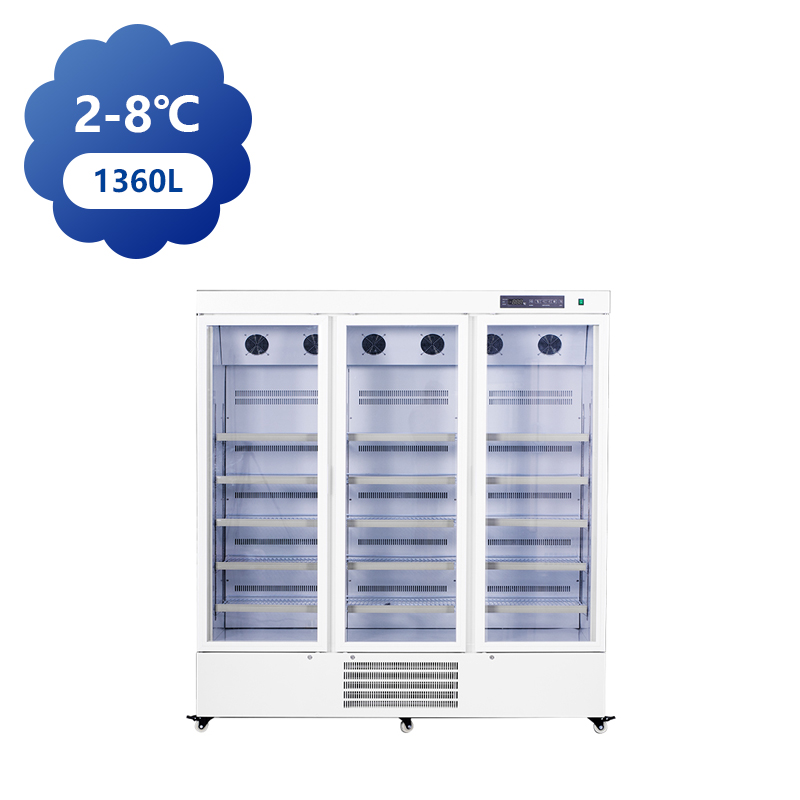
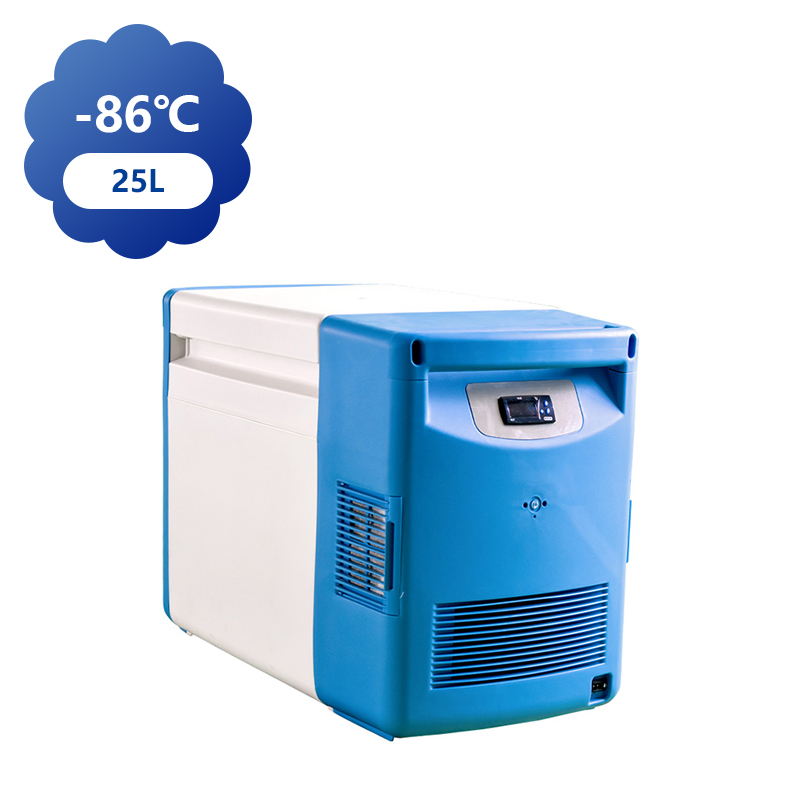
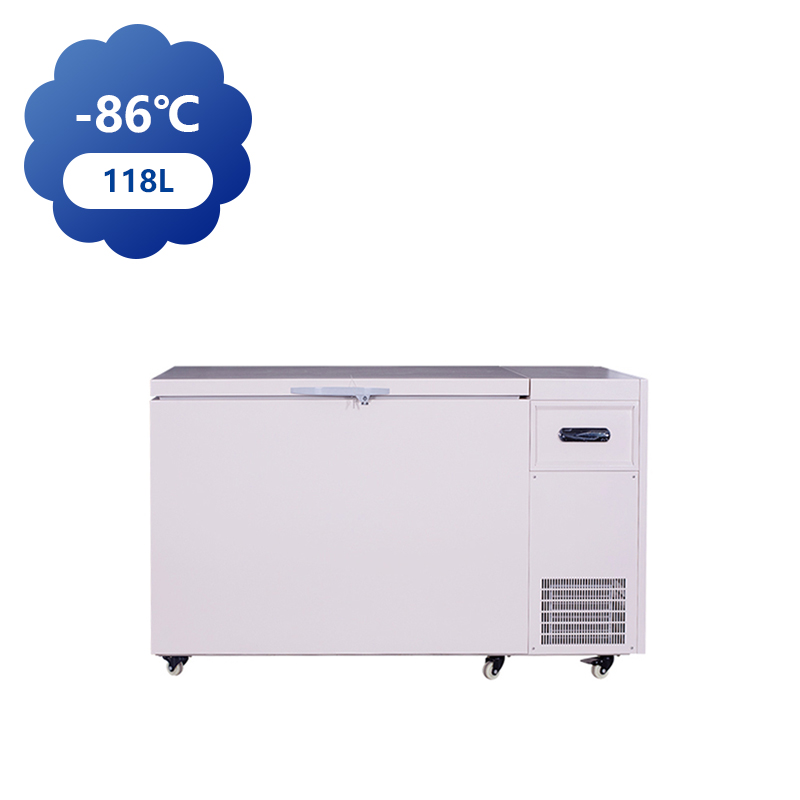

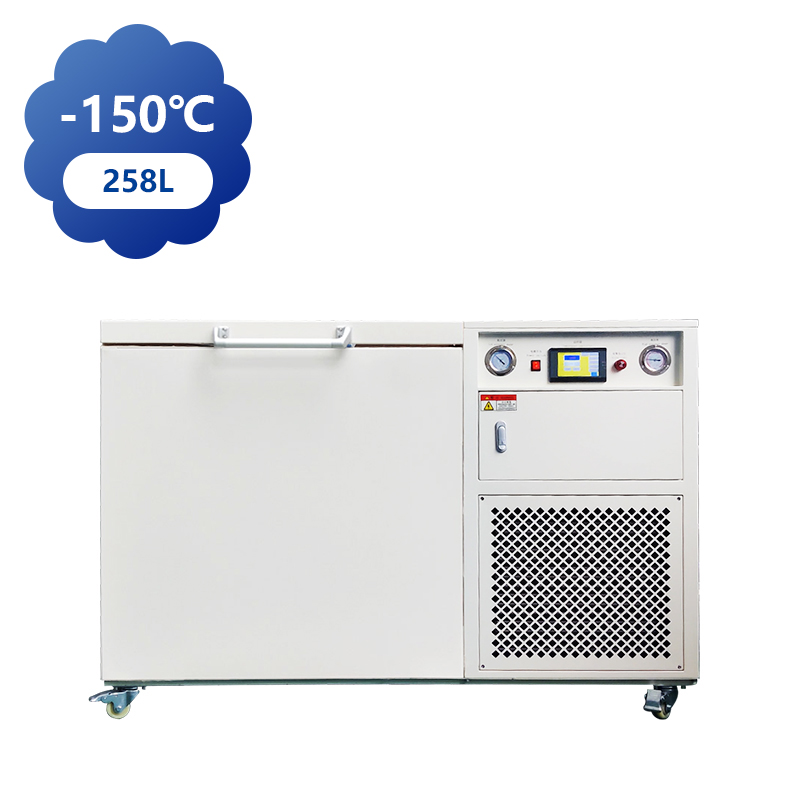




You can contact to me using this form.
Healthcare professionals, lab managers, and clinical staff often discuss the importance of monitoring systems on forums, social media groups, and search engines when considering a refrigerator for medical use or a medical fridge and freezer. Alarm systems may seem like an optional feature, but their role in protecting temperature-sensitive medical products is critical. Zhejiang Heli Refrigeration Equipment Co., Ltd. integrates these features into its medical refrigeration solutions to enhance safety and reliability.
1. The Function of Monitoring Alarms
Monitoring alarms are designed to detect deviations in temperature and alert staff immediately. Even a minor fluctuation outside the safe range can compromise vaccines, reagents, or biologics. Alarm systems ensure that:
Staff are promptly notified of dangerous conditions.
Potential product spoilage is minimized through quick intervention.
Documentation for regulatory compliance is supported.
Unlike household refrigerators, which typically lack monitoring features beyond a simple visual thermometer, medical fridges and freezers incorporate alarms that respond to temperature, power failures, or door openings.
2. Types of Alarm Systems in Medical Refrigeration
Several types of alarms are used in medical refrigeration:
Audible alarms: Emit a loud sound if temperatures rise above or fall below pre-set thresholds.
Visual alarms: Flashing lights or screen notifications indicating an issue.
Remote alarms: Send alerts via text messages, emails, or connected monitoring platforms for immediate offsite notifications.
Integrated data loggers: Record continuous temperature data, which can trigger alerts if trends approach unsafe conditions.
Having multiple layers of alerts ensures that staff can respond promptly, whether on-site or remotely.
3. Benefits of Monitoring Alarms
Monitoring alarms provide several tangible benefits for healthcare facilities:
Enhanced patient safety: Ensures that vaccines and biologics maintain efficacy.
Reduced financial losses: Prevents spoilage of expensive medical products.
Regulatory compliance: Supports standards such as CDC vaccine storage requirements and GxP protocols.
Operational confidence: Staff can trust the equipment to maintain stable conditions while focusing on patient care.
These benefits make monitoring alarms not just a convenience, but a critical component of refrigerators for medical use.
4. Key Technical Features to Consider
When evaluating medical fridge and freezer units, consider the following alarm-related features:
Temperature range sensitivity: The alarm should trigger at minor deviations (typically ±0.5°C) to prevent any product compromise.
Battery backup: Ensures alarms function during power outages.
Self-diagnostics: Alerts users if the sensor or alarm system fails.
User-customizable thresholds: Allows the alarm to be tailored to specific product requirements.
Modern medical refrigeration solutions integrate these features to create a comprehensive safety net for temperature-sensitive storage.
5. Case Studies and Real-World Examples
Numerous healthcare facilities report that early warning alarms have prevented product loss during equipment malfunctions. For instance:
A lab received a text notification of a rising temperature while the fridge door was inadvertently left open, allowing staff to act before product spoilage occurred.
Vaccine clinics rely on continuous monitoring with remote alarms, providing peace of mind even outside operational hours.
These examples illustrate how alarm systems are not optional but critical for maintaining cold chain integrity.
6. Integrating Alarms into Lab or Clinic Workflow
Alarm integration should not be limited to the hardware itself. Best practices include:
Designated response protocols: Clearly define who receives alerts and what actions are taken.
Regular testing and calibration: Ensure alarms and sensors are functional and accurate.
Documentation and record-keeping: Maintain logs for regulatory inspections and quality audits.
When properly implemented, alarm systems improve both product safety and operational efficiency.
Monitoring alarms in medical fridges and freezers are essential for safe and reliable storage of vaccines, biologics, and laboratory samples. They provide early warnings, support compliance, reduce financial loss, and protect patient safety. Facilities equipped with refrigerators for medical use that feature robust alarm systems, such as those offered by Zhejiang Heli Refrigeration Equipment Co., Ltd., gain confidence in maintaining temperature-sensitive products under all conditions.
