


 中文简体
中文简体 English
 Français
 عربى
عربى +86-15988502726(wechat)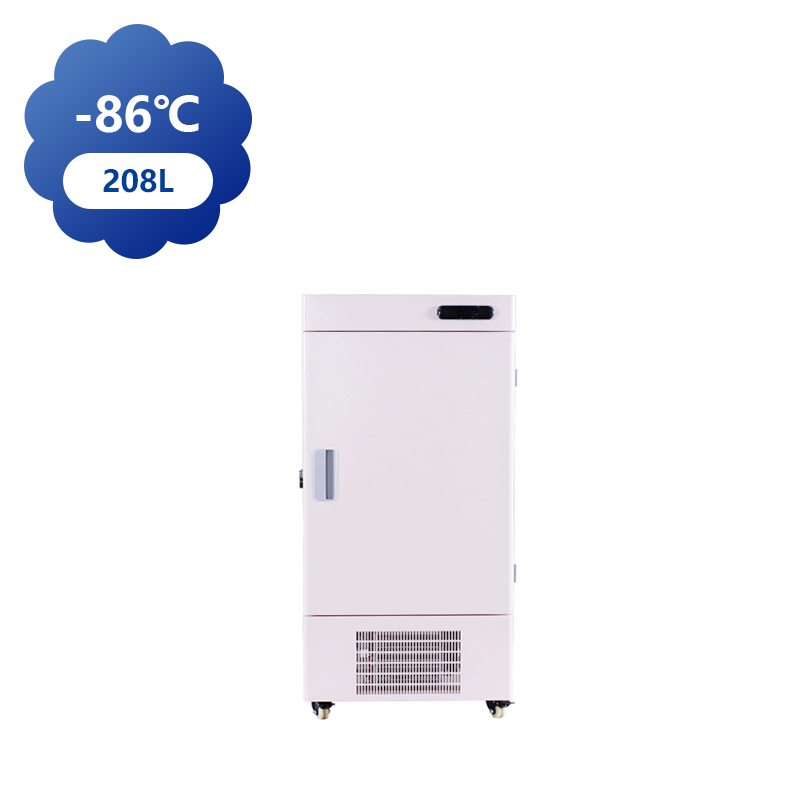
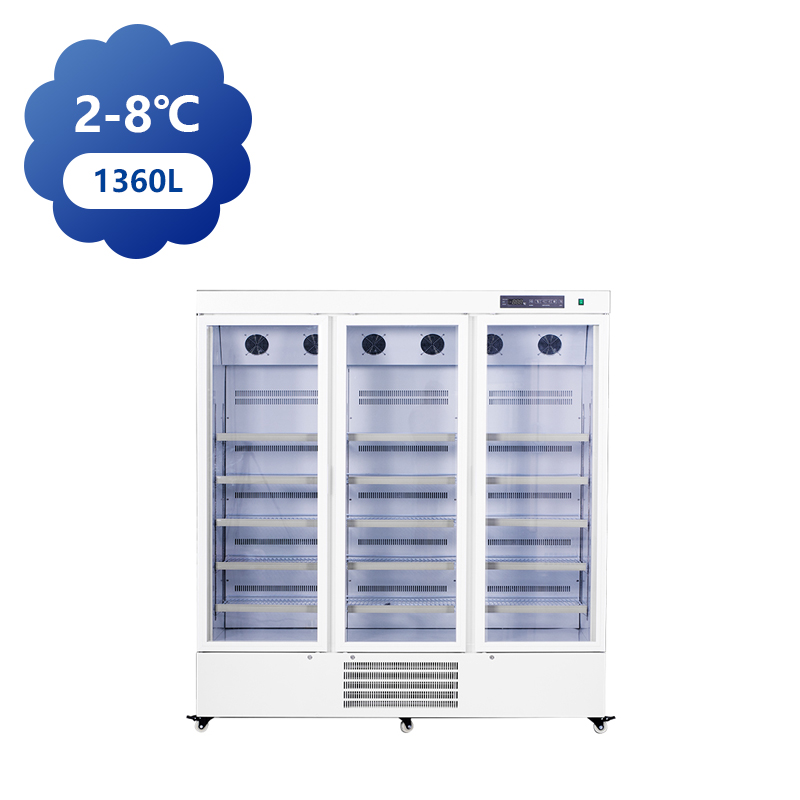
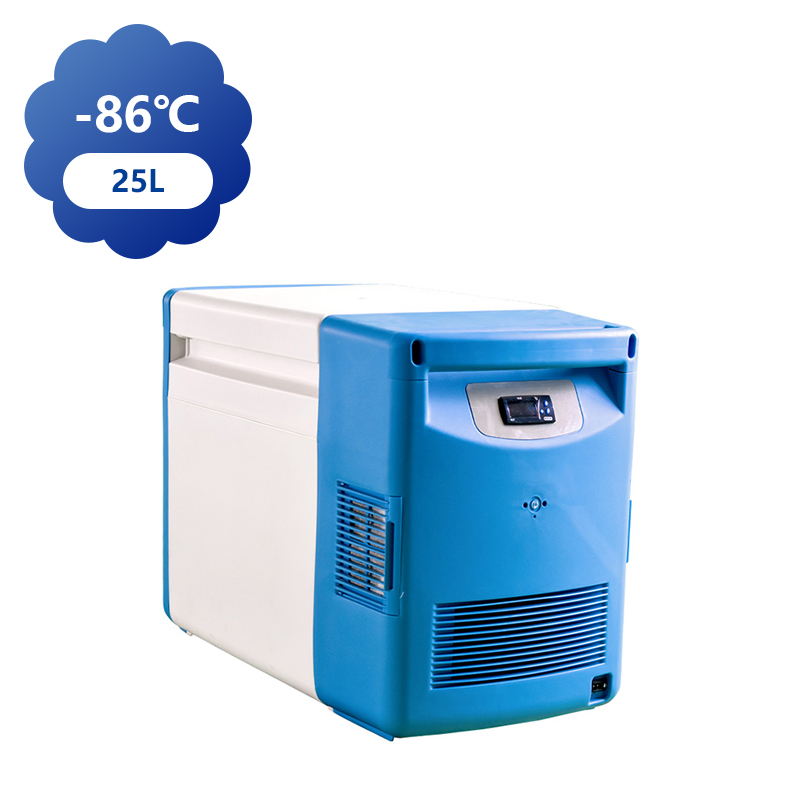
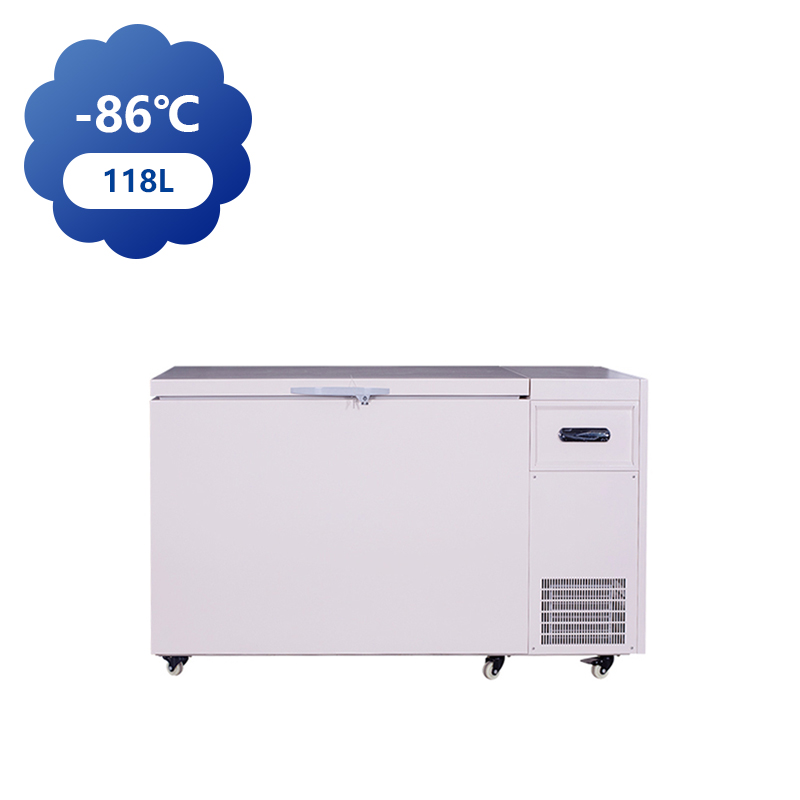
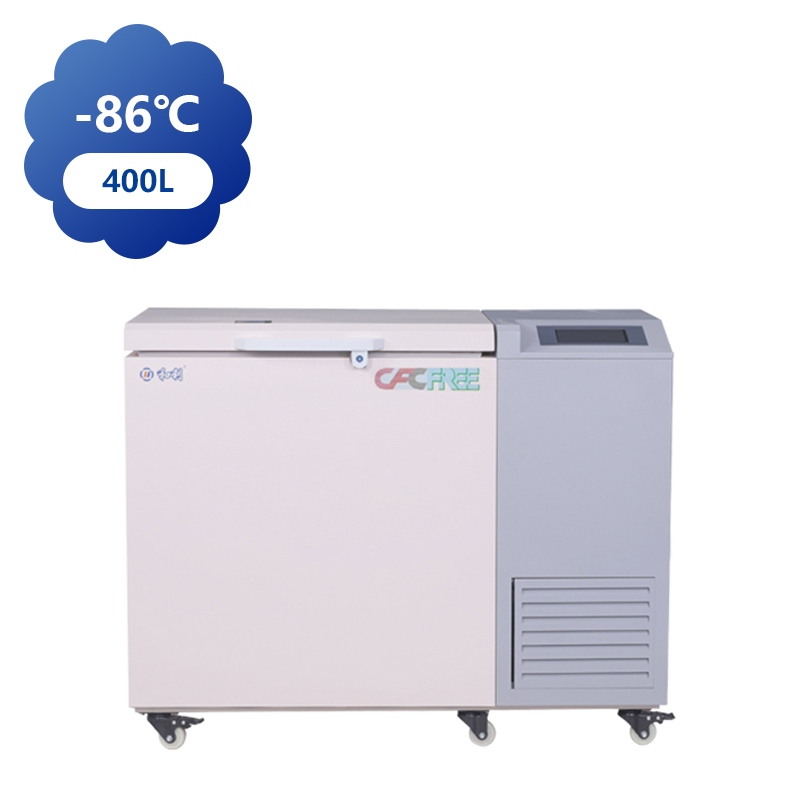



You can contact to me using this form.
Maintaining stable temperatures during an unexpected power outage is a serious concern for anyone relying on ultra-cold storage solutions. When you work with a small laboratory freezer or consider products from ultra low temperature freezer manufacturers, you’re not just buying equipment — you’re protecting years of research, valuable reagents, and irreplaceable biological samples. Many labs have reported situations where power loss jeopardized critical materials, raising questions about reliability and continuity planning.
Why Power Stability Matters for Ultra-Cold Storage
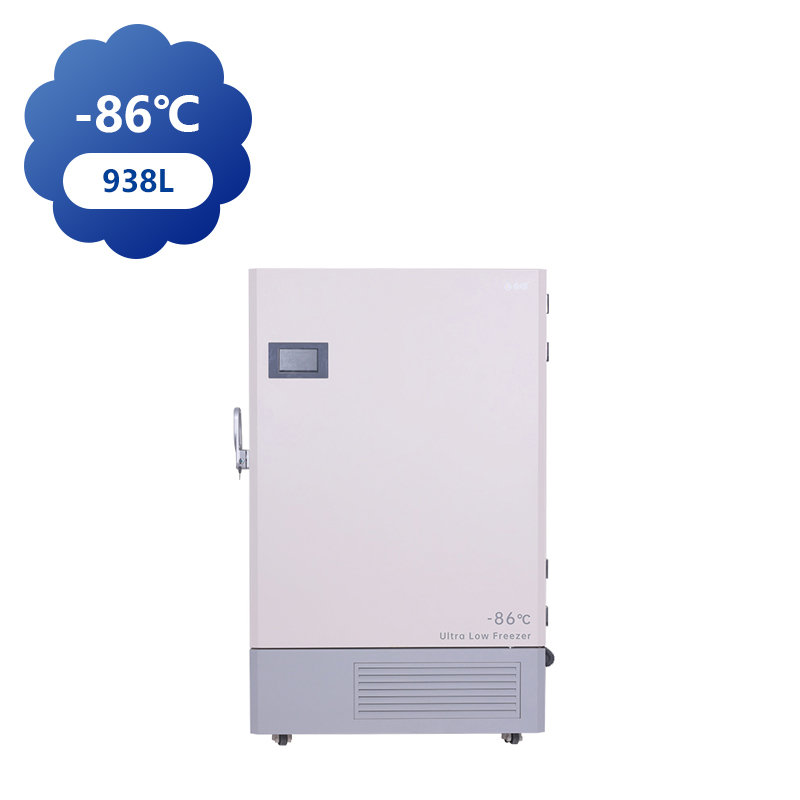
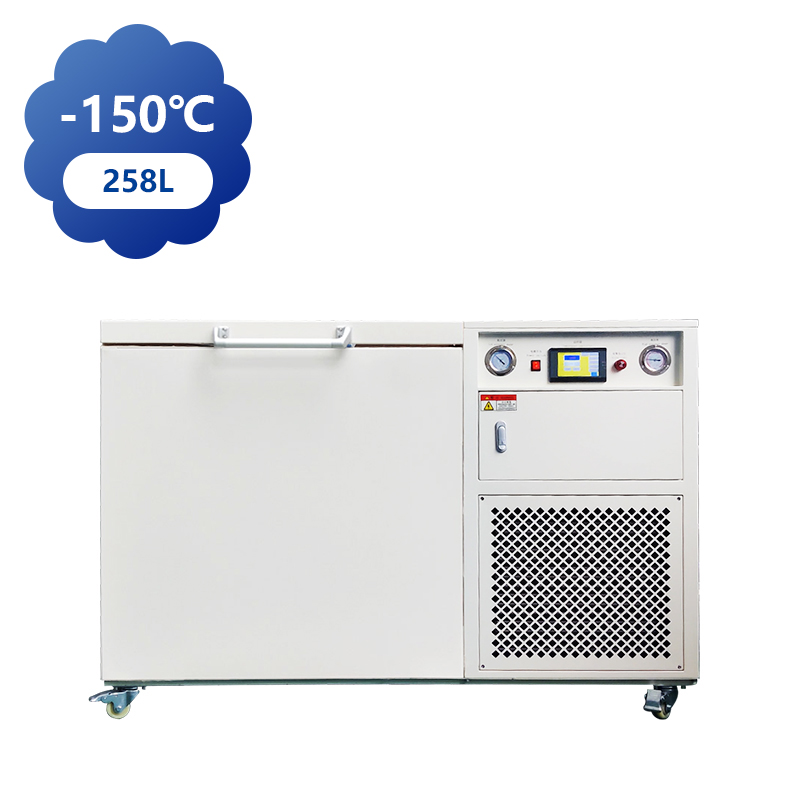
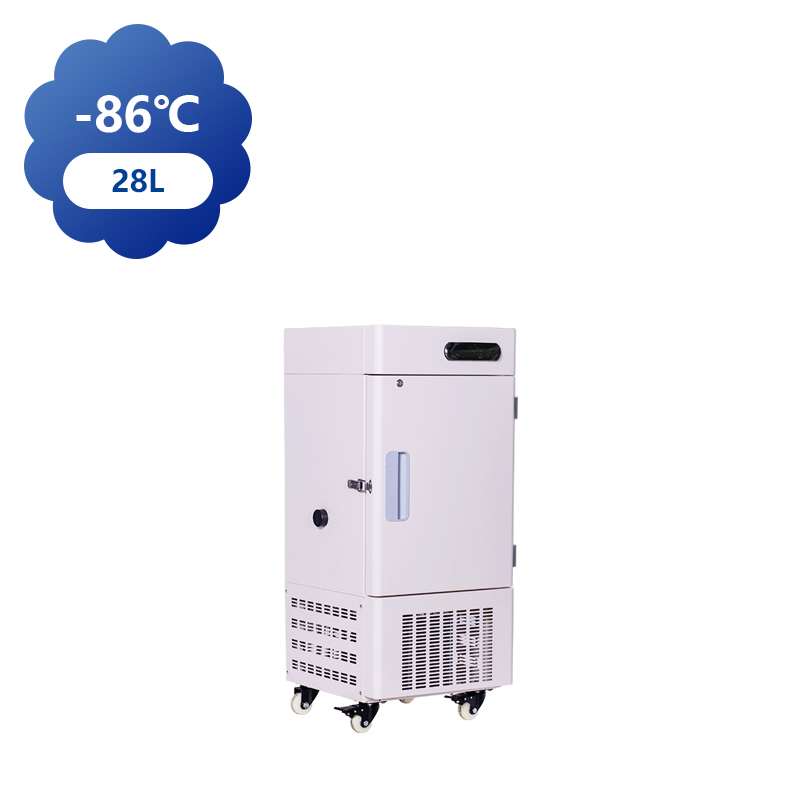
Ultra low temperature freezers are engineered to maintain temperatures as low as -80°C, ensuring long-term preservation of samples like DNA, enzymes, vaccines, and cell cultures. However, these systems depend entirely on continuous electrical power; if utility power is interrupted without backup support, the internal temperature can begin to rise. In such cases, even a small laboratory freezer can struggle to maintain an adequate temperature to protect samples until power is restored. Although many freezers have alarm systems that trigger during temperature excursions or power failures, relying only on this is risky without additional safeguards.
What Happens When Power Goes Out?
When electricity stops flowing, the refrigeration compressor ceases its cooling operation. Without active cooling, freezers begin to lose stored cold energy. A well-insulated ultra-low freezer may retain subzero temperatures for some time, but this passive retention varies widely by model, load, and ambient conditions. In worst-case scenarios, samples could reach temperatures that compromise structural or biological stability in just a few hours without power support.
Some advanced designs use dual independent cooling circuits intended to improve safety; in the event one circuit fails, the other continues to operate and slow temperature rise. These features can offer a margin of protection but are not a substitute for emergency power solutions.
Backup Power Solutions: What Labs Can Do
Laboratory teams frequently ask how to maintain temperature stability even during extended power interruptions. Implementing a backup power strategy is essential in such environments. A few common methods include:
1. Uninterruptible Power Supplies (UPS)
UPS systems provide immediate battery-based backup power the moment main power fails. This can keep compressors and control systems running for short durations — potentially enough to bridge a brief outage or until a generator starts.
2. Standby or Diesel Generators
Longer outages require robust backup power sources like standby generators. These systems can automatically detect loss of utility power and switch on to sustain freezers for many hours or even days, depending on fuel and capacity.
3. Hybrid CO₂ or LN₂ Backup Systems
Certain setups use CO₂ or liquid nitrogen as a supplemental cooling method if the internal temperature begins to rise. These do not supply electrical power but help maintain cold conditions until power returns.
Each solution has strengths and limitations, and choosing the right mix often depends on how critical uninterrupted cooling is, local power grid reliability, and available infrastructure.
Monitoring and Alerts: Early Warnings Help
Temperature monitoring and alert systems play a crucial role in risk management. Alarms can notify lab staff immediately when temperatures begin to drift due to power loss or insulation failure, allowing for rapid response — such as transferring samples to another working freezer or initiating backup systems. Remote monitoring platforms, for example, can send alerts to mobile devices even when laboratory staff are not present.
Proactive monitoring also supports facility emergency planning, enabling teams to quickly assess conditions and avoid loss of precious samples during power outages or equipment malfunctions.
Risk Management and Laboratory Preparedness
Risk planning goes beyond installing backup power; it includes regular maintenance, emergency drills, and having predefined procedures in place. Labs should document priorities for sample rescue and assign responsibility for swift action when alarms occur. Simple practices like clearly labeled content maps and consolidated inventories improve the speed and success of emergency interventions.
Planning also involves understanding how long a small laboratory freezer or large ultra-low unit can hold temperature without active cooling — data that informs backup duration requirements and energy planning for generators or UPS systems.
How Manufacturers Support Stability
Ultra low temperature freezer manufacturers increasingly include features aimed at improving stability under stress. Some designs focus on enhanced insulation, redundant cooling paths, and easier integration with external backup power setups. While no system can fully eliminate the risk of temperature rise during a long outage, these design improvements reduce the speed of warming and give backup systems more time to act.
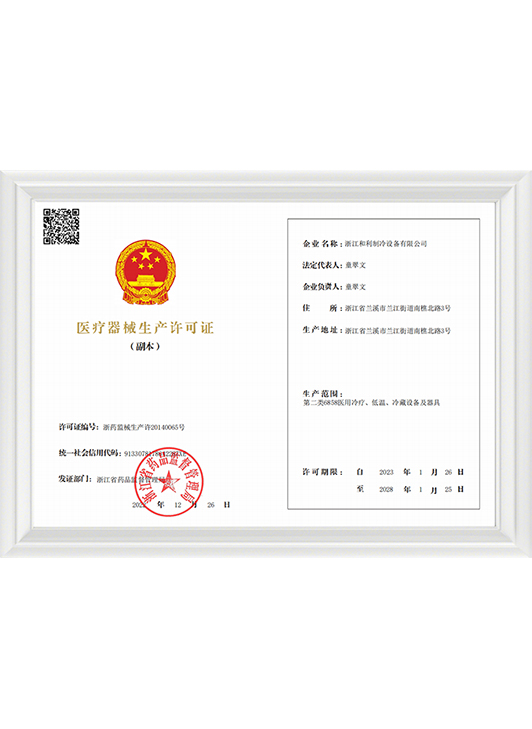
At Zhejiang Heli Refrigeration Equipment Co., Ltd., engineers focus on reliability and continuity features that help laboratories maintain stable storage conditions. Choosing units designed with stability and ease of integration into backup power plans can greatly reduce the potential for sample loss under adverse conditions.
