


 中文简体
中文简体 English
 Français
 عربى
عربى +86-15988502726(wechat)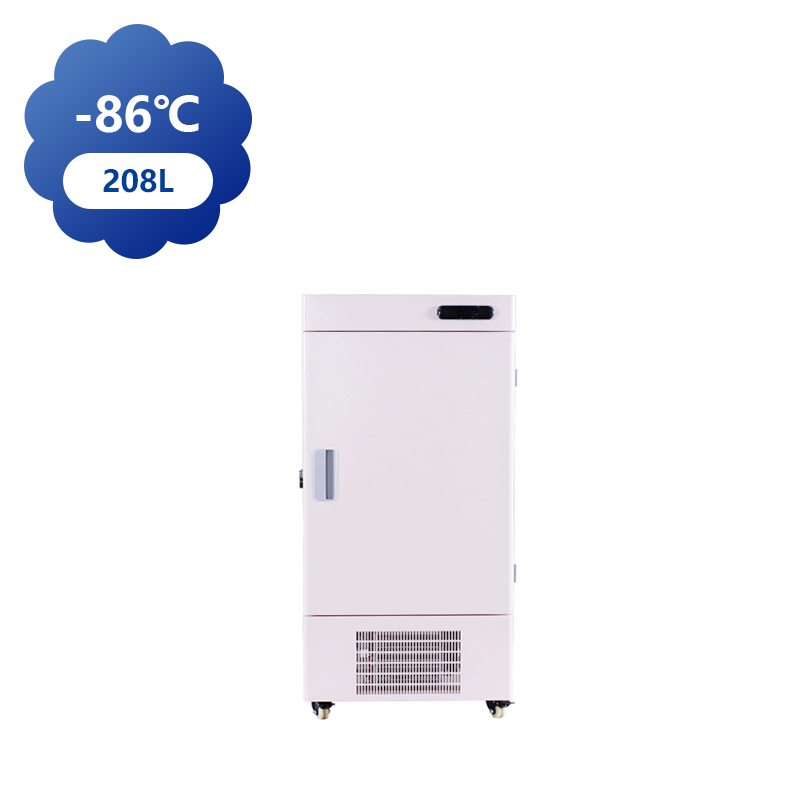




You can contact to me using this form.
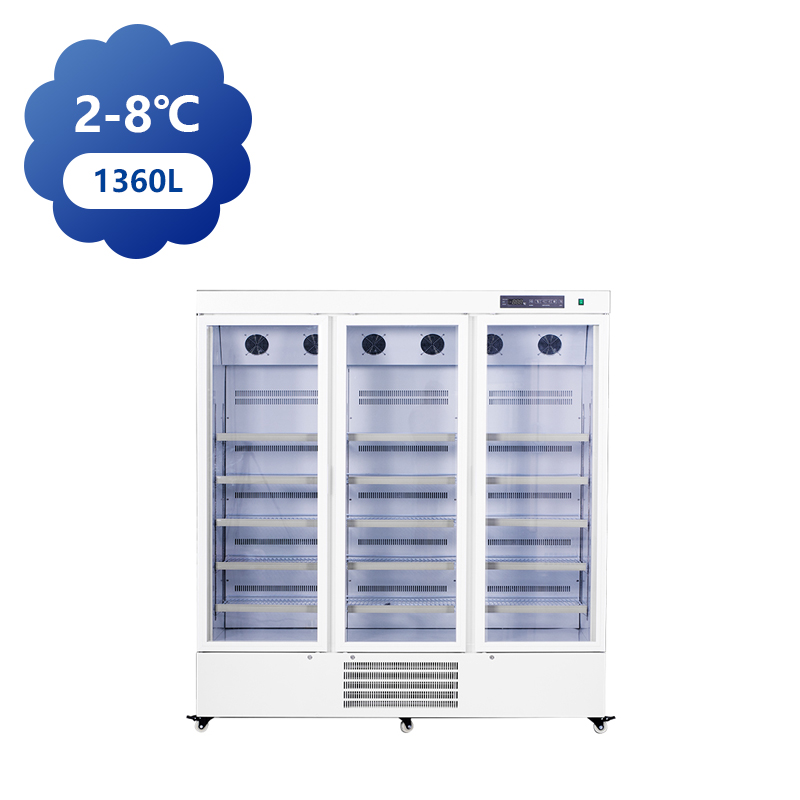
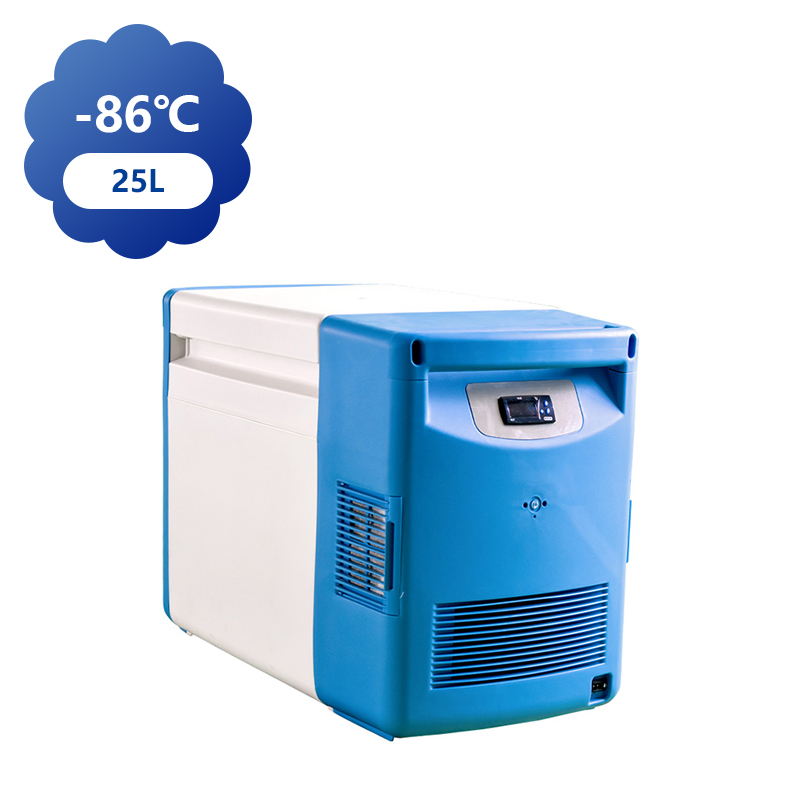
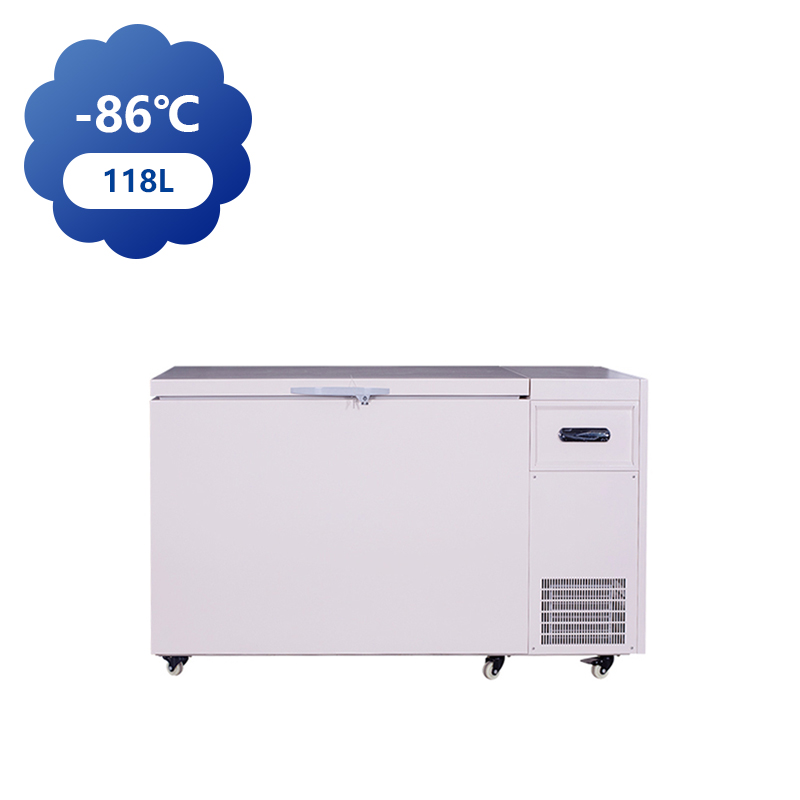
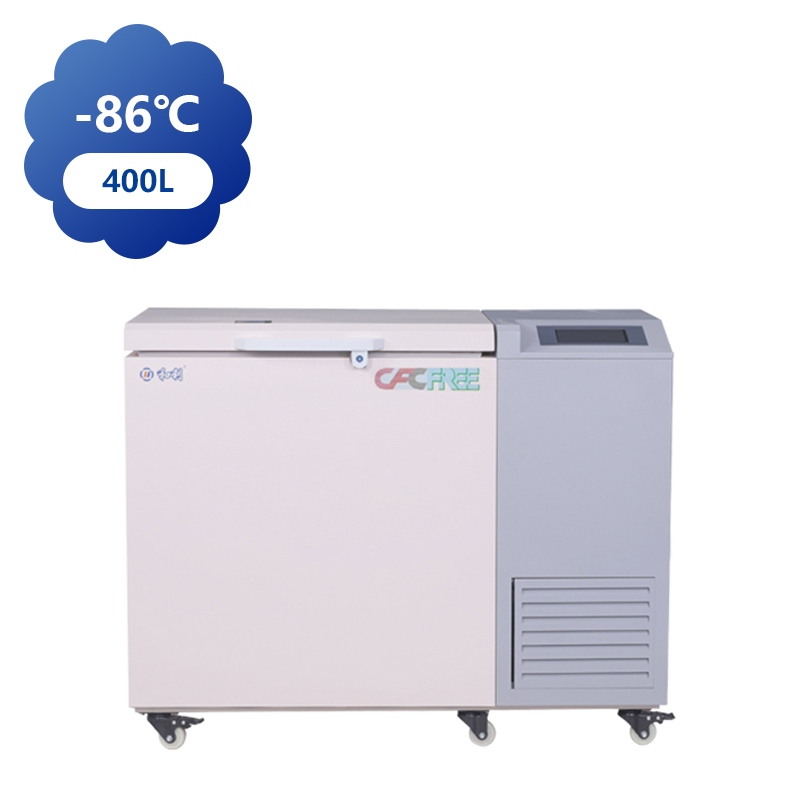
Understanding how much energy an ultra low temperature freezer consumes is important for any laboratory planning its operational costs and sustainability strategy. For researchers evaluating equipment options, knowing the daily electricity draw and long-term energy demands can influence purchasing decisions made with ultra-low temperature freezer manufacturers and help decide whether a small laboratory freezer or a larger upright unit better fits their needs. Users often express concern about annual energy costs and how usage patterns directly affect utility bills and environmental impact.
The High Power Demand of Ultra-Cold Cooling
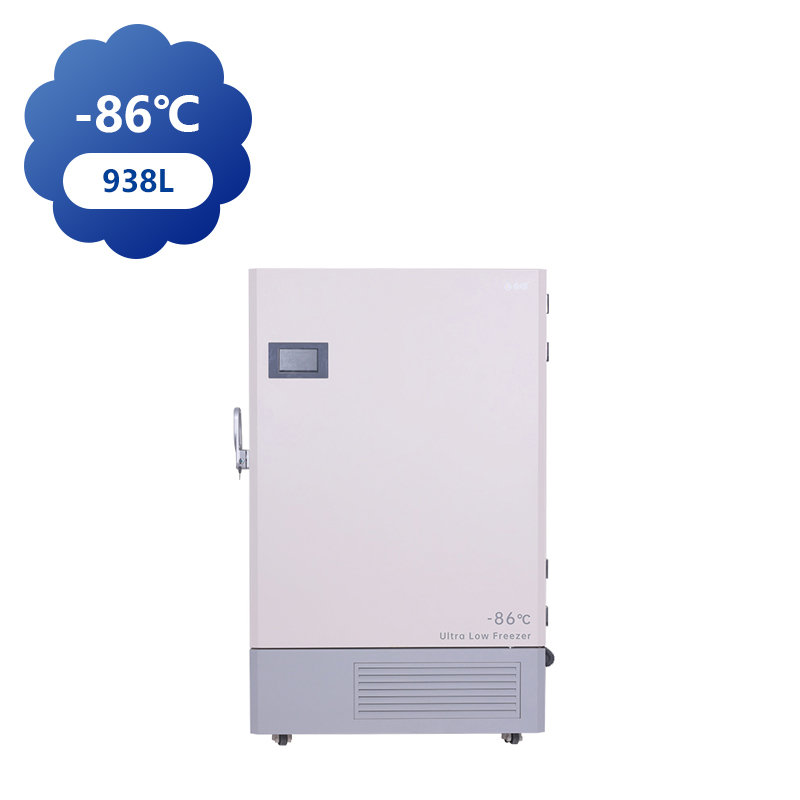
Ultra low temperature freezers are designed to maintain harsh cold — typically around -80°C — to preserve sensitive biological samples, reagents, and other research materials. Because of the very low target temperature, the cooling system works continuously and draws significant electrical power. A typical -80°C freezer can use around 20 kWh of energy per day, roughly comparable to the daily electricity consumption of a small home.
This high usage stems from:
- Continuous compressor operation to maintain ultra-cold conditions.
- Insulation and cooling technology that must counteract heat influx from the room environment.
- Frequent opening and closing of the door, introducing warmer air that requires re-cooling.
For laboratories that operate several freezers, these energy costs quickly mount. Facilities managers and procurement teams are increasingly evaluating how energy usage fits into their larger budgets.
Why Small Laboratory Freezers Still Use Significant Power
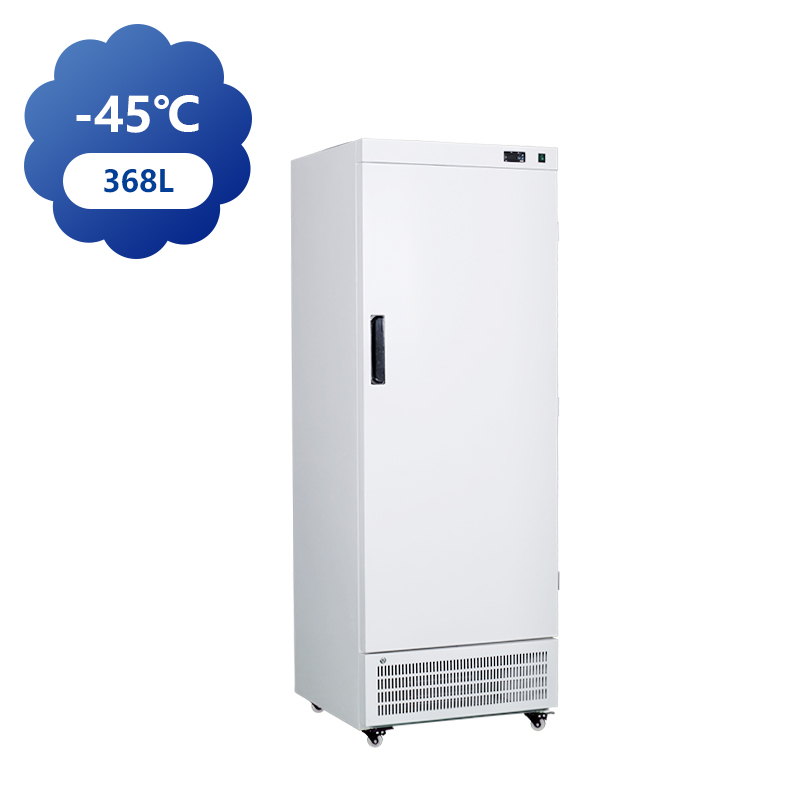
It’s a common misconception that smaller freezers automatically use less energy. While small laboratory freezer units typically have a smaller internal volume, their compressors still need to work hard to maintain deep cooling. Poor insulation, frequent door openings, or positioning near heat sources can further increase daily power draw.
Smart placement and laboratory layout planning help — ensuring plenty of ventilation and less heat load interaction with HVAC systems can reduce energy strain on the unit.
Practical Strategies to Reduce Energy Use
Users often ask how they can manage high energy bills without compromising sample integrity. Several practical approaches can make a measurable difference:
- Temperature Set-Point Adjustment:
Adjusting the set-point from -80°C to -70°C, when scientifically acceptable, can significantly reduce power usage. Studies suggest that this change alone can cut energy consumption by roughly 30-40% without harming the stability of many biological samples.
- Efficient Inventory Management:
Organizing samples so they are easy to retrieve helps minimize the amount of time the freezer door is open. Every extra minute with the door open introduces heat that requires additional cooling cycles.
- Regular Maintenance:
Cleaning condenser filters and ensuring door gaskets remain free of ice buildup helps systems reject heat more efficiently. Accumulated frost or dust forces compressors to run longer, increasing overall energy draw.
- Room Conditions:
Keeping ambient temperature within the ideal range and providing sufficient airflow around the freezer can reduce excess energy used to reject waste heat.
Selecting Energy-Conscious Equipment
When evaluating new equipment, take time to compare models based on energy performance. Many modern freezers now feature improved insulation, advanced compressor controls, and smart monitoring features that help reduce daily power draw. Energy efficiency is becoming a focus for ultra low temperature freezer manufacturers, and laboratories have more options than ever before to balance performance with operating costs.
At Zhejiang Heli Refrigeration Equipment Co., Ltd., engineers are focusing on innovative refrigeration designs that improve thermal control while minimizing electricity demand. Choosing the right freezer model can have long-term effects on the total cost of ownership — a critical factor for institutions operating on fixed research budgets.
Energy Monitoring and Facility Planning
Another important consideration is facility-wide energy monitoring. Integrating power metering into lab operations allows managers to track actual usage, identify peak draw times, and plan for upgrades to electrical systems or HVAC infrastructure that support freezer performance.
Energy tracking also helps institutions plan for future equipment purchases and assess whether modifications to storage practices (like bulk sample consolidation) might yield substantial savings over time.
Understanding how much energy an ultra low temperature freezer uses is more than a technical curiosity — it’s a financial and operational necessity. From small laboratory freezer units to large-scale storage systems, energy usage impacts costs, equipment longevity, and even environmental footprint. By applying thoughtful practices and choosing efficient designs, labs can ensure long-term sustainability without compromising sample integrity.
