


 中文简体
中文简体 English
 Français
 عربى
عربى +86-15988502726(wechat)



You can contact to me using this form.
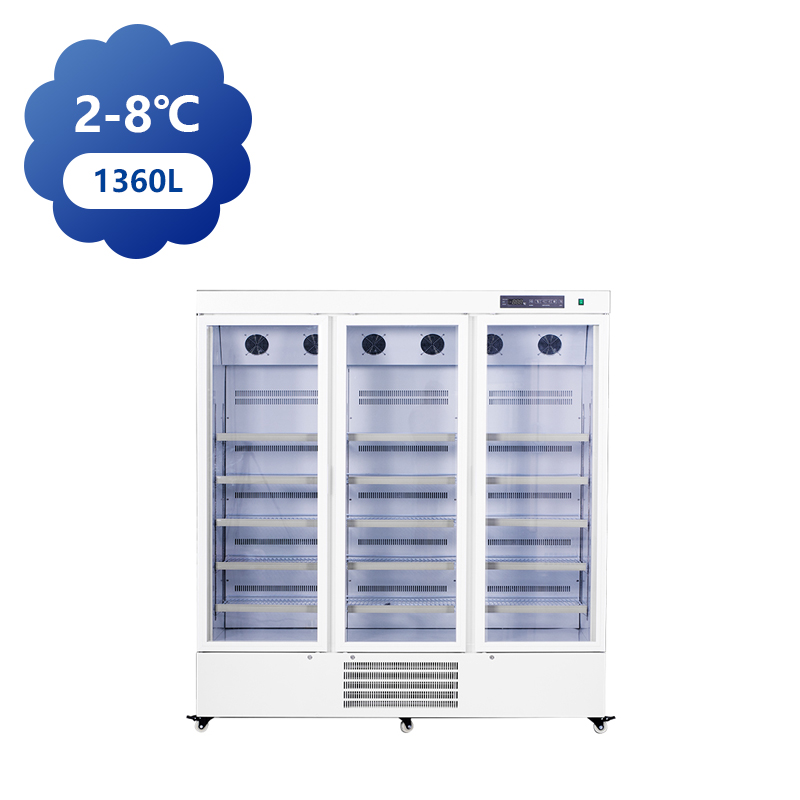
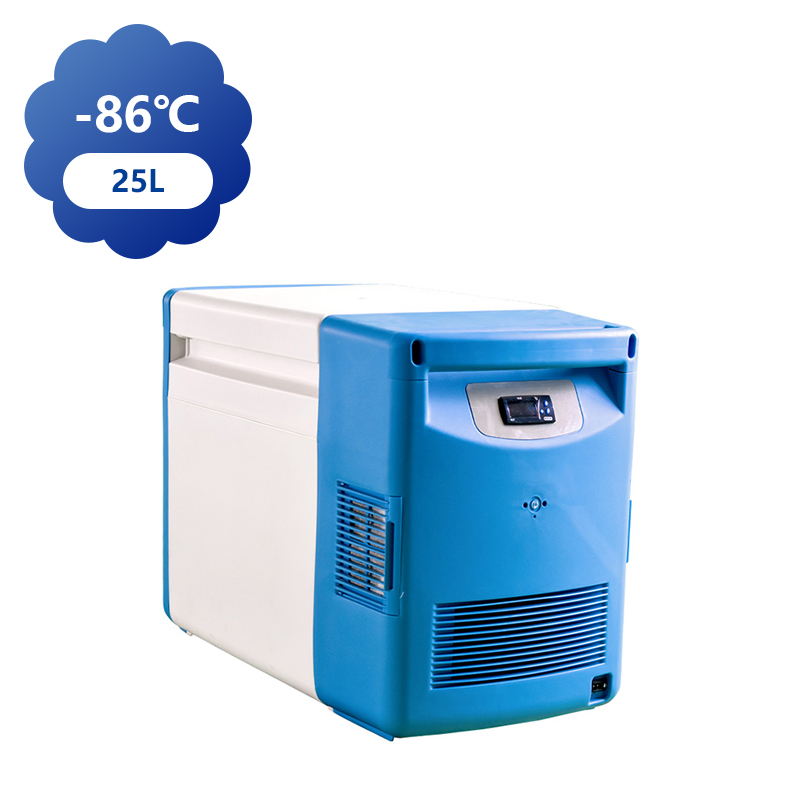
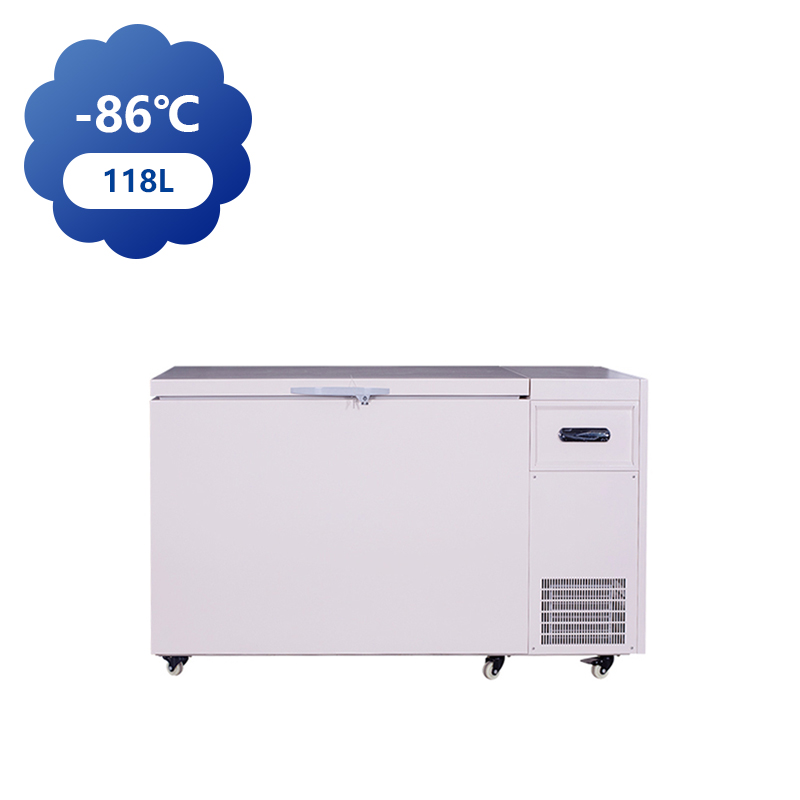
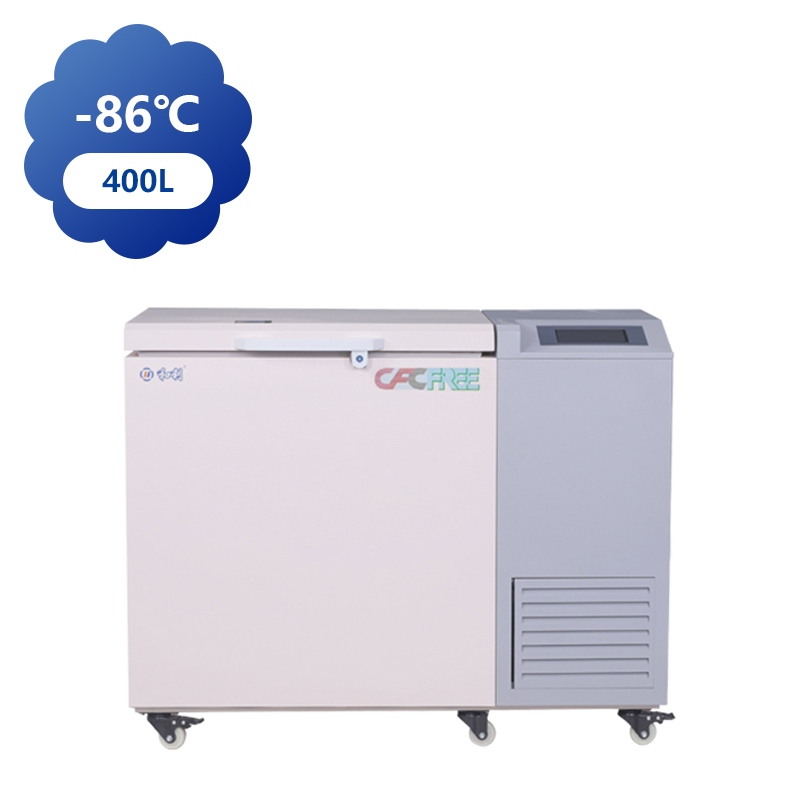
Temperature precision is a concern raised by users on forums, search engines, and healthcare discussion platforms when evaluating a refrigerator for medical use or a medical fridge and freezer. Many professionals want to know how accurate the internal temperatures need to be to safely store vaccines, biologics, and other temperature-sensitive materials. Zhejiang Heli Refrigeration Equipment Co., Ltd. also offers insight into what healthcare facilities should consider from a manufacturer’s perspective.
1. Why Temperature Accuracy Matters in Medical Storage
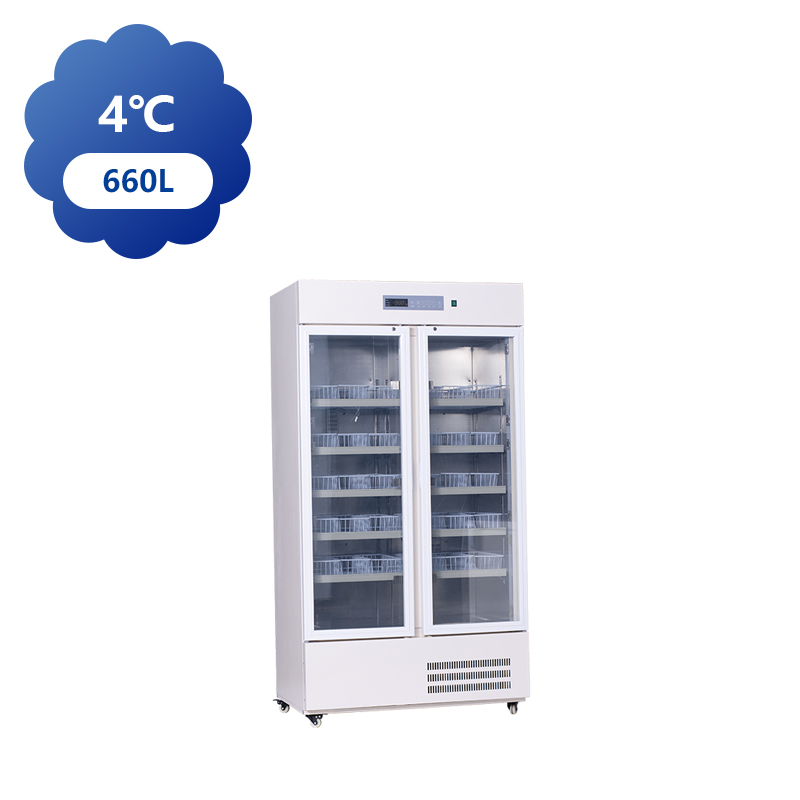
Medical products such as vaccines and certain biologics must be stored within very specific temperature bands to maintain their efficacy and safety. more routine vaccines require storage between 2°C and 8°C (about 36°F to 46°F), which must be maintained consistently throughout the storage cycle. Even minor temperature excursions below 2°C or above 8°C can damage the vaccine’s stability or potency.
In practical terms, this means that a medical fridge and freezer must maintain a narrow temperature range with minimal deviation over time, something that household refrigeration simply cannot do reliably.
2. What Accuracy Is Recommended by Health Authorities
Authoritative health guidance stresses the need for continuous monitoring devices, such as digital data loggers (DDLs), which should have an uncertainty of around ±0.5°C (±1°F) for vaccine storage. This level of precision indicates that when a medical refrigerator is set at the midpoint of the 2°C–8°C range (for example, 5°C), it should ideally fluctuate no more than half a degree above or below that setting.
Accurate measurement isn’t just theoretical: the sensors and probes used in monitoring must closely reflect the actual temperature of the contents, not just the air in the unit. For this reason, many medical refrigerators use buffered temperature probes (e.g., glycol-encased) rather than simple air-temperature thermometers, because they track vial temperatures more precisely.
3. How Medical Fridge Technology Maintains Tight Control
A medical fridge and freezer differs from typical household appliances through technology designed to:
Actively circulate air to reduce internal temperature gradients
Use microprocessor-controlled sensors for real-time feedback and adjustment
Include highly responsive compressor systems and fans to counter temperature drift
These design features help medical units respond quickly to small changes, such as those caused by opening the door or adding new stock, which could otherwise push temperatures outside safe ranges in slower-responding systems.
Furthermore, modern medical units may incorporate alarm systems and data logging, so facilities are alerted instantly if temperatures stray from the desired range. This monitoring is crucial in cold chain management and supports documentation for regulatory compliance as well.
4. How Much Does Fluctuation Impact Stored Products?
Temperature excursions—periods when the internal temperature leaves the desired range—pose a real risk. Research on cold chain management shows that biologics such as vaccines can experience degradation if stored outside the accepted range, even for short periods. In fact, some products may suffer irreversible loss of potency when temperatures drop too low (freeze) or rise too high for extended durations.
Maintaining strict temperature accuracy helps prevent unnecessary losses, protects patient outcomes, and reduces waste—an important operational consideration for hospitals, community clinics, pharmacies, and research labs alike.
5. Practices for Temperature Monitoring
To achieve and maintain the required accuracy in a refrigerator for medical use, facilities should consider:
Installing digital data loggers (DDLs) with frequent recording intervals (e.g., every 30 minutes or less) and calibration certificates to ensure trustworthiness.
Placing sensors centrally within storage zones to ideal approximate actual product temperatures rather than air ambient.
Using units that alert staff immediately to out-of-range conditions so corrective actions can be taken swiftly.
Running performance validation for several days before storing valuable supplies to confirm stability.
Additionally, some facilities combine continuous logging with twice-daily manual checks to maximize awareness of any temperature drift, enhancing safety and traceability.
