


 中文简体
中文简体 English
 Français
 عربى
عربى +86-15988502726(wechat)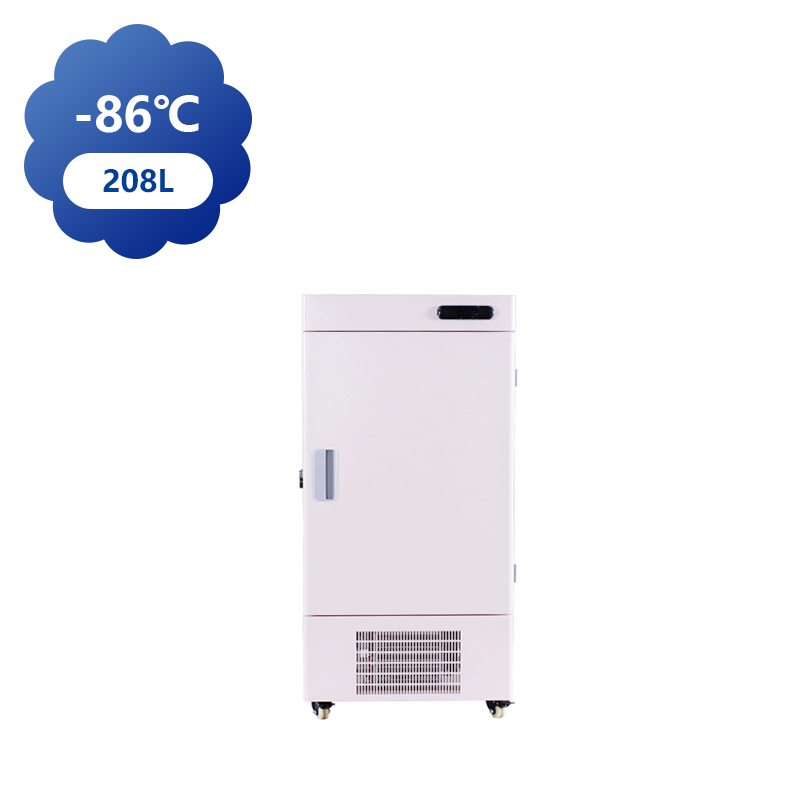

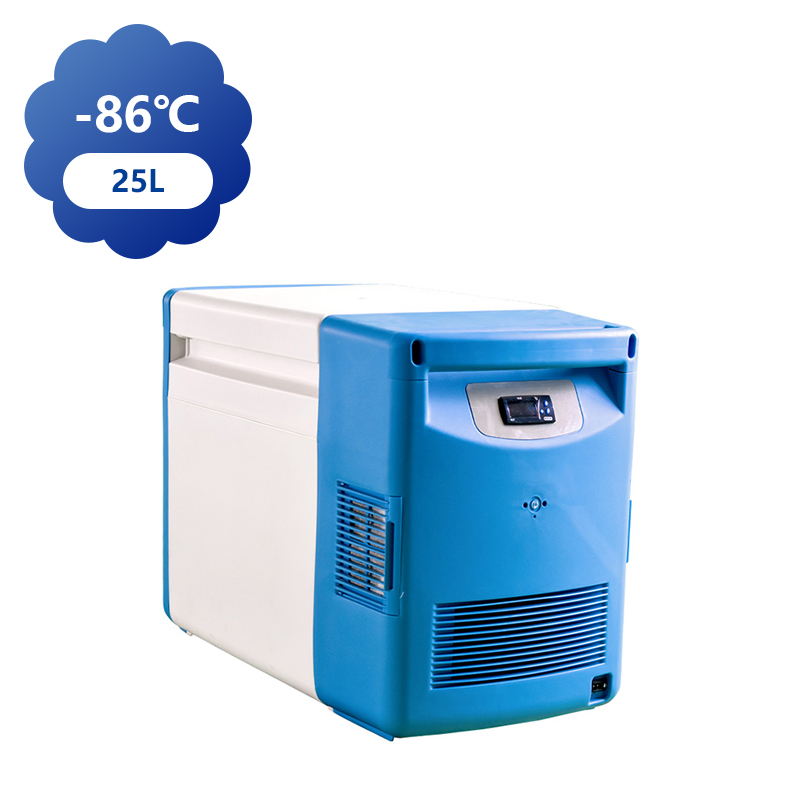
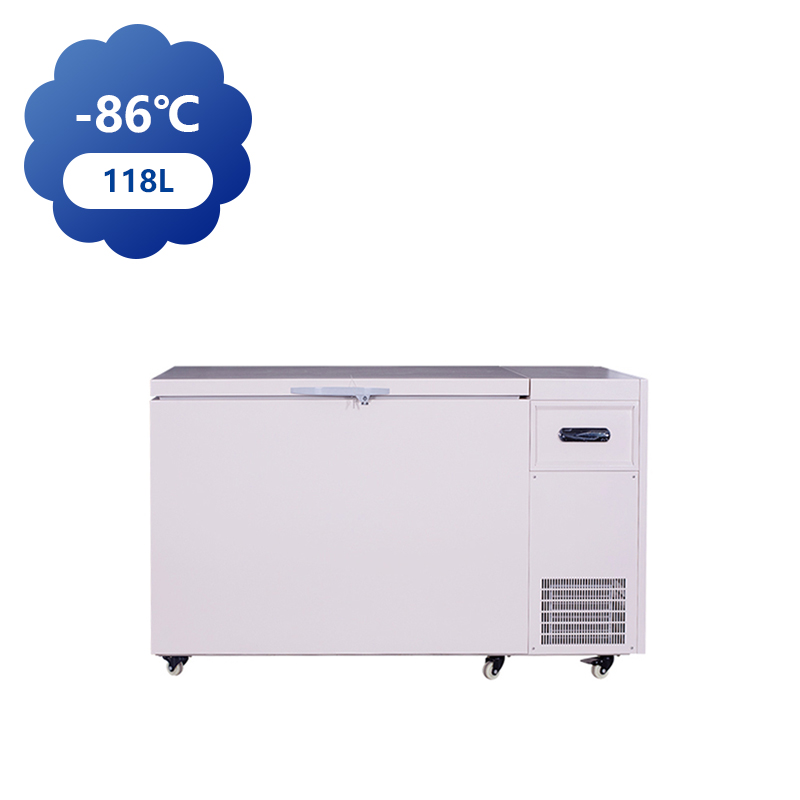

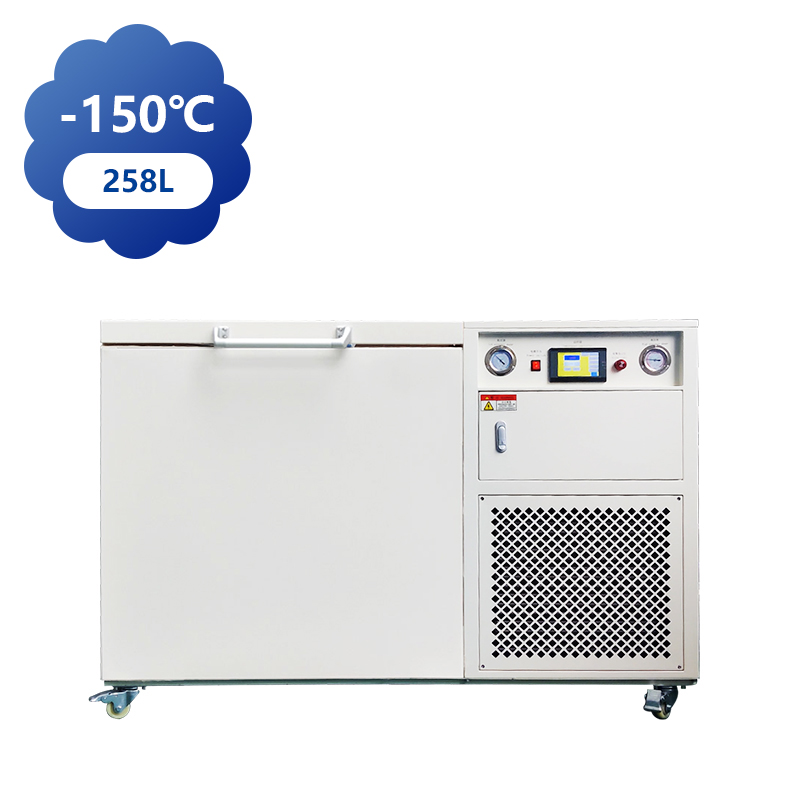
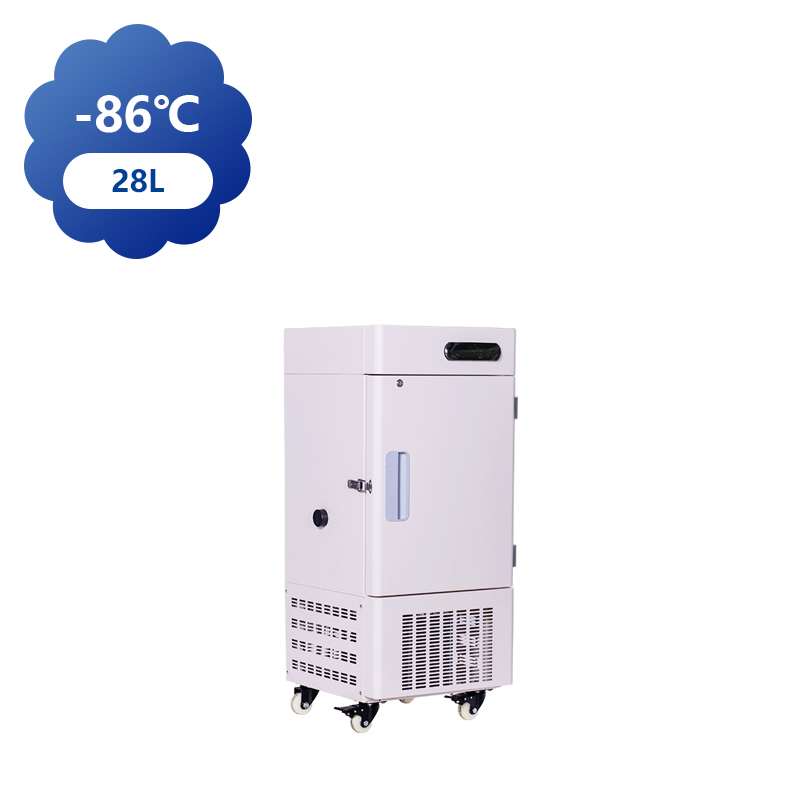




You can contact to me using this form.
Cold storage safety for vaccines and other biologics is a topic frequently debated on search engines, social media forums, and specialist platforms. A key question many medical professionals ask is why household refrigerators aren’t suitable for critical medical applications, and what differences exist with a proper refrigerator for medical use such as a medical fridge or freezer. Here we explore this concern from multiple angles, including practical cold chain requirements, technical limitations of domestic appliances, and considerations for healthcare facilities. Zhejiang Heli Refrigeration Equipment Co., Ltd. contributes its industry understanding to help clarify these points.
1. What Defines a Refrigeration Unit Suitable for Medical Use?
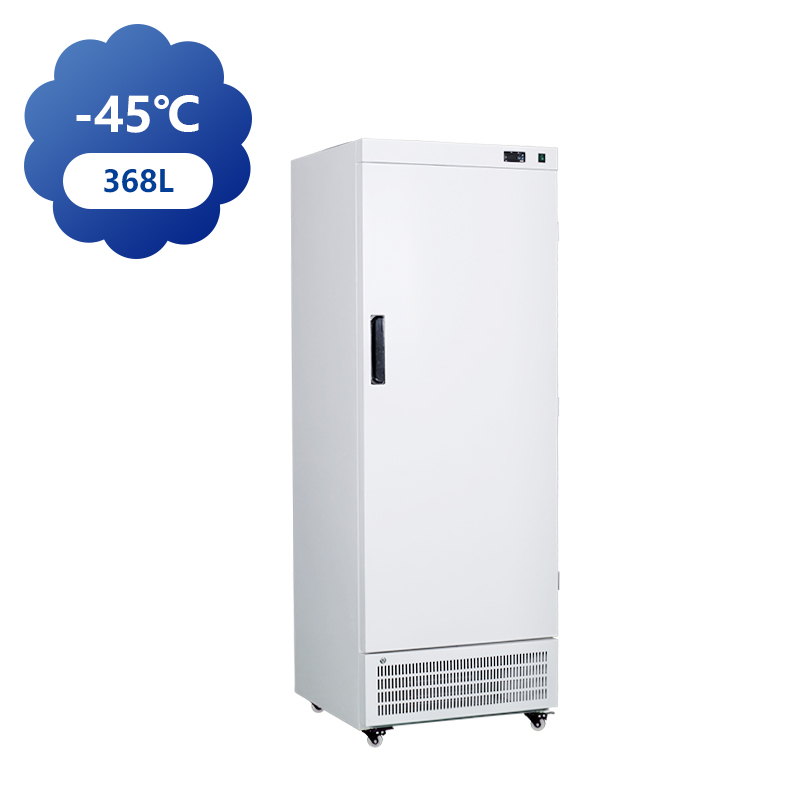
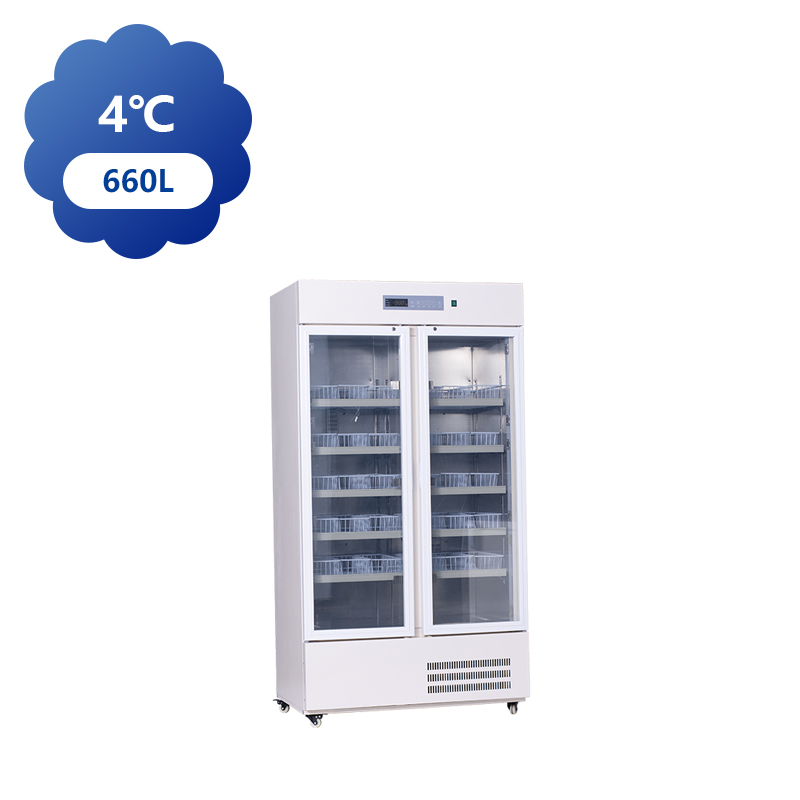
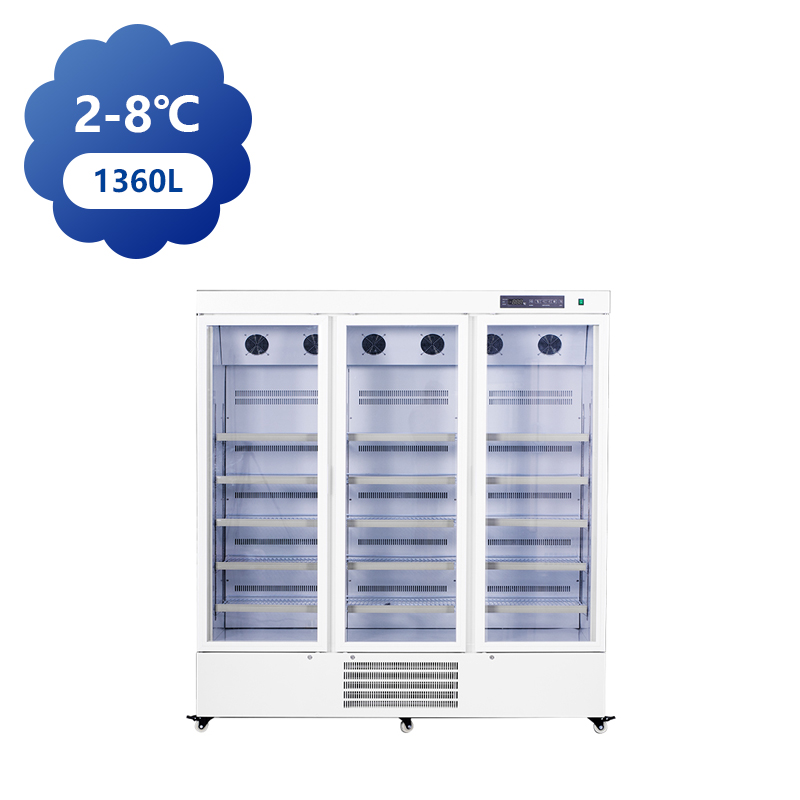
A refrigerator for medical use, medical fridge, and freezer refer to cold storage equipment purpose-built to protect temperature-sensitive vaccines, pharmaceutical products, reagents, and samples. Unlike a typical home kitchen fridge, these units are engineered with tight temperature regulation systems and enhanced airflow to maintain narrow temperature bands, more often between 2°C and 8°C for vaccines and many biologics.
Household refrigerators are generally built for food and beverage storage, with analogue thermostatic controls. Their temperature can fluctuate widely due to defrost cycles, door openings, and uneven air circulation, resulting in cold spots and hot spots within the compartment—conditions that make them unsuitable for high-value medical storage.
2. Temperature Stability: More Than Just a Number
A core difference lies in how these devices manage interior climate:
- Medical refrigerators and freezers use microprocessor–based controllers and often use glycol-encased probes or digital sensors to keep temperature within precise limits throughout the entire storage volume.
- Household fridges, with simple thermostat systems, can fluctuate by large margins (several degrees), which can reduce vaccine potency or even render some biologics unusable.
In settings such as vaccination clinics, pharmacies, and labs, this accuracy isn’t just technical detail—it’s critical to preserving product efficacy and protecting patient outcomes.
3. Air Circulation and Uniform Cooling
Medical-grade units often feature forced-air circulation strategies to eliminate uneven temperature zones and ensure all stored items are exposed to the same conditions. Without this, certain areas can unintentionally become warmer or colder, threatening product stability.
Moreover, many medical fridges also lack traditional door shelving like a household unit does, which helps keep the more stable temperature at points where vaccines and samples are stored.
4. Monitoring, Alerts, and Compliance
Healthcare refrigeration must not only hold temperature but also monitor and alert about variations. Medical fridges and freezers typically:
- Include temperature data loggers and continuous monitoring devices.
- Offer audible alerts if temperatures drift outside safe ranges.
In contrast, standard household units may only signal a door left open or be completely silent in case of internal temperature excursions. For facilities that must meet regulatory standards or quality assurance protocols, including Good Storage Practices (GSP) or CDC guidelines, this capability is essential.
5. Practical Impacts of Using the Wrong Unit
The CDC and related health authorities explicitly discourage storing vaccines or critical medical materials in dorm-style or combination refrigerator-freezer appliances due to the risk of temperature instability and improper cold chain maintenance.
These concerns can have real business and clinical consequences, such as:
- Vaccine spoilage and financial loss
- Compromised patient safety or treatment efficacy
- Regulatory non-compliance penalties
This underscores why investing in a medical fridge and freezer tailored to healthcare environments, such as those designed and manufactured by Zhejiang Heli Refrigeration Equipment Co., Ltd., can make a material difference for clinics, labs, and hospitals.
6. When a Household Fridge Might Be Used (with Caution)
While specialised medical refrigeration is the ideal choice for more vaccine and pharmaceutical storage scenarios, some guidelines note that in very limited cases a stand-alone household refrigerator (without a freezer compartment) may be used temporarily and with strict monitoring—but only when temperature stability requirements are met, and regulatory guidelines allow this option.
However, the consensus from clinical and public health authorities is clear: purpose-built medical refrigeration units are Ideal in maintaining cold chain integrity for medical products.
