


 中文简体
 English
 Français
 عربى
 +86-15988502726(wechat)






You can contact to me using this form.
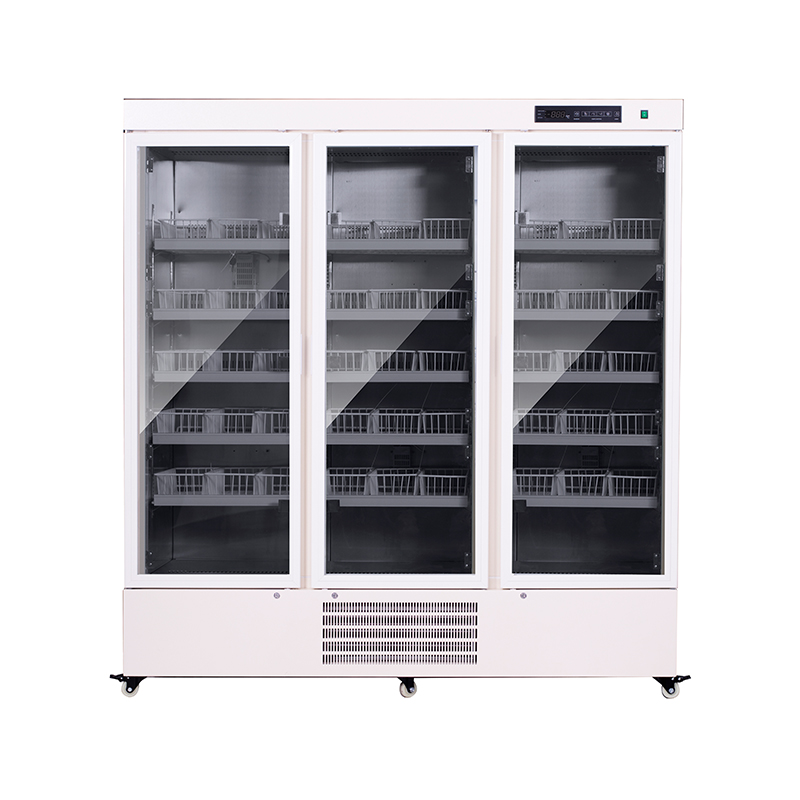
Managing stored blood products requires more than maintaining the specified temperature. Staff also need to identify inventory, retrieve the correct containers, review storage records, and return materials to appropriate locations without creating unnecessary delays. A poorly arranged refrigerator can make routine handling difficult, even when its cooling system performs as intended. For healthcare procurement teams and medical equipment distributors, choosing a Blood Bank Refrigerator with a practical internal layout and suitable monitoring functions can help support organized storage and daily workflow.
Organize the Interior Around Inventory Needs
Different facilities may handle different inventory volumes and container formats. A refrigerator designed for one storage arrangement may not be equally convenient when the number of stored items increases or inventory categories change.
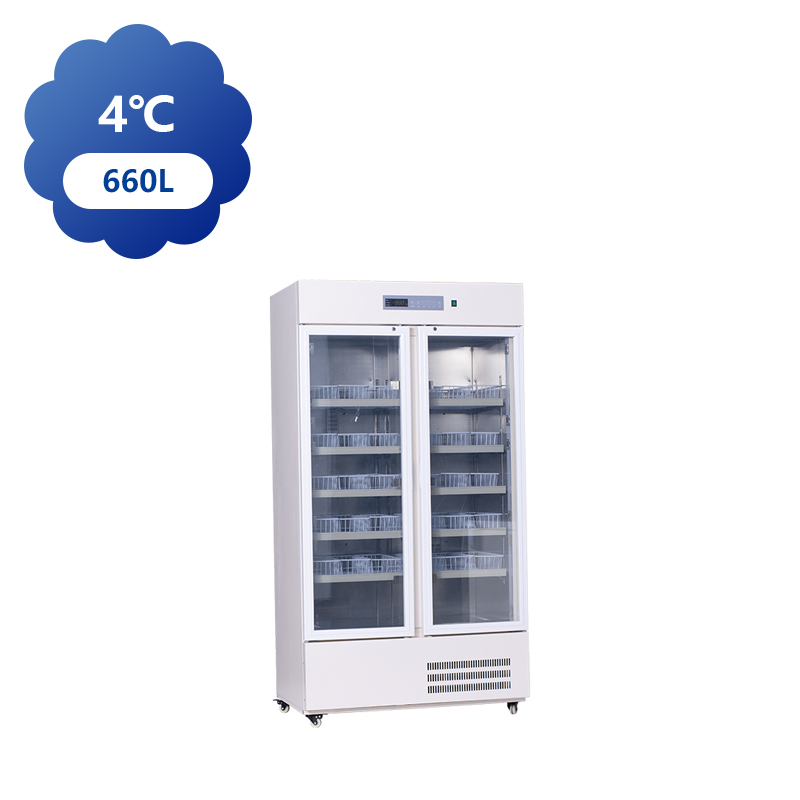
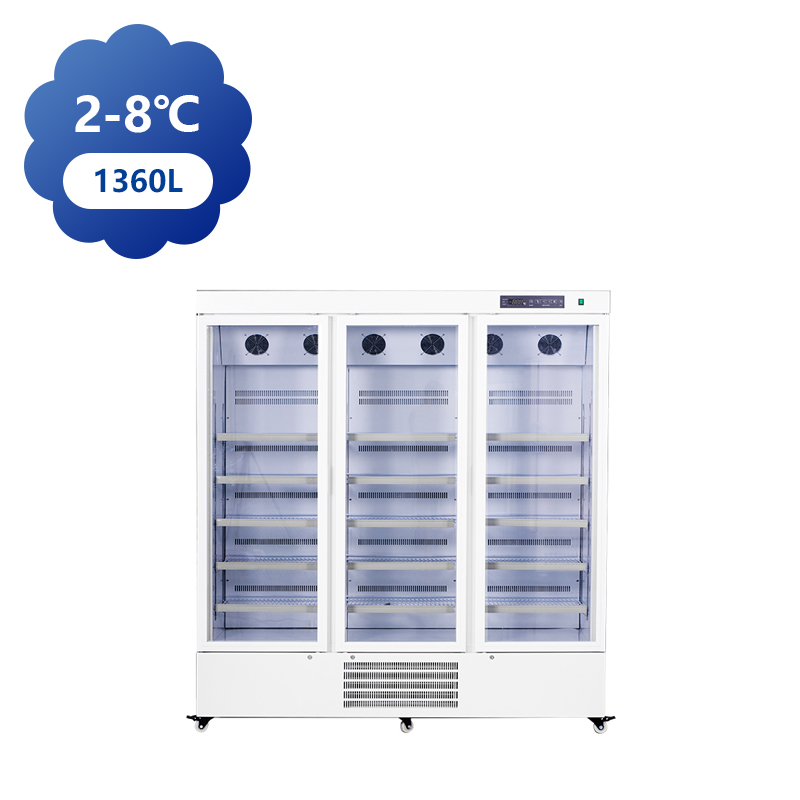
Manufacturers should consider shelf spacing, drawer configuration, usable chamber dimensions, and access to frequently retrieved materials. Adjustable or configurable storage arrangements may offer flexibility, provided that the recommended airflow clearances are maintained.
Buyers should assess the internal layout using their expected container sizes and inventory practices. Looking beyond the total chamber volume helps determine whether the available space can support practical organization without overcrowding.
Make Identification Easier During Retrieval
Clear identification helps staff locate stored items and reduces unnecessary searching with the door open. However, labels and containers should be arranged in a way that does not interfere with circulation or obstruct access to other inventory.
A Blood Bank Refrigerator should provide an internal structure that supports orderly placement and straightforward retrieval. Depending on the model, shelves, drawers, or storage compartments may help users separate inventory according to their facility's procedures.
Manufacturers can improve usability by considering visibility, shelf access, and the placement of internal components during product development. The final arrangement should be evaluated alongside the storage containers and identification methods used by the facility.
Treat Temperature Records as Part of Storage Management
Temperature monitoring records can help staff review operating conditions and investigate unexpected changes. When records are difficult to access or interpret, identifying the timing and possible cause of an event may become more complicated.
Buyers should check whether the selected model provides continuous monitoring, historical data access, data export, or connections to external monitoring equipment. These functions vary between models, so procurement teams should confirm the available capabilities before ordering.
Manufacturers should explain how readings are recorded, how historical information can be retrieved, and what limitations apply to data retention. Clear documentation helps facilities determine whether the equipment supports their recordkeeping procedures.
Balance Storage Capacity With Air Circulation
Using every available space inside a refrigerator may seem efficient, but excessive loading can obstruct airflow and affect temperature distribution. Containers placed too closely together may also make retrieval and inventory checks more difficult.
The usable capacity should therefore be considered alongside the recommended loading arrangement. Buyers should review how shelves are positioned and whether the internal design accommodates expected inventory without blocking designated air passages.
Manufacturers should evaluate temperature distribution under defined loading conditions and provide instructions for appropriate storage arrangement. This gives users a clearer understanding of how to use the available space while maintaining the intended operating conditions.
Consider Access Frequency and Staff Workflow
Some facilities retrieve stored items occasionally, while others require frequent access throughout the working day. The internal layout should reflect these differences.
Frequently accessed inventory should be straightforward to locate, while less frequently retrieved materials should remain organized without obstructing routine handling. Door design, handle placement, and shelf accessibility can all influence how conveniently staff work with the equipment.
Procurement teams should consider the expected workflow when comparing refrigerator models. A configuration that suits the actual pattern of use may be more practical than choosing a unit based on capacity alone.
Review Features Before Confirming an Order
A structured product review helps buyers connect equipment specifications with operational requirements. Before purchasing, they can evaluate:
- Usable storage dimensions and shelf configuration
- Compatibility with the intended container formats
- Temperature display and recording functions
- Alarm capabilities and configuration options
- Access for cleaning and routine maintenance
- Availability of operating instructions and technical documentation
These checks help identify differences between models and clarify which functions are essential for the intended facility.
Select a Design That Supports Daily Management
A suitable Blood Bank Refrigerator should combine dependable temperature control with an interior arrangement that supports identification, retrieval, monitoring, and maintenance. For overseas healthcare buyers and medical equipment distributors, discussing inventory formats, access frequency, recordkeeping needs, and storage capacity with the manufacturer can help determine the appropriate configuration. When these practical requirements are considered during product selection, the refrigerator can better support organized storage and the facility's established handling procedures.
