


 中文简体
 English
 Français
 عربى
 +86-15988502726(wechat)




You can contact to me using this form.
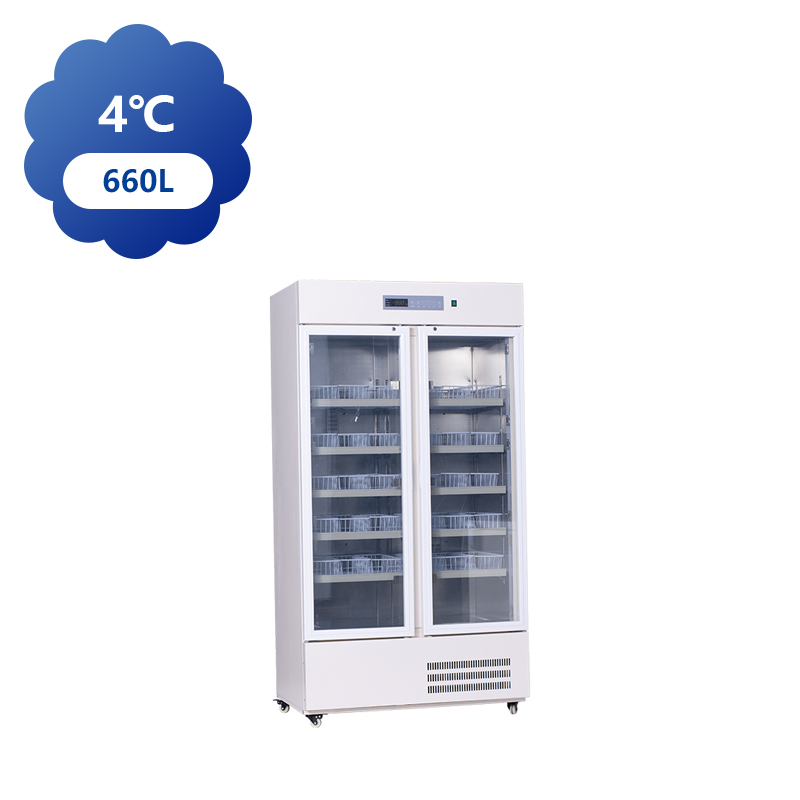
In blood storage environments, refrigerator doors may be opened repeatedly as staff retrieve inventory, organize containers, or complete routine checks. Each opening can introduce warmer air into the storage chamber and influence its internal temperature. For healthcare facilities and medical equipment buyers, the performance of a Blood Bank Refrigerator should therefore be assessed not only by its ability to maintain a target temperature under steady conditions, but also by how it responds to normal operating disturbances. Understanding temperature recovery helps buyers evaluate equipment design and establish more appropriate storage procedures.

Understand What Happens When the Door Opens
When a refrigerator door opens, the exchange between cold chamber air and warmer surrounding air can create temporary temperature changes. The extent of the change depends on factors such as opening duration, room conditions, chamber design, and the amount of stored material.
Frequent or prolonged door opening may make temperature control more challenging, particularly when staff need to access inventory throughout the day. A suitable refrigerator should be designed for its intended storage application, with door construction, insulation, and refrigeration capacity considered together.
Manufacturers need to evaluate these elements as part of the overall thermal design rather than treating cooling capacity as an isolated specification.
Look Beyond the Set Temperature
The set temperature indicates the intended control target, but it does not fully describe how the refrigerator behaves during operation. Buyers should also consider temperature distribution, control stability, and recovery after normal disturbances.
A Blood Bank Refrigerator should be assessed using documented performance criteria appropriate to its intended use. Manufacturers can evaluate temperature changes under defined test conditions and use the findings to improve refrigeration control and internal airflow.
When reviewing specifications, procurement teams should distinguish between the target temperature, the permitted operating range, and the results of temperature performance testing. These details provide a more complete basis for comparing equipment.
Airflow Design Influences Temperature Distribution
Cold air needs to circulate appropriately throughout the storage chamber. Poorly arranged shelves, blocked air outlets, or excessive loading can interfere with circulation and contribute to differences between measurement locations.
The internal layout should allow stored materials to be organized without unnecessarily obstructing airflow. Manufacturers should consider the position of fans, air passages, shelves, and temperature sensors during product development.
For buyers, reviewing the chamber layout is useful when the refrigerator will hold containers of different sizes. A practical design should support accessible inventory arrangement while preserving the airflow conditions specified for normal operation.
Sensor Placement Affects Temperature Feedback
Temperature sensors provide information used by the control system to monitor chamber conditions. Their location influences which part of the environment is measured, so sensor placement should reflect the refrigerator's design and intended monitoring approach.
Manufacturers should evaluate sensor positioning alongside airflow and temperature distribution during testing. Monitoring points should be documented clearly so users understand what the displayed reading represents.
Buyers should also confirm whether the equipment supports independent temperature recording or external monitoring when these functions are required. The selected monitoring arrangement should align with the facility's storage procedures and recordkeeping needs.
Daily Handling Can Reduce Unnecessary Fluctuations
Equipment design is only one part of temperature management. Staff practices can also influence how frequently and how long the door remains open.
Facilities can review their inventory workflow to reduce unnecessary access and make routine retrieval more organized. Useful practices include:
- Planning inventory retrieval before opening the door
- Returning containers promptly after handling
- Avoiding unnecessary rearrangement during routine access
- Keeping shelves organized without blocking designated airflow paths
- Responding to temperature alarms according to established procedures
These measures do not replace equipment performance requirements, but they can help users maintain more consistent operating conditions.
Evaluate Recovery Performance During Testing
Before purchasing a refrigerator, buyers should review available test documentation covering temperature stability and recovery under defined conditions. The testing method, sensor locations, chamber loading, and surrounding environment all influence how results should be interpreted.
Manufacturers should explain the conditions under which performance was measured instead of presenting a recovery result without context. For facilities with specific operational requirements, the acceptance criteria should be agreed upon before equipment delivery.
A structured evaluation makes it easier to determine whether the selected model suits the expected frequency of access and storage workload.
Choose Equipment for Real Operating Conditions
A reliable Blood Bank Refrigerator needs to combine appropriate temperature control, effective airflow, suitable sensor placement, and practical access arrangements. For overseas buyers, discussing daily door-opening frequency, storage organization, monitoring needs, and performance requirements with the manufacturer helps identify a suitable configuration. Evaluating recovery behavior alongside other documented specifications provides a more realistic basis for purchasing decisions and supports consistent blood storage management.
