


 中文简体
中文简体 English
 Français
 عربى
عربى +86-15988502726(wechat)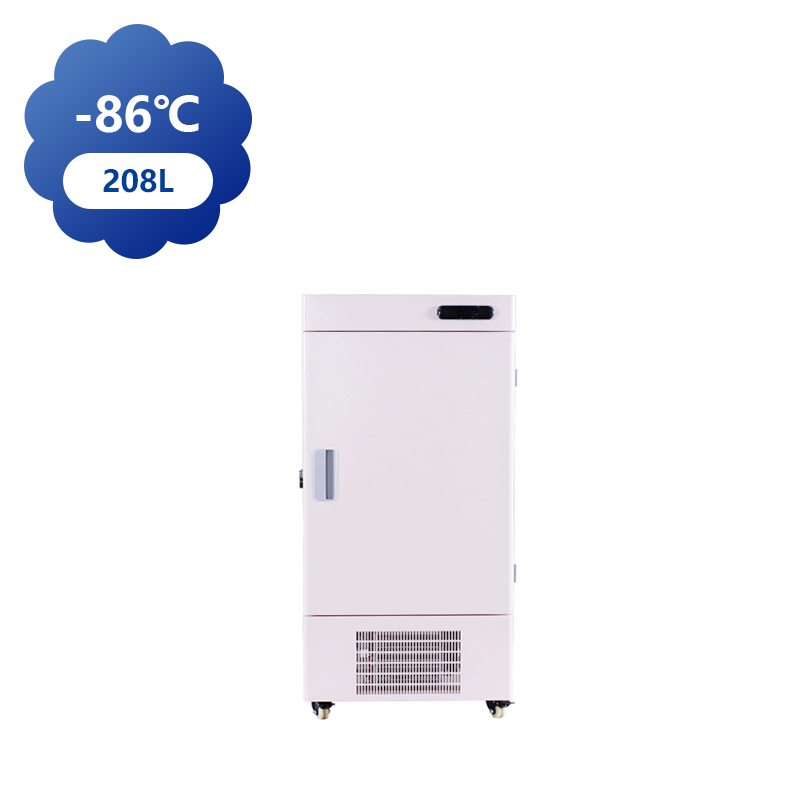



You can contact to me using this form.
Ensuring proper handling and transport of an upright ultra low freezer is a key concern for labs and facilities that need to relocate equipment, move samples between sites, or adjust layouts within a research space. Whether you’re planning a local shift or a multi‑day transport, understanding environmental constraints and logistical considerations will help protect both the freezer and its valuable contents. Forums and experienced technicians emphasize that poor planning can cause compressor damage, sample loss, or degraded performance after placement — making informed preparation essential.
Understanding Environmental Limits
Ultra cold storage freezer manuals specify recommended operating temperature ranges for both performance and equipment longevity. For example, typical units are designed to operate safely within an ambient range of approximately +15°C to +32°C (59°F to 90°F), and exceeding these can affect compressor workload and recovery times. This range applies when the freezer is used for storage rather than during transport.
This operating guidance implies that if you intend to move a freezer through environments outside this range — such as harsh heat or freezing cold — you must consider the impacts on mechanical lubricants, seals, and internal systems. In some scenarios, aggressive cold environments can cause compressor lubricants to thicken, making it harder for the system to restart once re‑powered.
Transporting Upright Ultra Low Freezers: Key Considerations
Whether moving a freezer across campus or across states, the following tips help reduce risk and protect internal components:
1. Maintain Upright or Limited Tilt
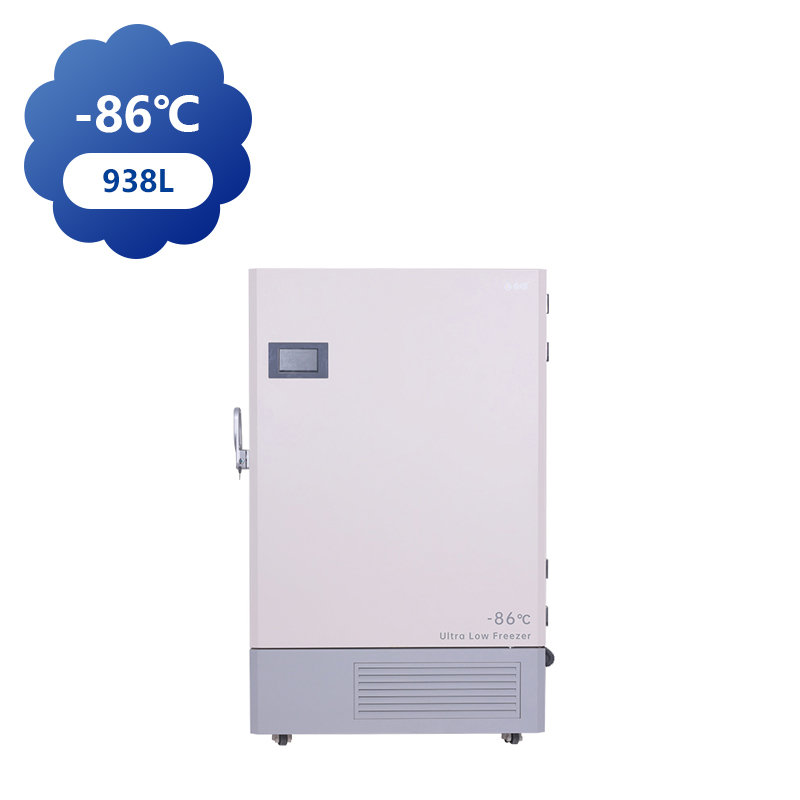
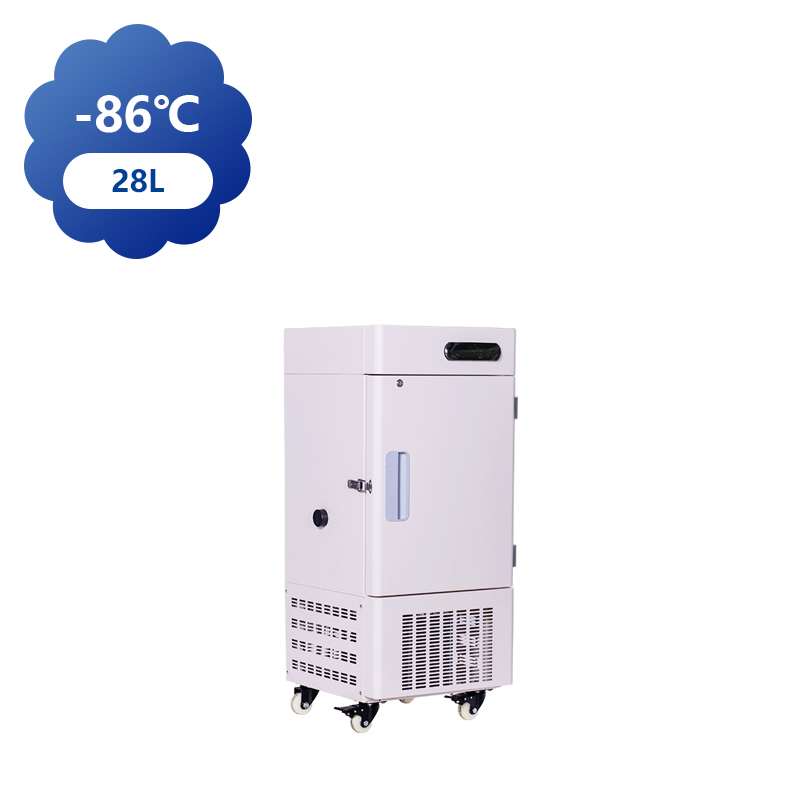
Freezers — especially upright ultra low freezer models — should be kept as close to vertical as possible during moves. Excessive tilting or laying the unit flat can allow compressor oil to flow into areas where it shouldn’t, potentially causing damage when restarted. A safe guideline is to keep the tilt under 45 degrees during lifting and handling.
2. Use Proper Packing and Suspension
The freezer’s packaging should cushion it against vibration and shocks during transit. Mechanical vibration and jarring can stress internal components, particularly if the freezer is fully loaded. Completing electrical and mechanical checks before and after transit reduces unexpected failures.
3. Environmental Monitoring
If your transport route involves variable ambient temperatures — such as a long road trip — consider using portable environmental monitors. These help you track temperature and humidity around the unit to avoid harsh conditions that exceed operating ranges. Sites and manuals consistently advise keeping freezers away from direct sunlight and harsh heat sources.
Interrupting Power: What to Expect
When an ultra cold storage freezer is unplugged for transport, it naturally loses active cooling capacity. In such cases, users have discussed options for maintaining low temperatures — particularly on longer journeys:
Dry Ice Packing: Some labs temporarily pack dry ice inside the unit to maintain a cold environment during transport. However, users report that this should be done with caution. Dry ice can sublimate into gas in a tightly sealed chamber, increasing internal pressure and potentially confusing built‑in sensors or damaging the freezer if not managed carefully.
Unpowered Transport: Many technicians recommend placing samples in dedicated shipping containers or cryogenic dewars rather than transporting an entire powered‑off freezer. The logistics and regulatory paperwork for moving a powered ULT freezer — particularly when using dry ice — can be complex and may classify the transport as hazardous.
For these reasons, shipping only samples or using professional scientific transport services that provide LN₂ or power support during transit may be safer alternatives.
Placement and Restart After Transport
Once your upright ultra low freezer arrives at its destination, the way you settle and power it back up makes a difference:
Let It Rest: After moving, let the freezer stand upright, unplugged, for a period (often 30 minutes or more) before powering up. This allows compressor fluids to settle, minimizing stress on the system at startup.
Proper Ventilation: Ensure the placement site allows adequate airflow around the freezer. Manuals emphasize avoiding tight enclosures without ventilation, as poor airflow leads to heat buildup and increased stress on cooling systems.
Clearance and Ambient Conditions: Position the freezer away from direct sunlight and heat sources, and confirm that its ambient environment stays within recommended limits for ideal operation.
Practices for Ongoing Stability
Beyond immediate transport, long‑term freezer health benefits from:
Routine maintenance checks post‑move to detect issues introduced by vibration or handling.
Temperature monitoring systems inside the unit to alert staff promptly if conditions shift after relocation.
Organized sample retrieval planning so doors are opened less frequently and internal temperatures remain stable; this also preserves compressor life.
If you need solutions tailored to environments where transport and placement challenges are frequent, Zhejiang Heli Refrigeration Equipment Co., Ltd. can help with guidance on logistical ideal practices and engineered freezer systems designed for robust performance.
