


 中文简体
 English
 Français
 عربى
 +86-15988502726(wechat)



You can contact to me using this form.
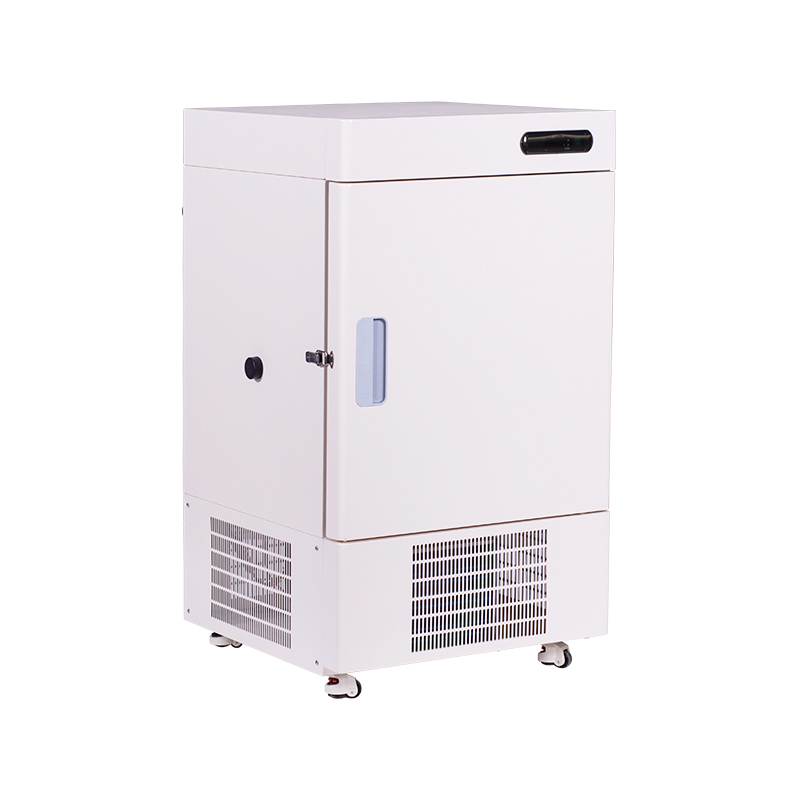
As laboratory sample collections continue to grow, finding a specific specimen inside a crowded freezer can become a time-consuming task. Researchers may spend several minutes checking boxes, moving racks, or opening multiple compartments before locating the required material. These repeated operations can interrupt laboratory workflows and increase unnecessary exposure of stored samples to warmer ambient conditions. For laboratories managing large sample collections, an Ultra Low Temperature Freezer should be considered part of a broader sample management system, where storage capacity, inventory accuracy, and retrieval efficiency work together.
Why Sample Organization Matters in Long-Term Storage
An unstructured freezer inventory often becomes more difficult to manage as research projects expand. Samples may be stored by different team members using inconsistent labeling methods, making it difficult to identify their exact locations.
This problem is particularly relevant to biobanks, pharmaceutical laboratories, clinical research facilities, and universities that maintain samples for multiple projects. A consistent storage structure helps researchers locate materials without repeatedly searching through unrelated boxes.
Create a Standardized Storage Layout
A practical inventory system should give every sample a clearly defined location. Laboratories can organize their storage hierarchy by freezer, shelf, rack, box, and individual grid position.
For example, a sample record could identify its location as Freezer 02, Shelf 03, Rack B, Box 12, Position C5. This approach makes retrieval more predictable and reduces confusion when several researchers share the same equipment.
Before introducing a new storage layout, laboratories should also check compatibility between freezer racks, storage boxes, and sample containers. Standardized dimensions can make it easier to reorganize inventory or transfer samples between compatible units.
Use Barcode Identification to Improve Traceability
Handwritten labels and spreadsheets may be sufficient for smaller collections, but they can become difficult to maintain when sample volumes increase. Barcode-based identification offers another way to connect physical samples with digital inventory records.
A laboratory information management system or dedicated freezer inventory platform can record sample identifiers, storage locations, collection dates, project information, and other relevant metadata.
However, barcode technology alone does not guarantee accurate records. Staff must update the database whenever samples are moved, removed, or disposed of. Consistent procedures are essential to maintaining reliable sample traceability.
Reduce Unnecessary Door Openings During Retrieval
Searching for samples while a freezer door remains open can introduce warmer air into the storage compartment. Repeated or prolonged access may also increase the refrigeration system's workload.
A well-planned inventory helps researchers identify the required rack or box before opening the unit. Laboratories can further improve retrieval efficiency by grouping frequently accessed samples in clearly defined locations, provided the storage arrangement remains suitable for the samples and equipment.
For facilities with high sample turnover, preparing retrieval lists in advance and assigning standardized access procedures can reduce unnecessary handling.
Balance Storage Density With Practical Accessibility
Maximizing storage capacity does not simply mean filling every available space. Overcrowded compartments can make it difficult to remove individual boxes, update records, or perform routine maintenance.
Laboratories should select racks and boxes that fit the freezer's internal dimensions while leaving practical room for handling. A portion of available capacity may also be reserved for incoming samples or temporary transfers during maintenance.
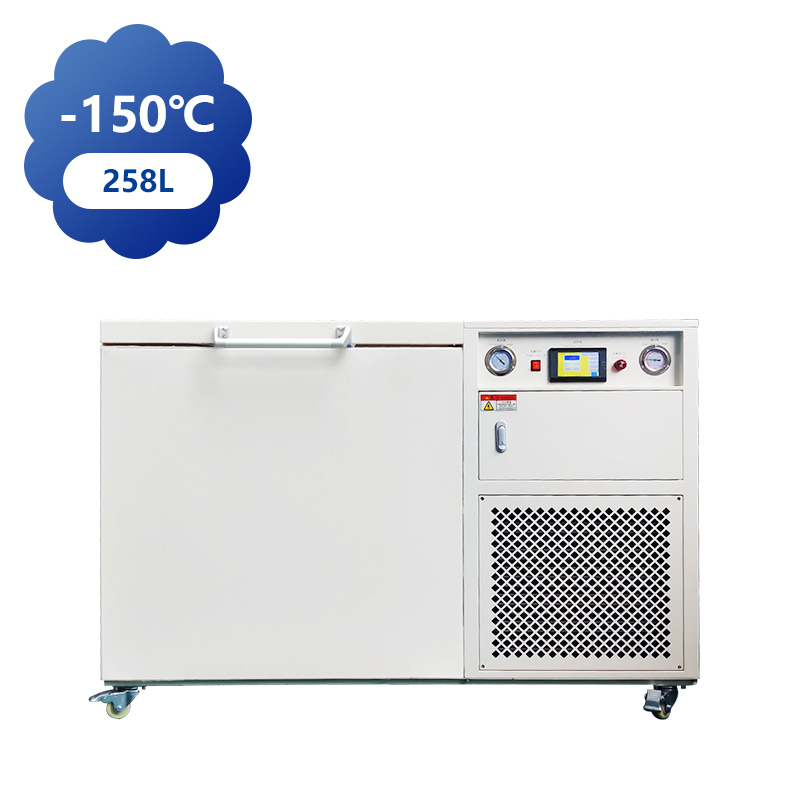
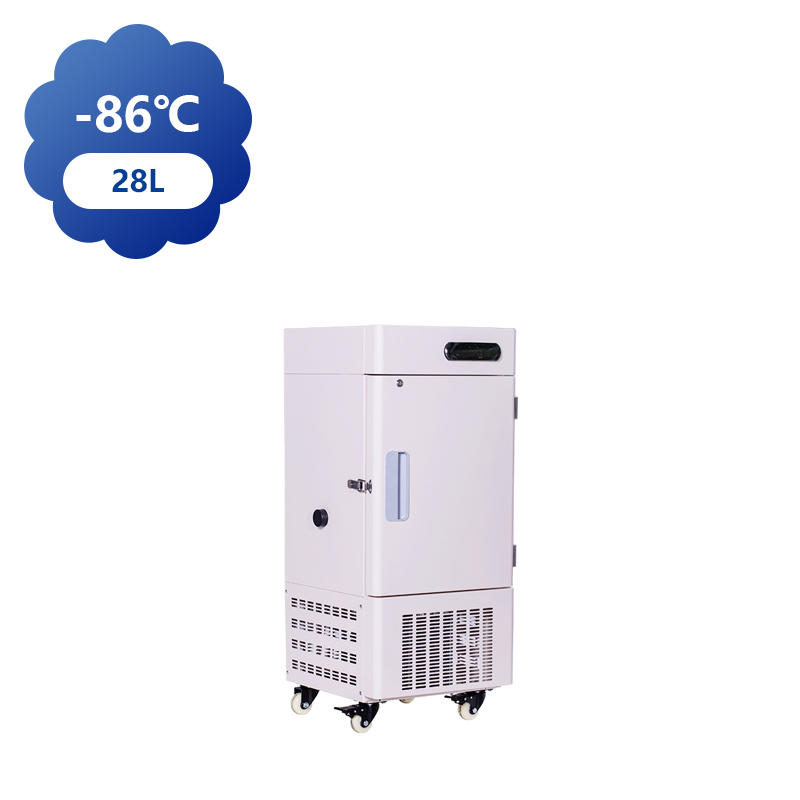
When comparing an Ultra Low Temperature Freezer, buyers should review usable storage capacity, rack compatibility, internal layout, and the availability of suitable accessories rather than relying only on the advertised number of liters.
Establish Clear Inventory Responsibilities
Even a well-designed storage system can become unreliable if no one is responsible for maintaining it. Laboratories should define who can add samples, change storage locations, approve disposal, and review outdated inventory records.
Periodic inventory checks can identify unlabeled materials, duplicate records, unused samples, and storage locations that no longer match the database. For larger research facilities, assigning a freezer owner or laboratory manager can help maintain consistent procedures across teams.
Select Equipment That Supports Your Laboratory Workflow
When purchasing an Ultra Low Temperature Freezer, buyers should consider how the equipment will fit into existing sample management practices. Internal configuration, rack compatibility, storage capacity, access design, and monitoring options can all influence daily operation.
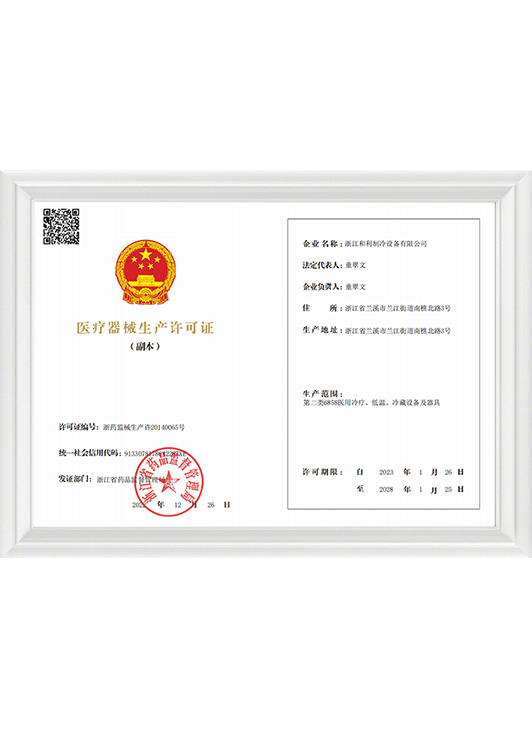
A suitable manufacturer should provide clear technical documentation and explain which storage accessories and configurations are compatible with each model. Laboratories should also confirm that the selected unit meets their required temperature conditions and operational procedures.
Effective sample management depends on more than the freezer itself. By combining a suitable Ultra Low Temperature Freezer with standardized inventory records and organized storage practices, laboratories can improve sample retrieval, support traceability, and make better use of their available cold-storage capacity.
