


 中文简体
 English
 Français
 عربى
 +86-15988502726(wechat)
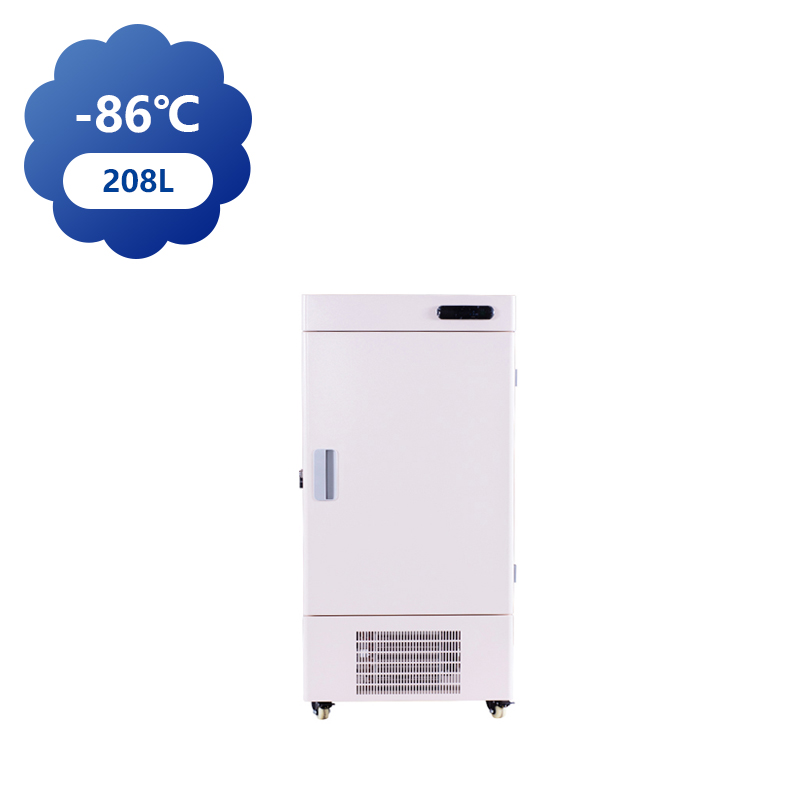
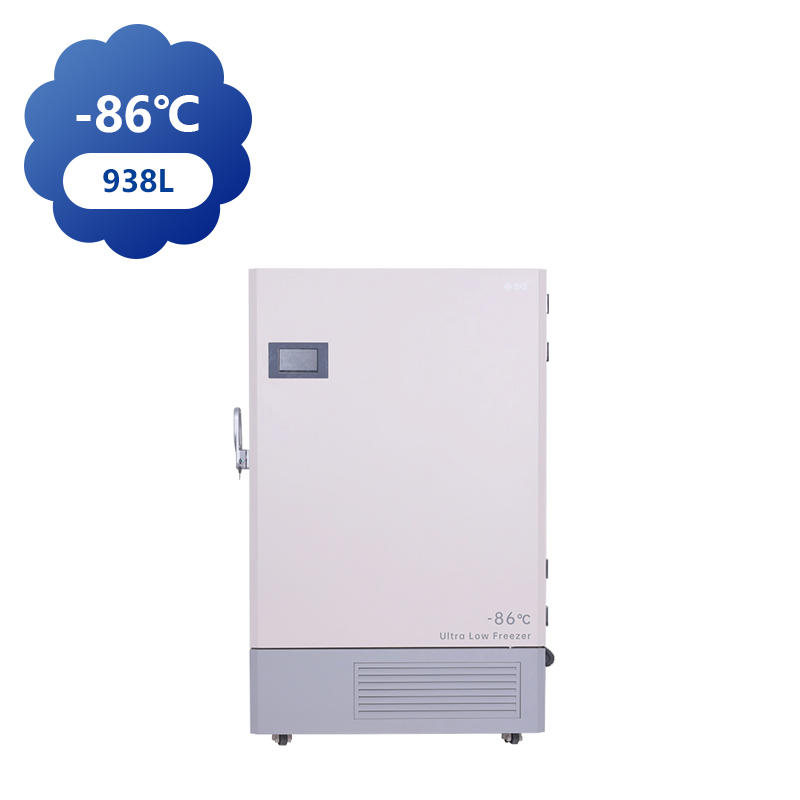
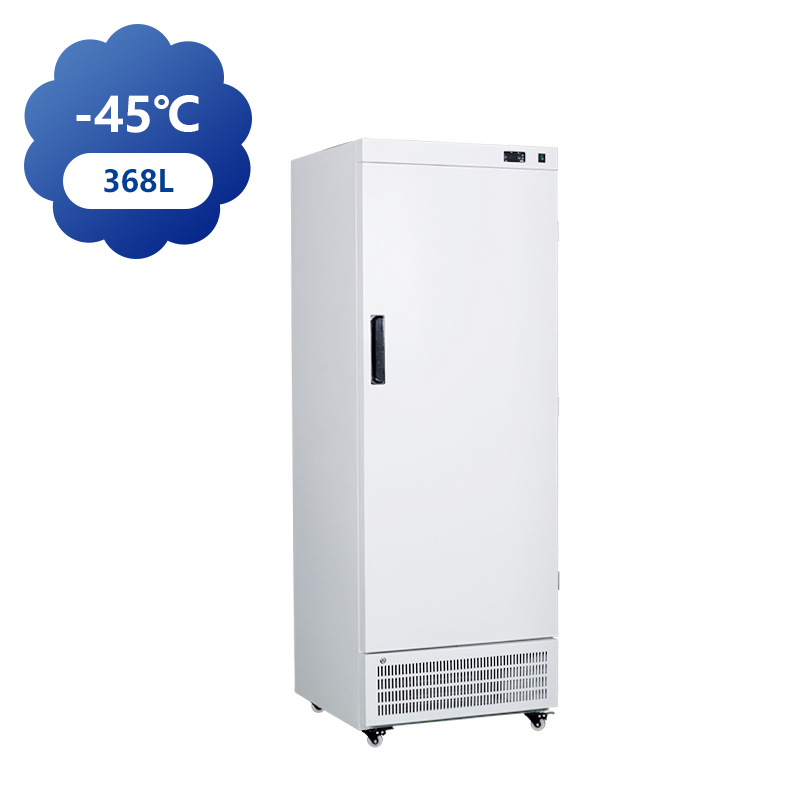
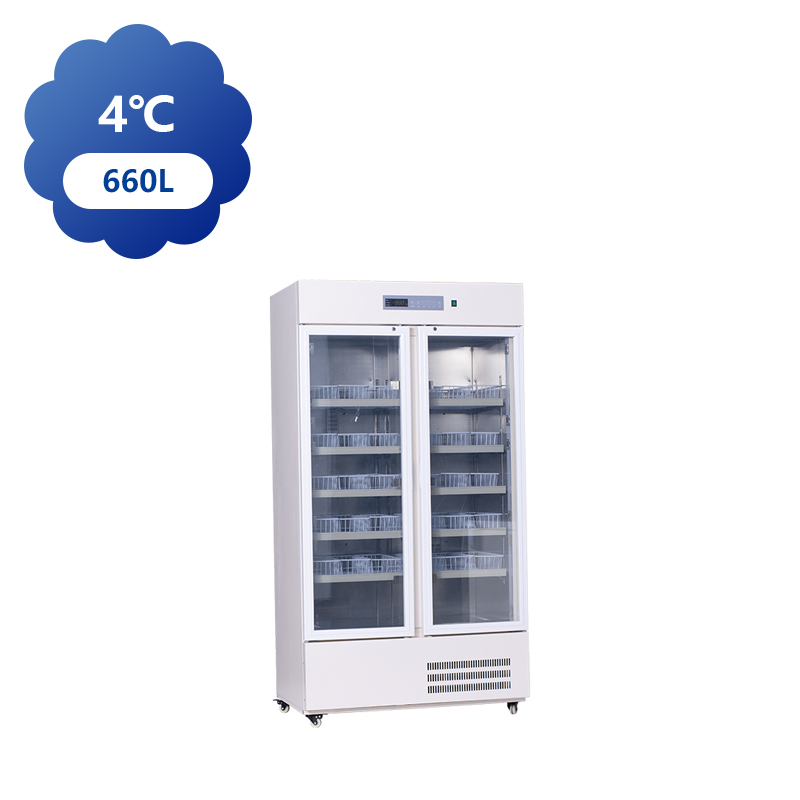
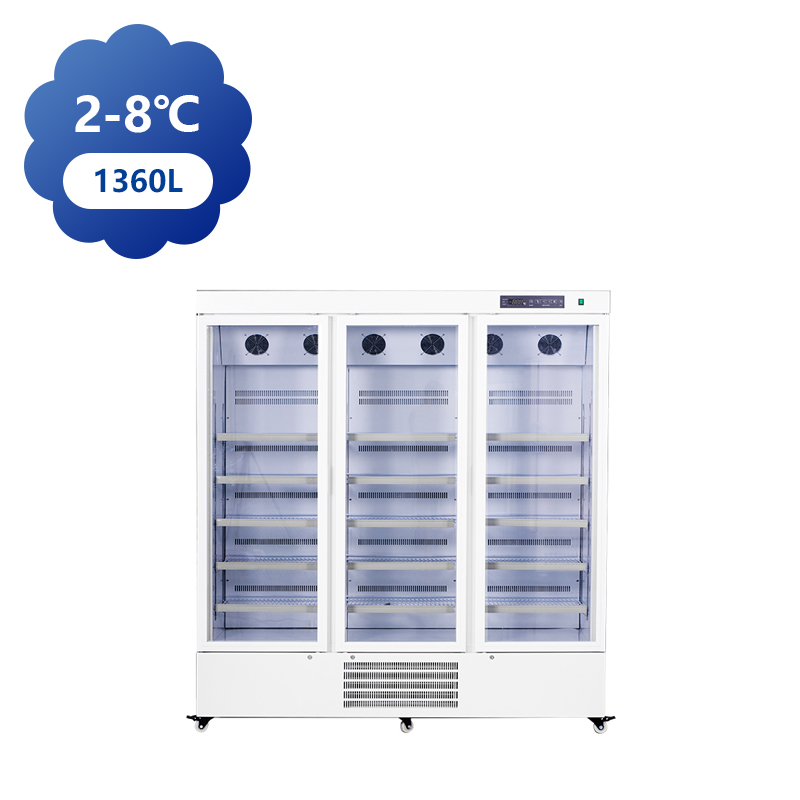
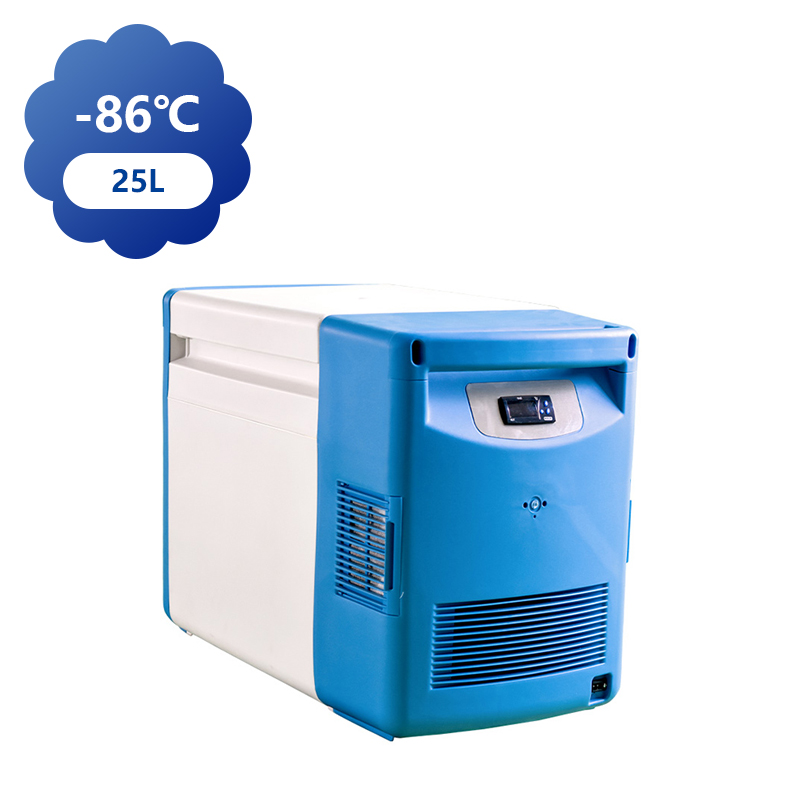
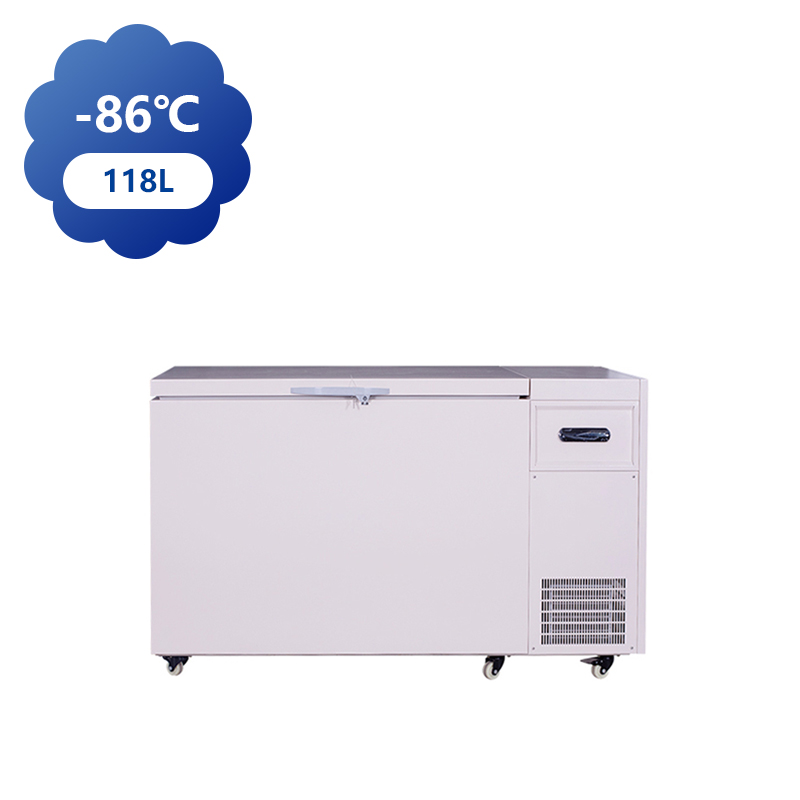
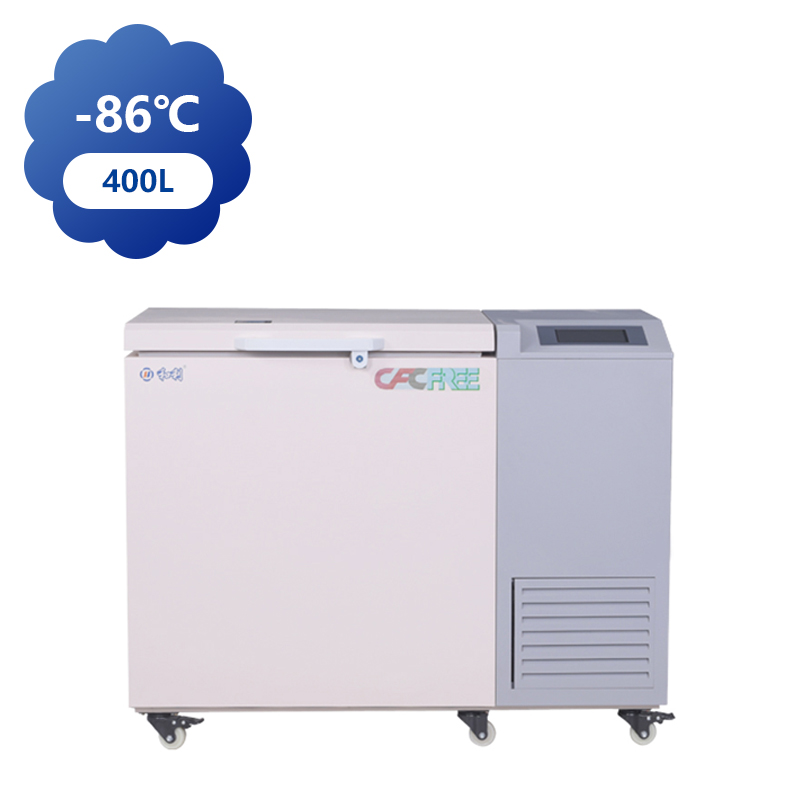



You can contact to me using this form.
For pharmaceutical laboratories, biotechnology companies, and biomedical research institutions, stored samples often represent years of research, significant investment, and valuable scientific resources. A temperature deviation inside a storage unit may therefore create problems that extend far beyond equipment performance. Power interruptions, frequent door openings, sensor inaccuracies, and refrigeration faults can all affect storage conditions if they are not identified promptly. As laboratory sample management becomes more focused on traceability and risk control, choosing an Ultra Low Temperature Freezer involves more than checking its cooling range. Buyers also need to understand how temperature monitoring, alarm functions, and emergency protection work together to safeguard stored materials.

Why Is Temperature Monitoring Essential for Biological Sample Storage?
A freezer's digital display provides an overview of its operating temperature, but it does not necessarily represent every location inside the storage chamber. Differences in airflow, sample loading, door openings, and cabinet design can influence internal temperature distribution.
For laboratories storing cell cultures, biological reagents, tissue samples, and research specimens, these variations deserve careful attention. A temperature monitoring system helps staff identify abnormal conditions before they develop into more serious storage problems.
When evaluating a laboratory freezer, buyers should examine:
- Temperature display accuracy and sensor positioning.
- Internal temperature uniformity.
- High- and low-temperature alarm settings.
- Historical temperature data and recording functions.
- Compatibility with independent monitoring systems.
Temperature mapping and sensor calibration are also important when equipment is used for regulated or high-value sample storage.
What Are the Common Causes of Temperature Excursions?
Temperature excursions can occur for several reasons, and not all of them originate from refrigeration system failures. Understanding common causes helps laboratory managers establish more effective preventive procedures.
Frequent door openings allow warmer air to enter the cabinet. Poorly sealed doors may affect insulation performance, while excessive frost can interfere with normal operation. In addition, insufficient ventilation around the freezer may cause heat accumulation near the refrigeration components.
Power interruptions and unexpected compressor faults introduce further risks, especially in facilities without an established backup plan.
As a manufacturer, we recommend considering both equipment design and laboratory operating conditions. A well-configured freezer still needs suitable installation, routine inspection, and appropriate operating procedures to maintain stable storage conditions.
How Can Alarm Systems Help Prevent Sample Loss?
An effective alarm system gives laboratory personnel an opportunity to respond when operating conditions move outside predefined limits. Depending on the equipment configuration, alarms may include high-temperature warnings, sensor failure alerts, power failure notifications, and door-open warnings.
For facilities operating outside normal working hours, remote notification can be particularly useful.
Important alarm features to evaluate include:
- Audible and visual alerts for abnormal conditions.
- Battery backup for alarm functions during power interruptions.
- Remote notification through compatible monitoring systems.
- Clear alarm history for reviewing previous events.
- Independent monitoring options for additional verification.
However, an alarm cannot replace an emergency response procedure. Laboratories should establish clear responsibilities for checking notifications, contacting maintenance personnel, and transferring samples when necessary.
Should Laboratories Consider Backup Cooling Protection?
A backup cooling system can provide additional protection when the main refrigeration system experiences a serious problem. Some ultra-low temperature freezer models support optional CO2 or liquid nitrogen backup configurations.
These systems are designed to provide supplementary cooling under specified emergency conditions. Their actual protection time depends on factors such as the backup supply, freezer design, storage load, ambient conditions, and activation settings.
Before purchasing, buyers should confirm whether backup cooling is included or optional, which gas supplies are compatible, and what installation requirements apply.
It is also advisable to maintain an emergency sample transfer plan and identify suitable alternative storage capacity. Equipment protection and laboratory preparedness should work together rather than being treated as separate responsibilities.
Why Does Sample Organization Affect Freezer Performance?
Poor sample organization can increase door-opening time and make inventory management difficult. When researchers spend several minutes searching for a particular box, warmer air has more time to enter the storage chamber.
A structured storage system can improve both sample accessibility and operational efficiency.
Laboratories should consider using compatible racks, clearly labeled cryoboxes, standardized storage locations, and digital inventory records. Mapping each sample to a specific shelf, rack, and box location can reduce unnecessary searching.
For larger biobanks, integrating storage equipment with laboratory information management systems may also help improve sample traceability, depending on system compatibility.
These practices are particularly useful for facilities managing samples from multiple research projects or departments.
What Should Buyers Check Before Ordering a Laboratory Freezer?
Procurement teams should evaluate the complete storage solution rather than focusing exclusively on the advertised temperature range.
Key considerations include usable storage capacity, temperature uniformity, refrigeration configuration, insulation performance, alarm functions, power requirements, and available backup cooling options.
Installation conditions also matter. Buyers should confirm doorway dimensions, floor loading, ventilation space, and electrical capacity before delivery. For regulated applications, calibration documentation, temperature mapping, and installation or operational qualification support may also be required.
Discussing these requirements with the manufacturer before placing an order can help prevent configuration mismatches and unnecessary installation adjustments.
How Can Manufacturers Support Reliable Long-Term Storage?
Reliable sample storage depends on the relationship between equipment performance, laboratory management, and technical support. Manufacturers should provide clear product specifications, operating instructions, maintenance guidance, and information about available monitoring and emergency protection functions.
We focus on understanding each customer's storage application, including sample volume, operating environment, access frequency, and temperature requirements. This allows us to discuss suitable freezer configurations and relevant technical options before production.
For research institutions and pharmaceutical companies seeking dependable long-term storage, selecting an Ultra Low Temperature Freezer with appropriate monitoring, alarm, and backup protection features is an important step toward reducing operational risks. Working with an experienced manufacturer also helps procurement teams evaluate technical requirements and build a storage solution suited to their laboratory's daily operations.
