


 中文简体
中文简体 English
 Français
 عربى
عربى +86-15988502726(wechat)




You can contact to me using this form.
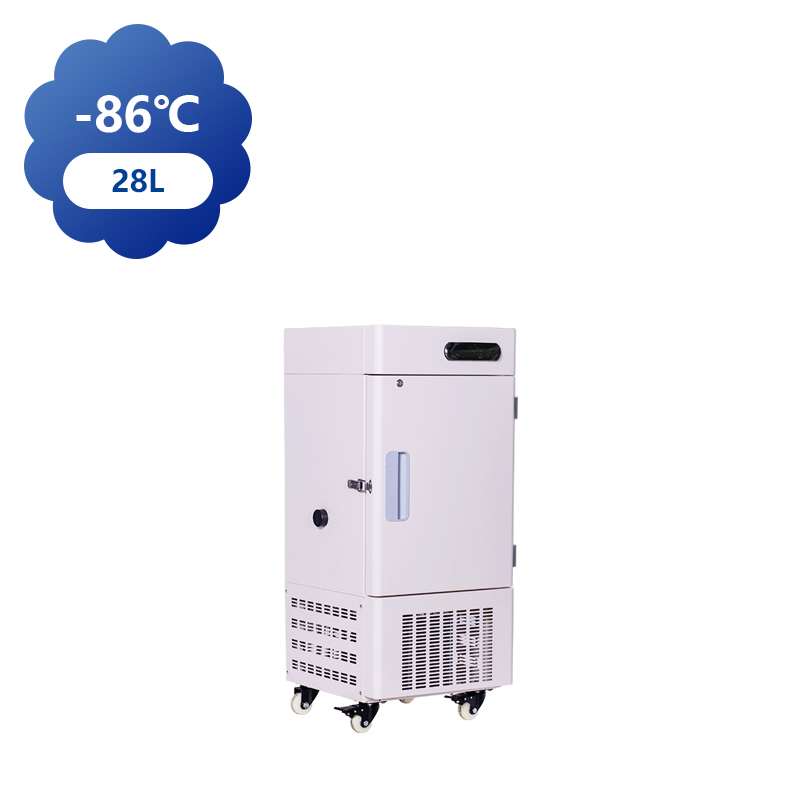
Many researchers and lab managers are evaluating whether storing critical materials at -70°C instead of -80°C offers practical advantages without compromising sample integrity. When consulting ultra low temperature freezer manufacturers or comparing laboratory cooling options, one of the more common questions is whether this warmer setting is scientifically safe. This concern is especially relevant for teams using a small laboratory freezer for routine storage, as energy efficiency, operational cost, and equipment longevity are key factors in daily decision-making.
Historically, -80°C has been considered the standard set-point for ultra-cold storage because it offers a wide safety margin for maintaining biological samples over long periods. However, emerging data and lab experience suggest that -70°C often provides a balance between preserving valuable materials and reducing the energy strain on refrigeration systems without meaningfully affecting stability.
Scientific Evidence on Sample Stability
Researchers have examined how various biological materials behave when stored at different ultra-cold temperatures, including -70°C and -80°C. One study comparing these two conditions showed no significant differences in the preservation of cells, tissues, and extracted DNA/RNA — and in some cases, RNA concentration was slightly better at the higher temperature. Based on such results, the conclusion was that -70°C can be as safe as -80°C for many sample types while offering sustainability benefits.
In addition to formal research, community experience and sustainability advocacy groups note that more microorganisms, proteins, and nucleic acids remain stable at -70°C, with degradation processes effectively halted at such low temperatures. Early ultra-cold freezers often operated at -65°C or -70°C, and decades of use in varied labs have shown this range to be broadly effective for long-term storage of many biological sample types.
Common User Concerns and Practical Cases
Some users have expressed apprehension about increasing the temperature by 10°C, fearing subtle effects on fragile samples like RNA or certain proteins. However, scientific consensus from researchers and sustainability experts generally supports the safety of -70°C for these materials, especially when prepared and sealed correctly. DNA, RNA, proteins, and many microbial stocks have been successfully preserved at -70°C without observable degradation over extended periods.
That said, it’s important to recognize that not all samples are identical. Cases involving highly sensitive clinical trial material, extremely labile enzymes, or legacy samples with no prior stability data may justify a conservative approach or targeted validation studies before widespread adoption of warmer storage. A tailored assessment can identify any exceptions where -80°C might remain the safer choice for specific sample classes.
Energy, Equipment Stress, and Long-Term Impact
One major benefit of operating at -70°C is reduced energy consumption — up to ~30% less compared with -80°C — which lowers utility costs and reduces the carbon footprint of lab operations. Labs with many ULT freezers can realize substantial savings over time, particularly for facilities with electricity-intensive research workflows.
Lowering the set-point also lessens mechanical strain on compressors and other critical components inside ultra-cold freezers. Running a freezer constantly at a very low temperature forces the refrigeration system to work harder, which may increase wear and tear. Operating at -70°C lets the freezer cycle less aggressively, potentially extending its useful life and lowering maintenance needs — a point emphasized by sustainability advocates and lab operational analysts.
Balancing sample safety with energy and equipment longevity encourages labs to reconsider default temperature settings. For routine storage where scientific evidence supports -70°C, this adjustment can deliver operational benefits without sacrificing sample quality.
Better Practices for Labs Considering -70°C
Shifting from -80°C to -70°C storage should be a deliberate decision based on sample types, storage duration, and long-term research needs. Labs transitioning to warmer set-points often follow a few practical steps:
- Assess Sample Sensitivity:
Perform a review of sample characteristics and consult stability data or test runs to ensure the intended materials remain stable at -70°C.
- Validate Critical Workflows:
Implement a short-term validation phase where a subset of samples is stored at -70°C and regularly checked for integrity, with results guiding broader policies.
- Monitor Freezer Performance:
Use temperature logging and alert systems to track deviations and catch unexpected fluctuations early. Remote monitoring platforms help staff respond promptly to any thermal excursions.
- Document and Standardize:
Record decisions and protocols related to temperature settings in lab SOPs to ensure consistency and reproducibility among team members.
Considering these practices helps labs make informed changes aligned with scientific evidence and operational objectives.
Expert Insight and Manufacturer Support
When evaluating temperature settings, input from ultra low temperature freezer manufacturers and equipment engineers can provide valuable context. Manufacturers design units with temperature flexibility in mind and often offer guidance on appropriate set-points for diverse sample types. At Zhejiang Heli Refrigeration Equipment Co., Ltd., we support customers in understanding how different operating temperatures affect both sample integrity and equipment performance, helping labs find solutions that fit their scientific needs without unnecessary energy waste.
