


 中文简体
中文简体 English
 Français
 عربى
عربى +86-15988502726(wechat)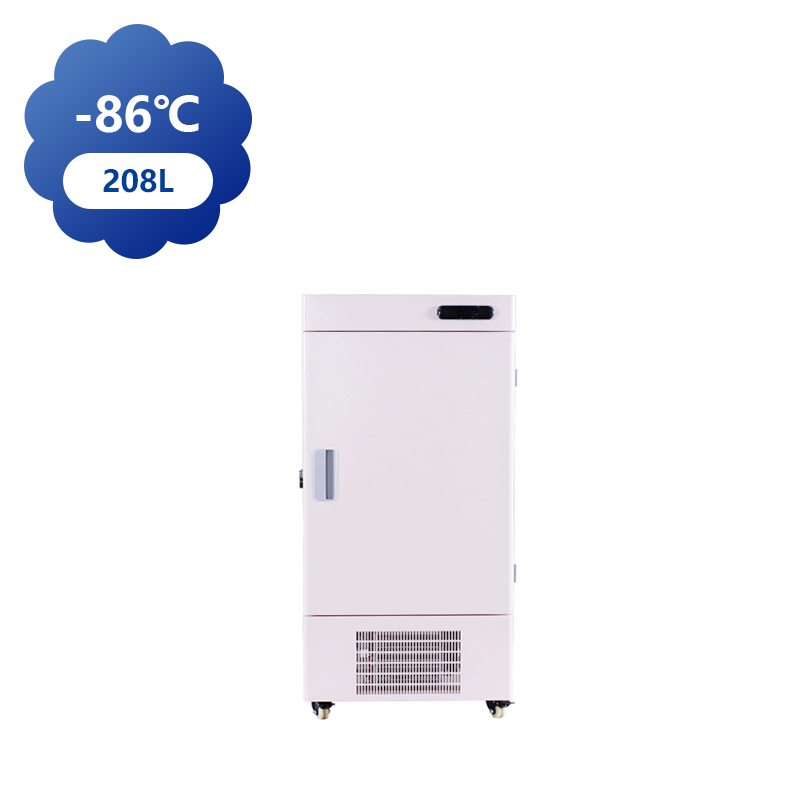



You can contact to me using this form.
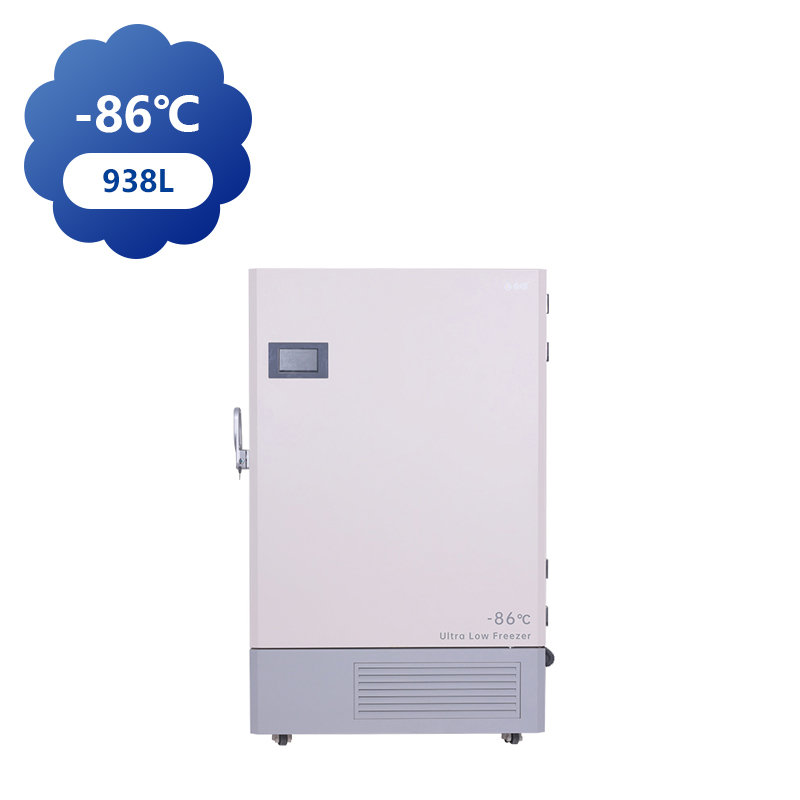
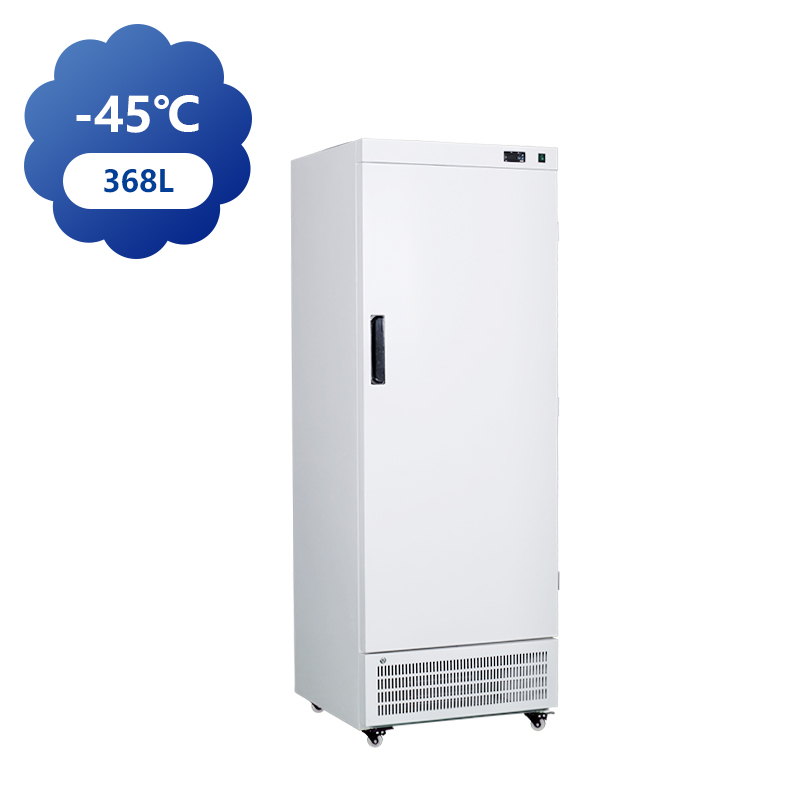
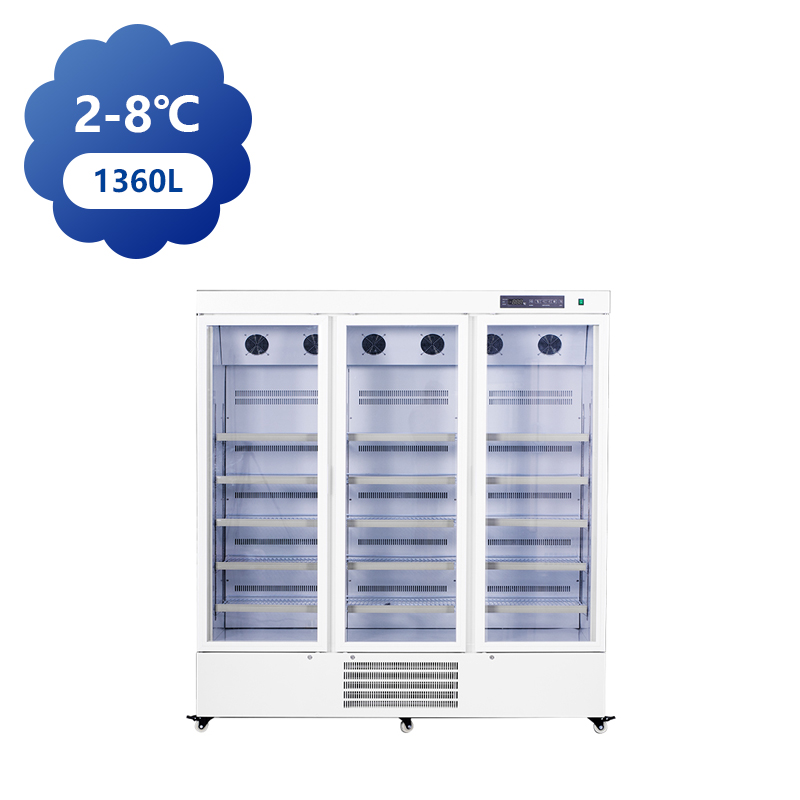
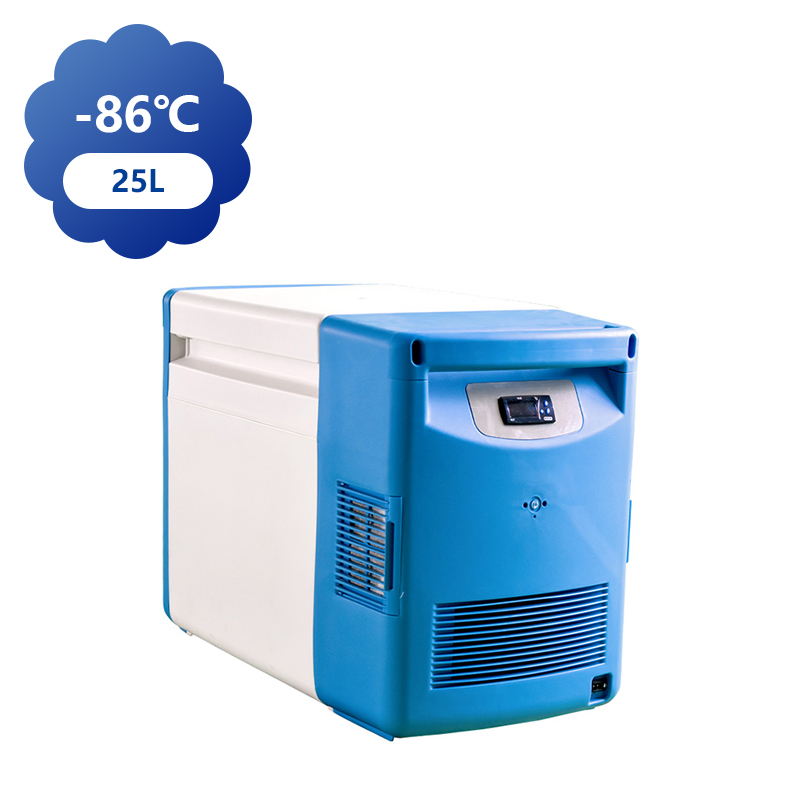
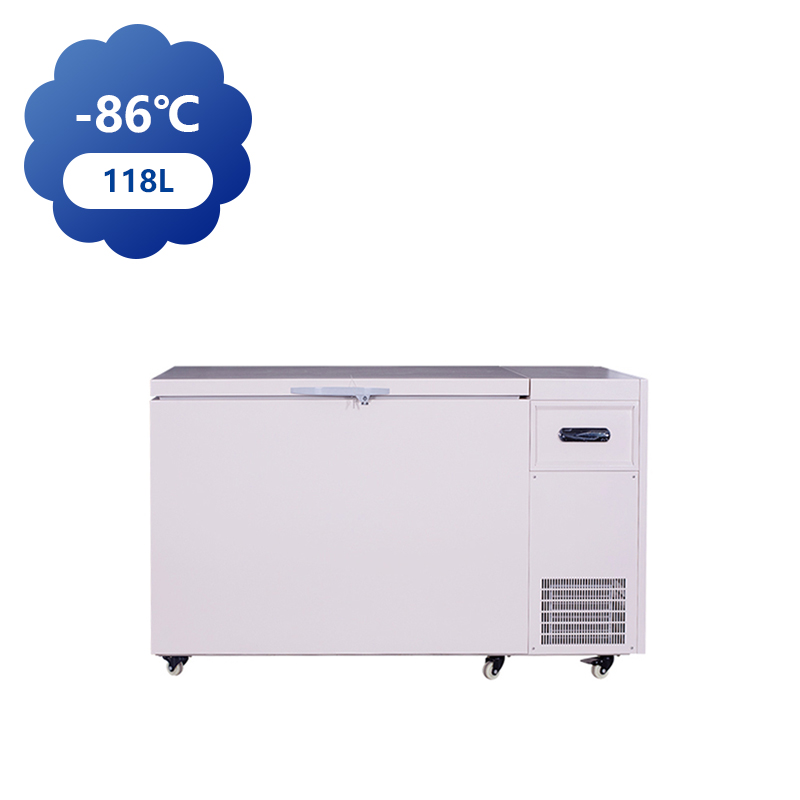
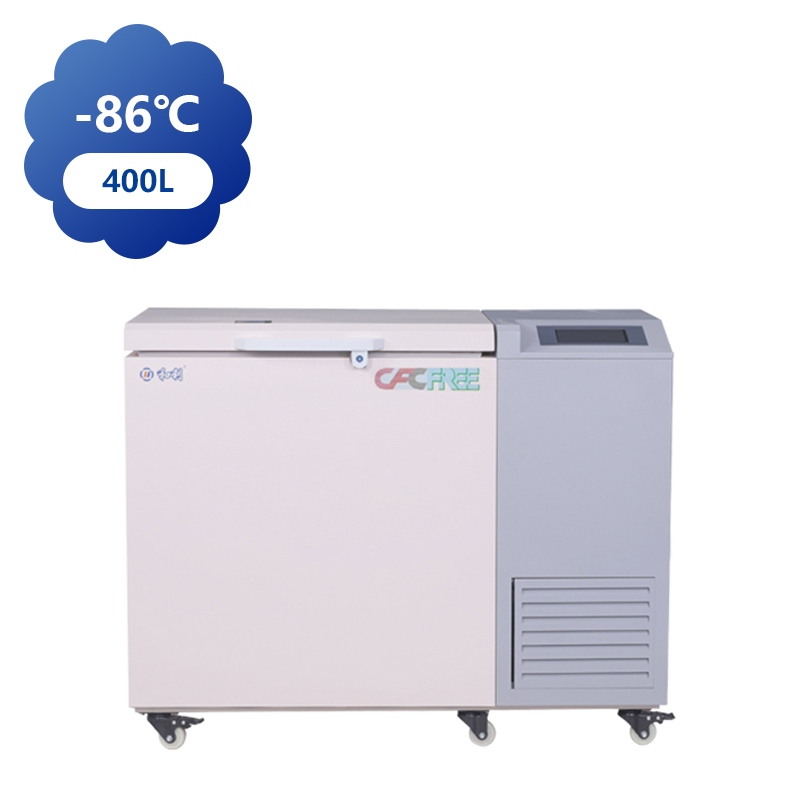
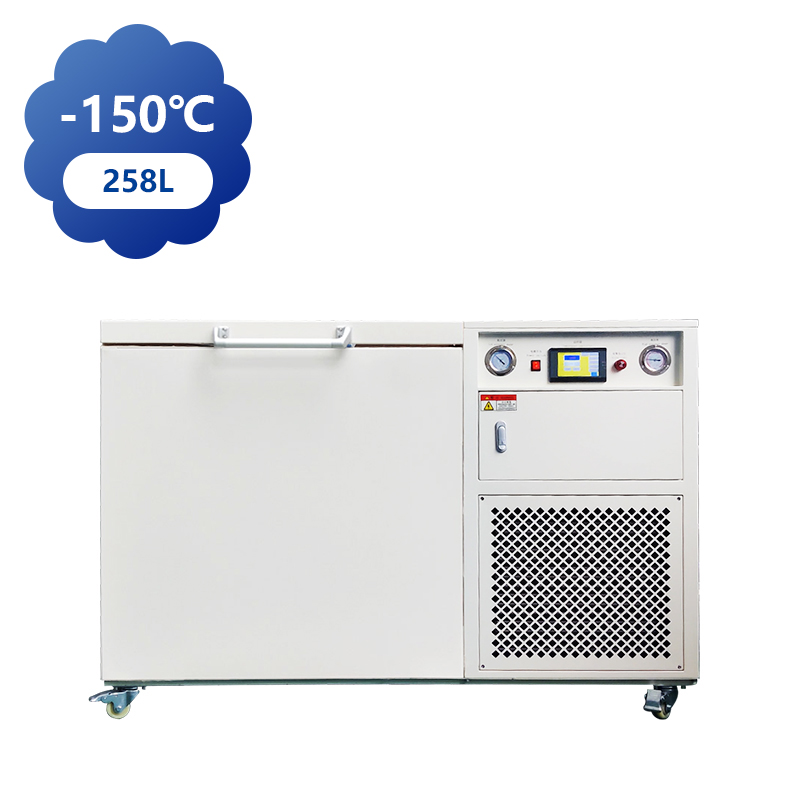
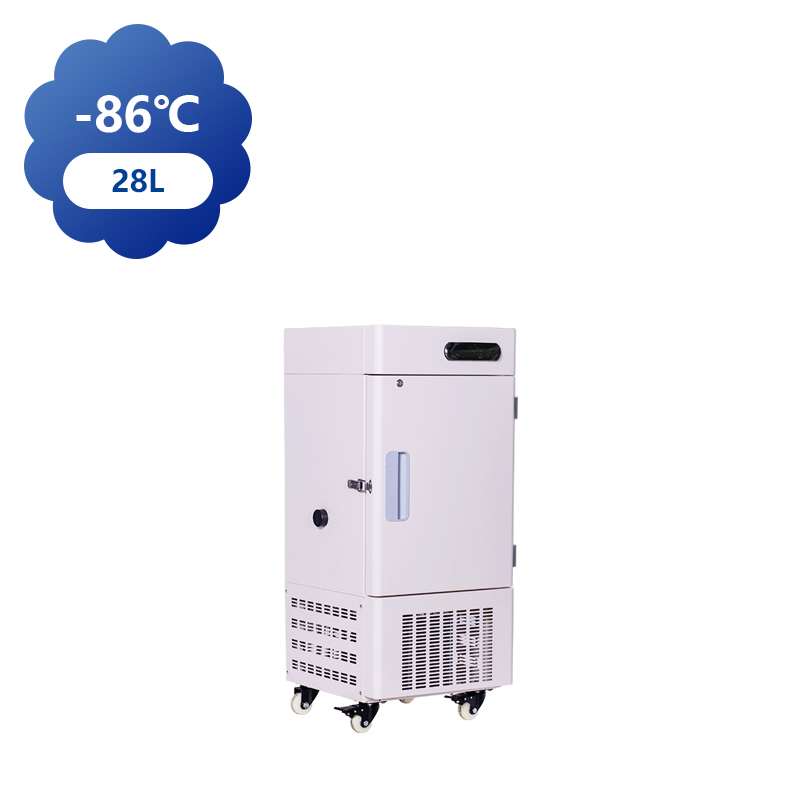
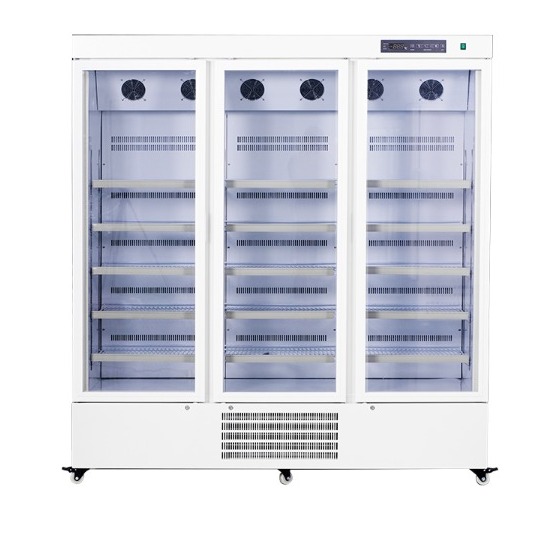
Laboratories storing biological samples often rely on extremely stable cold storage systems. An Ultra Low Temp Freezer is designed to maintain temperatures as low as −80 °C for long-term storage of vaccines, biological samples, and laboratory reagents. In many facilities, an Industrial ULT Freezer is also used for larger capacity storage or centralized sample management.
Despite advanced refrigeration systems, ice accumulation inside the freezer is one of the issues that laboratory staff frequently discuss in technical forums and maintenance guides. Frost and ice formation may appear harmless at primary, yet it can gradually affect temperature stability, airflow, and mechanical components inside the unit. Understanding the reasons behind ice buildup helps laboratories protect both equipment and valuable samples.
Ice Formation Is a Natural Physical Process
Extreme cold surfaces naturally attract moisture from the surrounding air. When warm air carrying water vapor enters the freezer chamber and contacts surfaces that are far below freezing, the vapor immediately freezes and forms frost. Over time, repeated exposure to humid air causes frost to develop into thicker ice layers.
Even well-designed laboratory freezers cannot completely eliminate this process. Ultra-low temperature environments always attract moisture, especially in facilities where humidity levels fluctuate throughout the day.
Frequent Door Opening Introduces Moisture
One of the more common causes of excessive ice buildup is frequent door opening. Each time the door opens, warm laboratory air enters the chamber. That air contains humidity, which condenses and freezes on internal surfaces.
Maintenance specialists explain that frost buildup increases significantly when the door is opened repeatedly or left open for extended periods. Over time, this ice can slow temperature recovery after the door is closed and reduce cooling efficiency.
Laboratories that frequently retrieve samples may notice faster ice formation than facilities with more controlled access.
Typical operational causes include:
Repeated access during sample retrieval
Poor sample organization that prolongs door opening
Multiple users accessing the same freezer frequently
Long door-open times during inventory checks
Improving sample organization and reducing unnecessary access can noticeably slow ice formation.
Damaged Door Seals and Gaskets
Door gaskets play a critical role in preventing warm air from entering the freezer. Over time, seals may wear out or become damaged by accumulated frost or mechanical stress.
A worn gasket allows small amounts of air to leak into the chamber continuously. This hidden air infiltration gradually produces frost around the door frame or interior panels. Excessive ice buildup can also damage door latches and reduce sealing efficiency.
Signs that gasket issues may exist include:
Frost forming along the door edges
Difficulty closing the door completely
Uneven ice accumulation near seals
Routine inspection of door seals is an important part of preventive maintenance for both upright and chest-style units.
Improper Installation or Environmental Conditions
Environmental factors surrounding the freezer also influence frost formation. Ultra-low temperature equipment is usually designed to operate within specific room temperature and humidity ranges.
High humidity levels increase the amount of moisture entering the freezer during each door opening. In addition, poor ventilation around the unit can reduce cooling efficiency and contribute to frost accumulation.
Key installation considerations include:
Maintaining proper airflow around the condenser
Avoiding direct sunlight or heat sources
Controlling room humidity levels
Ensuring sufficient spacing between equipment
Laboratories that follow these guidelines typically experience fewer ice-related maintenance issues.
Lack of Preventive Maintenance
Ice accumulation becomes more problematic when routine maintenance is neglected. Small frost layers can gradually expand until they interfere with inner doors or storage racks.
Regular cleaning and periodic defrosting help maintain consistent performance. Removing excess frost prevents airflow blockage and reduces strain on the refrigeration system.
Common maintenance tasks include:
Cleaning door gaskets and seals
Monitoring frost buildup around interior doors
Scheduling periodic manual defrost cycles
Checking alarm systems and temperature monitoring devices
Maintenance routines are especially important in high-capacity Industrial ULT Freezer systems that operate continuously in research or production environments.
Practical Strategies to Reduce Ice Buildup
Laboratories can reduce frost accumulation by implementing simple operational practices:
Organize samples clearly
Clear labeling and storage racks reduce the time required to locate samples.
Minimize door-open time
Retrieve materials quickly and close the door immediately.
Inspect seals regularly
Damaged gaskets should be replaced before air leakage becomes severe.
Maintain stable laboratory conditions
Moderate humidity and proper ventilation help limit frost formation.
Schedule periodic defrost procedures
Preventive cleaning avoids excessive ice layers.
Manufacturers such as Zhejiang Heli Refrigeration Equipment Co., Ltd. continue to develop freezer designs that help reduce frost accumulation through improved insulation, door structures, and temperature control systems.
Maintaining Reliable Cold Storage
Ice buildup inside an Ultra Low Temp Freezer is a common challenge faced by laboratories worldwide. While the phenomenon cannot be completely eliminated, understanding the causes makes it easier to manage.
Proper maintenance, careful operation, and thoughtful installation conditions can significantly reduce frost accumulation and help extend the lifespan of an Industrial ULT Freezer.
Stable temperature control remains essential for protecting research samples, and addressing small maintenance issues early often prevents larger operational problems later.
