


 中文简体
 English
 Français
 عربى
 +86-15988502726(wechat)
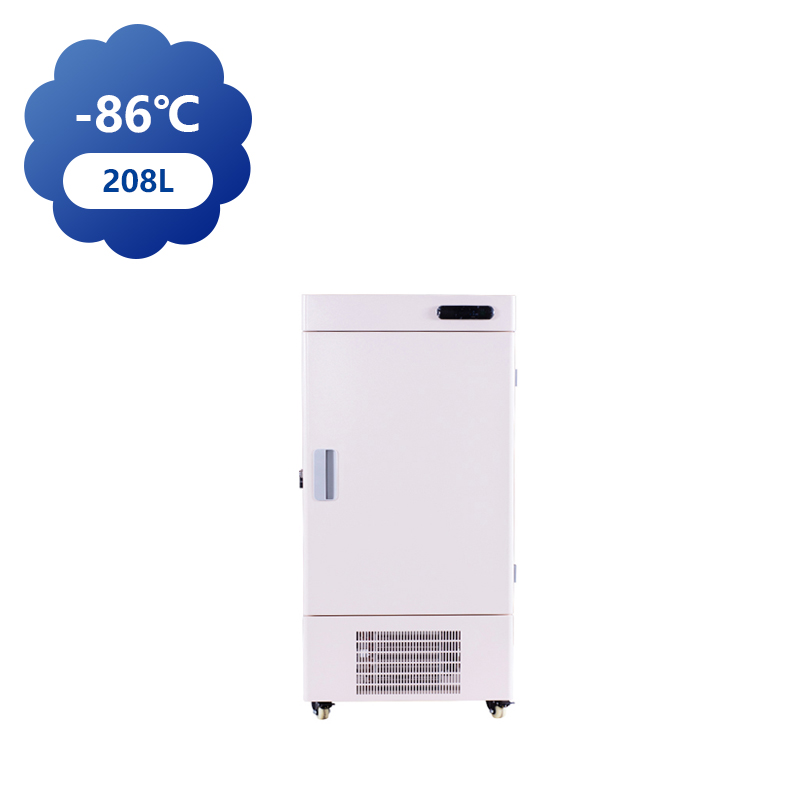
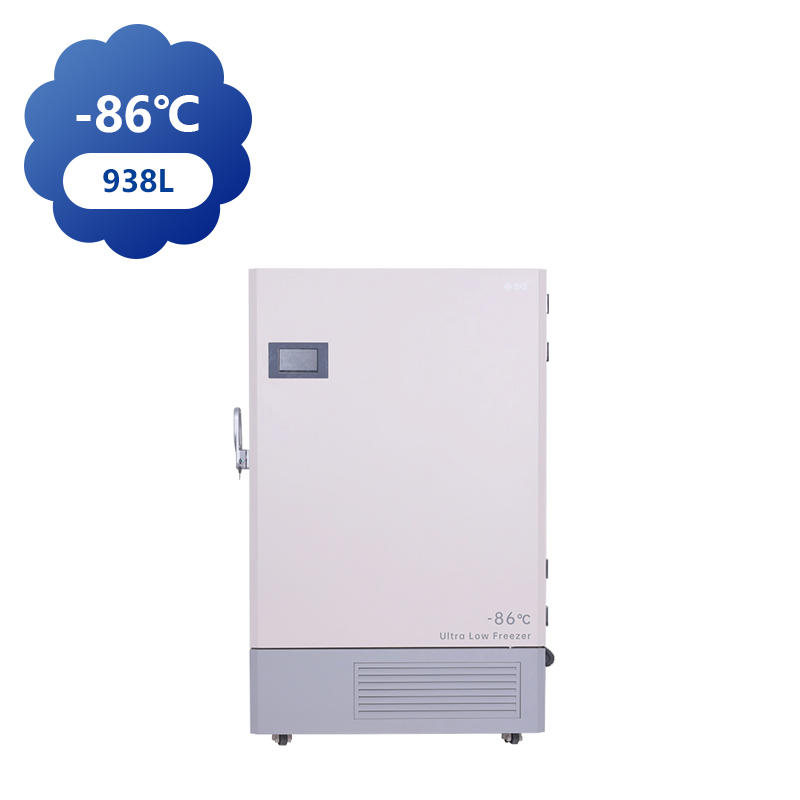
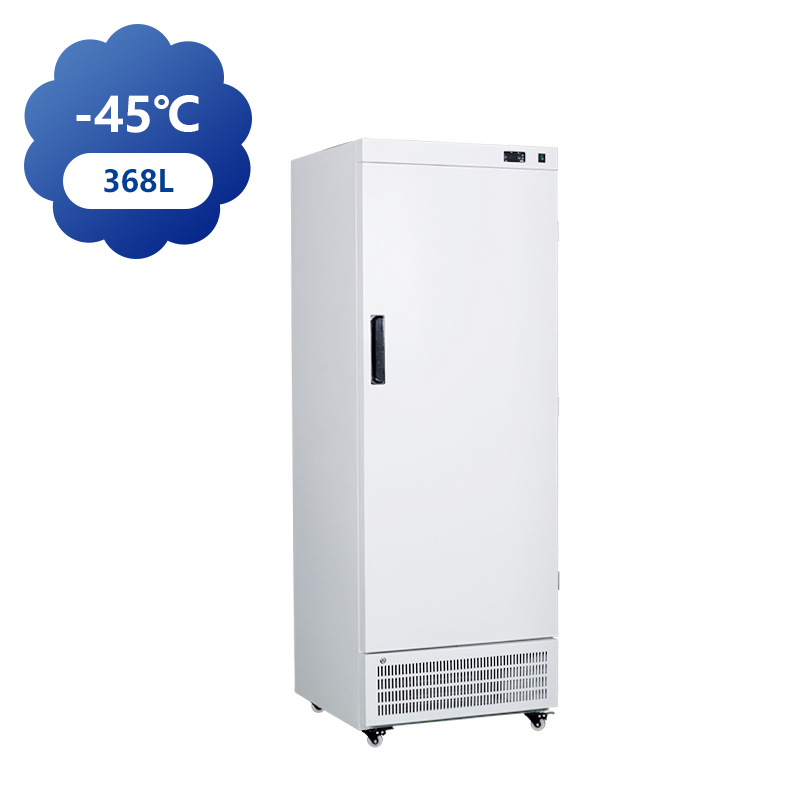
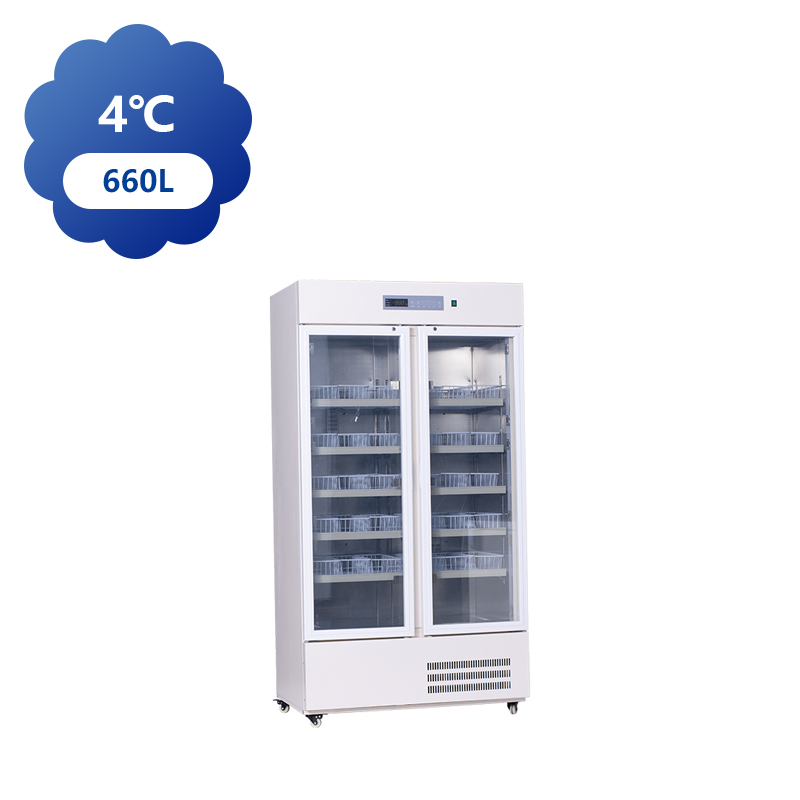
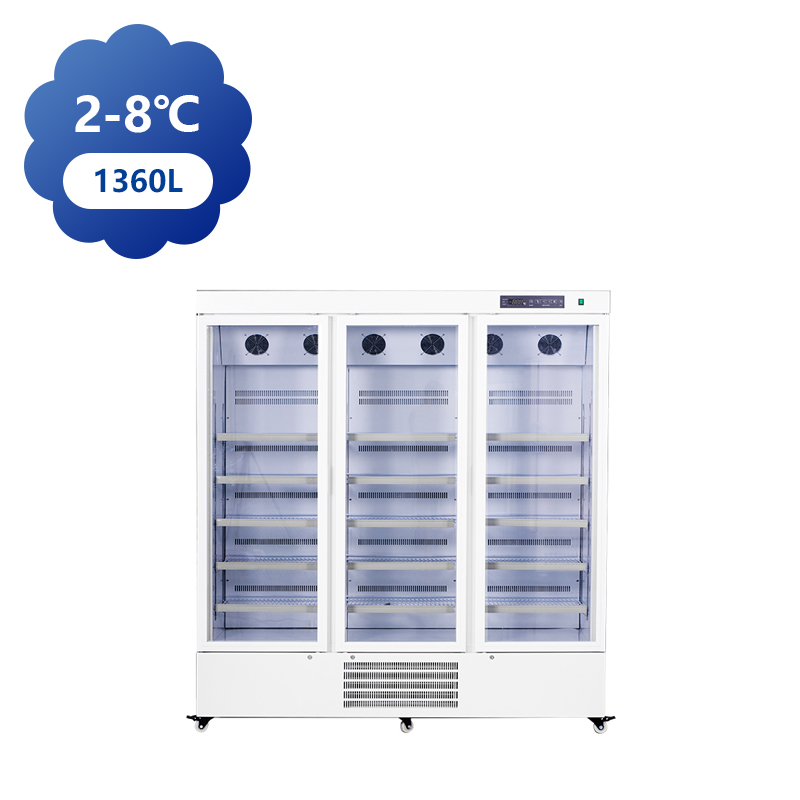
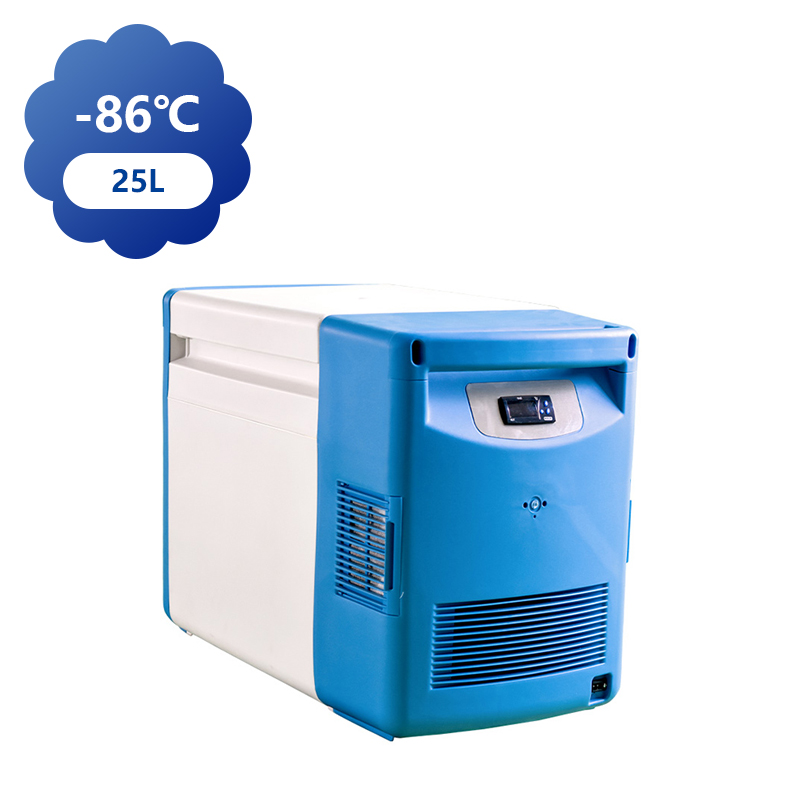
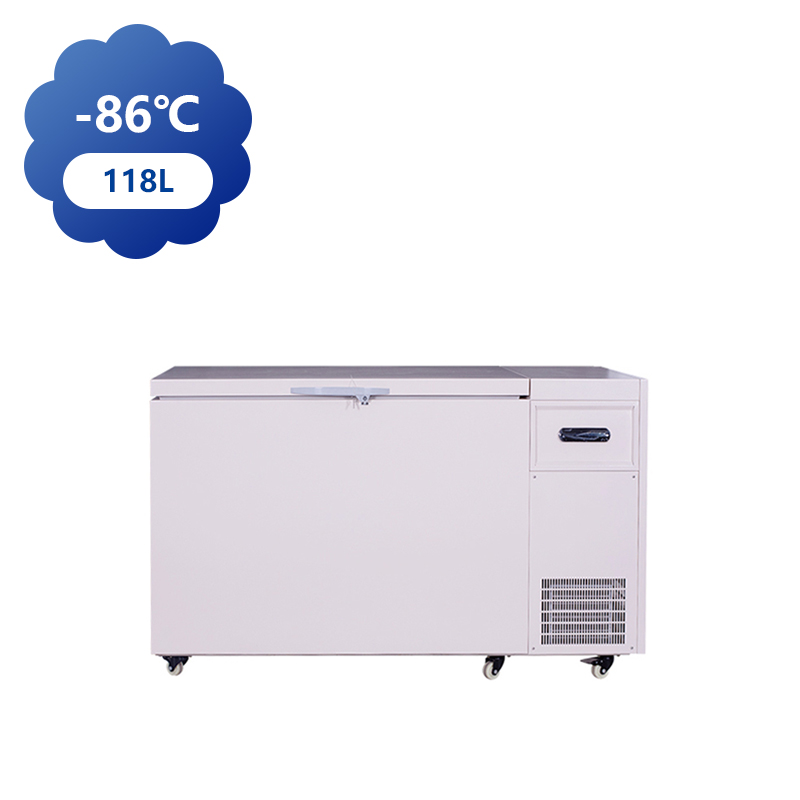
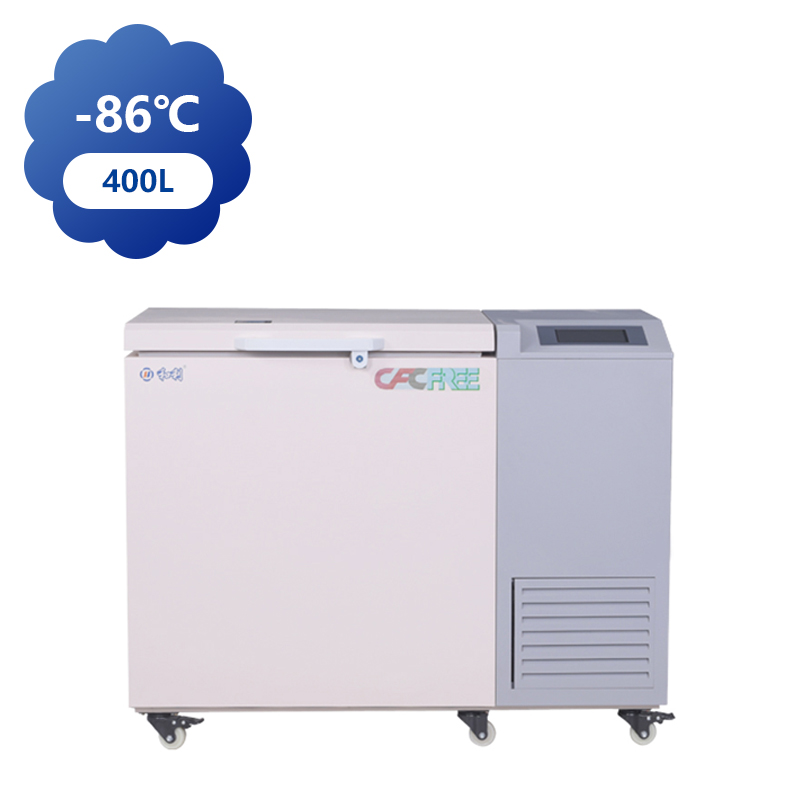
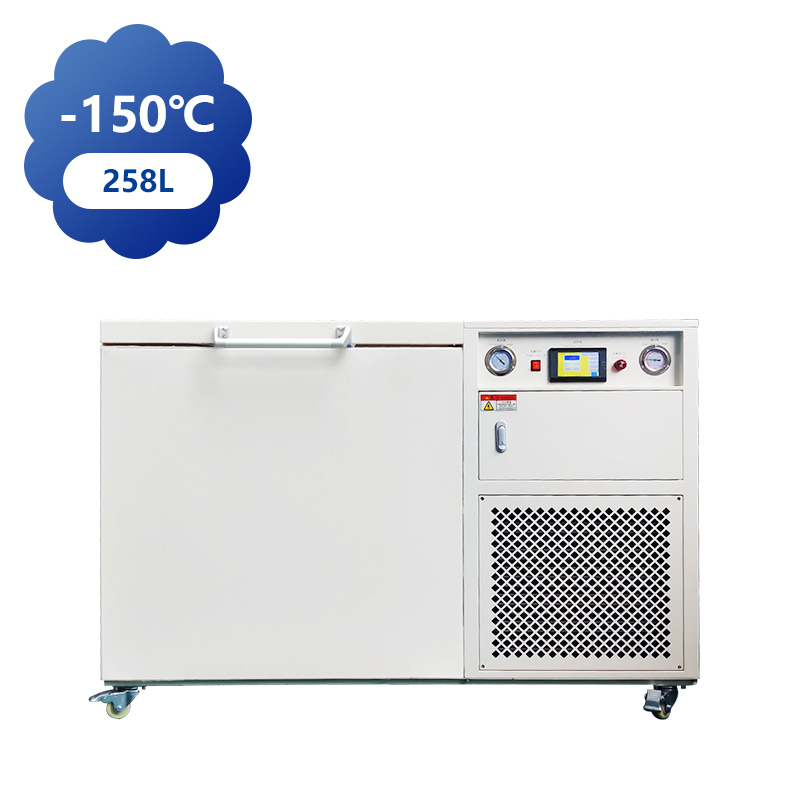
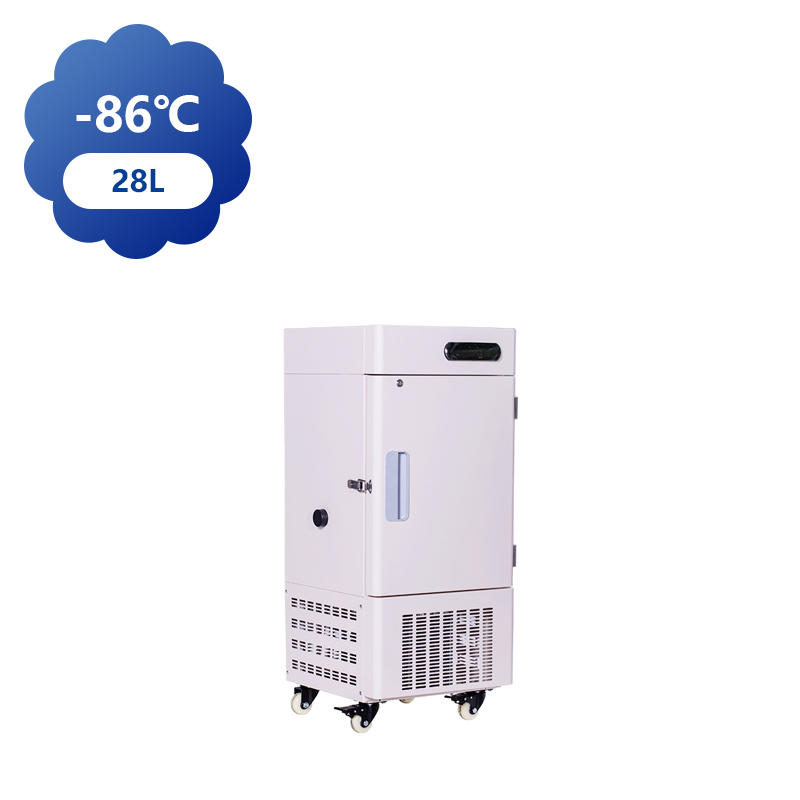



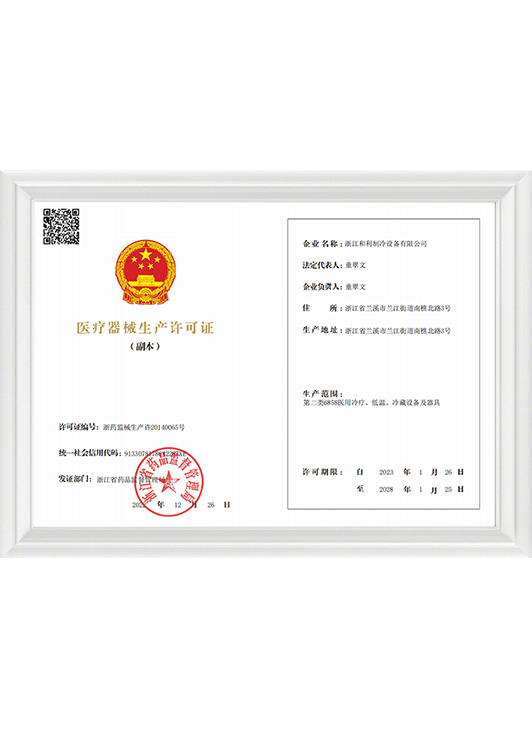
You can contact to me using this form.
Purchasing an Ultra Low Temperature Freezer is only one part of expanding laboratory storage capacity. Before delivery, laboratories also need to consider whether the installation site can support the equipment's weight, electrical requirements, heat output, and maintenance needs. For research institutions, hospitals, and biobanks, overlooking these practical details can advance to installation delays, additional facility costs, or operating difficulties. A successful purchasing decision should therefore begin with a review of the laboratory environment, not just the freezer's technical specifications.

Check the Delivery Route Before Ordering
ULT freezers are large pieces of equipment, and their actual delivery dimensions may differ considerably from the cabinet dimensions listed in a product brochure. Buyers should measure laboratory entrances, corridors, elevators, stairwells, and turning spaces before confirming an order.
It is also important to check the packaged dimensions and shipping weight. A freezer that fits into the intended room may still be difficult to move through the building. Discussing delivery conditions with the supplier in advance can help laboratories prepare suitable handling equipment and avoid unexpected installation problems.
Evaluate Floor Loading and Installation Space
Once the freezer reaches its destination, the floor must be suitable for supporting the equipment's total operating weight, including stored samples and accessories. This is particularly important when installing multiple units or placing heavy equipment on upper floors.
Laboratories should also leave sufficient clearance around the cabinet. The required spacing depends on the freezer model and its ventilation design, so buyers should follow the manufacturer's installation manual rather than applying a universal measurement. Adequate space makes routine cleaning, inspection, door operation, and future servicing easier.
Confirm Electrical Capacity and Power Access
An Ultra Low Temperature Freezer requires a stable electrical supply to support its refrigeration system. Before installation, facility teams should verify the rated voltage, frequency, current requirements, plug type, and circuit capacity against the selected model.
Some units require a dedicated electrical circuit. Laboratories should also consider how emergency power will be provided if samples must remain protected during an outage. Generator connections, backup power arrangements, and circuit protection should be reviewed by qualified electrical personnel in accordance with local regulations.
Plan for Heat Dissipation and Room Ventilation
ULT freezers remove heat from their storage compartments and release it into the surrounding environment. When several units operate in a small room, the combined heat output can increase the workload on the building's cooling system.
Poor ventilation or excessive room temperatures may affect refrigeration performance and place additional stress on equipment components. Buyers should request relevant energy consumption or heat-rejection information from the manufacturer and share it with their facilities team. The room's cooling capacity, ambient temperature range, and airflow should all be checked before the equipment arrives.
Consider Access for Maintenance and Future Expansion
Installation planning should account for more than the initial operating position. Technicians may need access to filters, electrical connections, refrigeration components, and other service areas, depending on the model.
Laboratories should avoid placing freezers in locations where routine maintenance requires moving other equipment or disrupting daily activities. It is also worth considering future storage demand. Leaving room for additional units or alternative storage arrangements can make later laboratory expansion easier and reduce the need for another major layout adjustment.
Prepare an Installation and Acceptance Plan
Before delivery, buyers should clarify what the supplier includes in the installation service. Responsibilities may cover positioning, startup checks, operating instructions, temperature verification, and staff training, depending on the agreement.
After installation, the laboratory should establish acceptance criteria based on its intended application. This may include checking temperature stability, reviewing alarm functions, confirming monitoring connections, and completing any required qualification procedures. For regulated or high-value sample storage, documentation and qualification requirements should be agreed upon before procurement.
Choose a Supplier That Understands Laboratory Requirements
A suitable freezer supplier should be able to provide clear technical documentation and practical guidance on installation conditions. Buyers should ask about electrical specifications, environmental limits, maintenance access, commissioning support, warranty coverage, and the availability of after-sales service.
For laboratories planning new storage facilities or replacing existing equipment, selecting an Ultra Low Temperature Freezer should involve both product performance and site readiness. Careful preparation helps reduce installation risks and supports more reliable long-term operation.
