


 中文简体
 English
 Français
 عربى
 +86-15988502726(wechat)
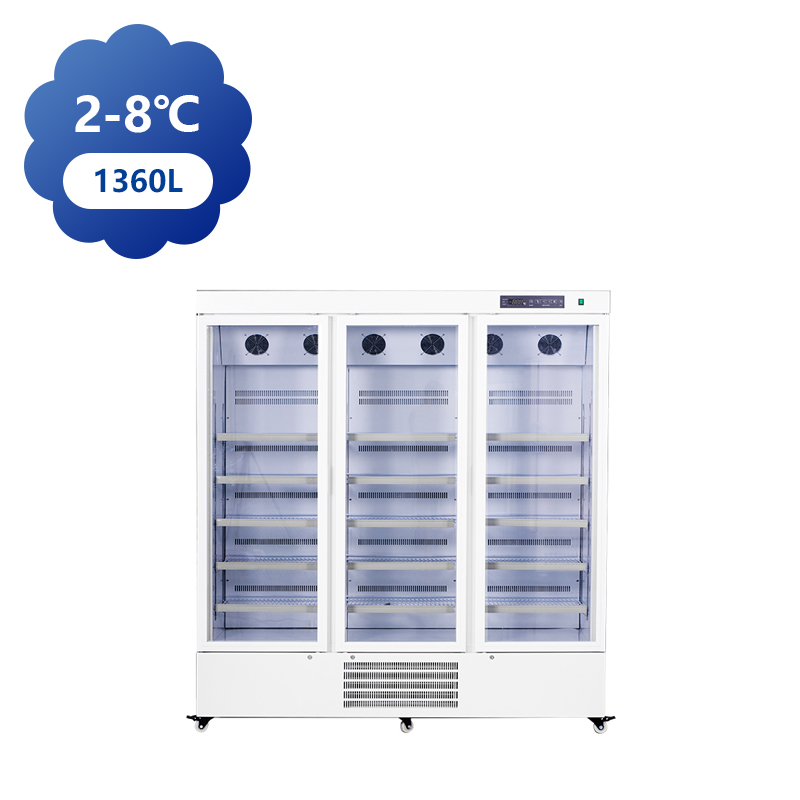
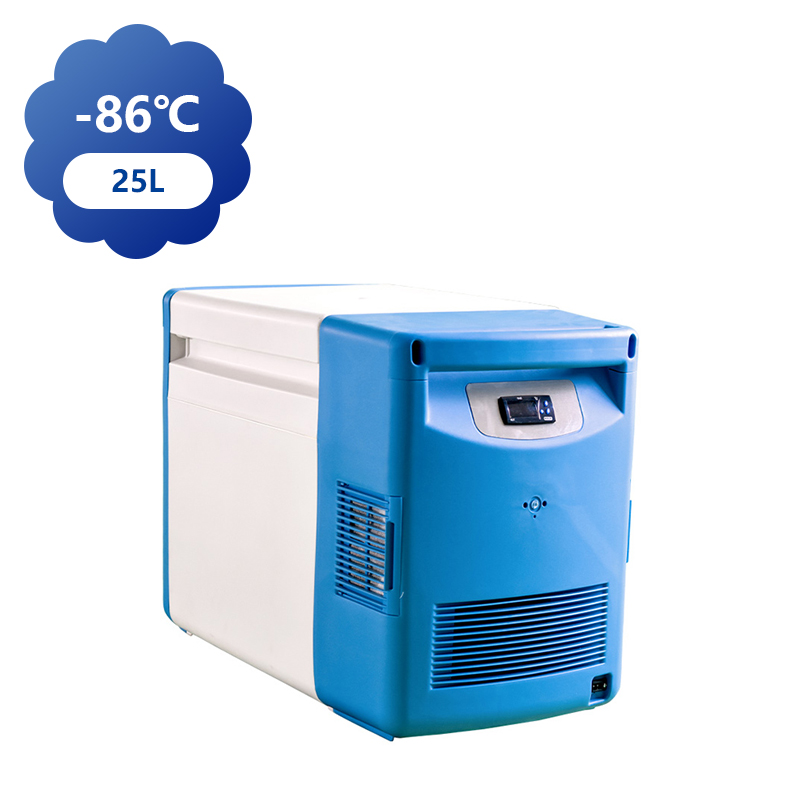
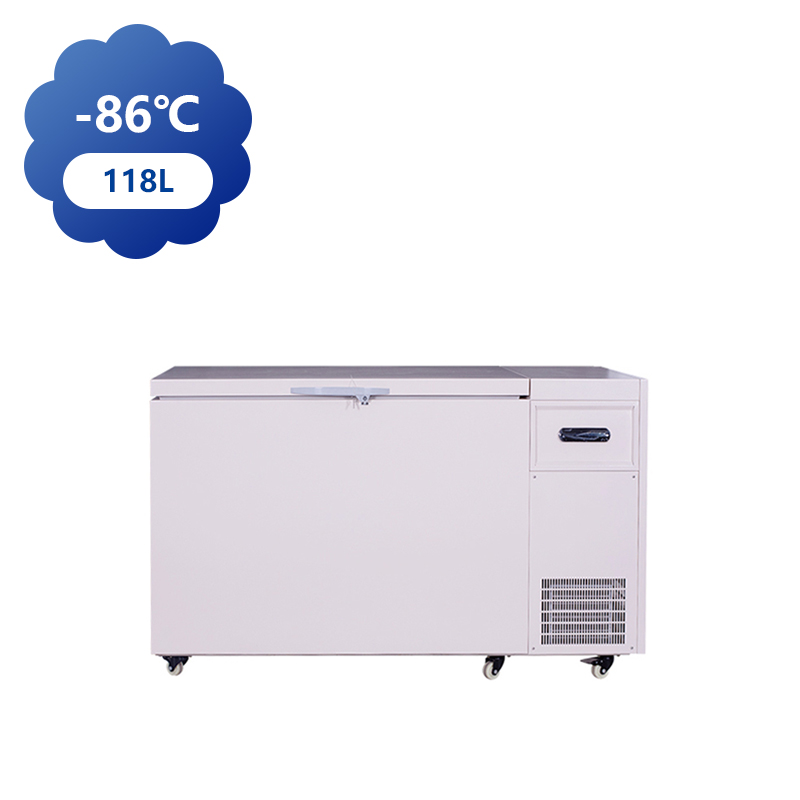
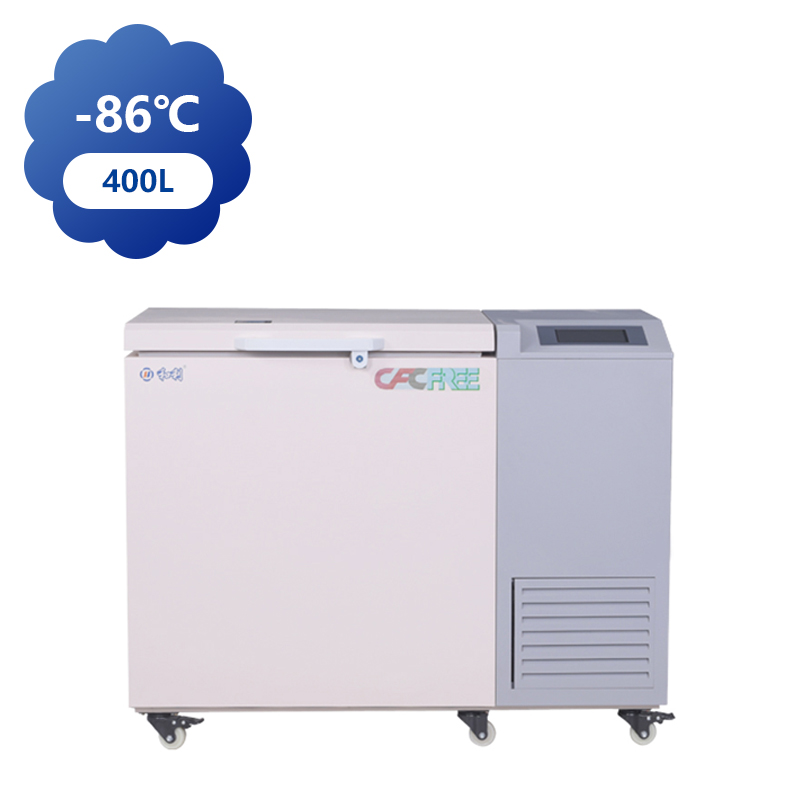



You can contact to me using this form.
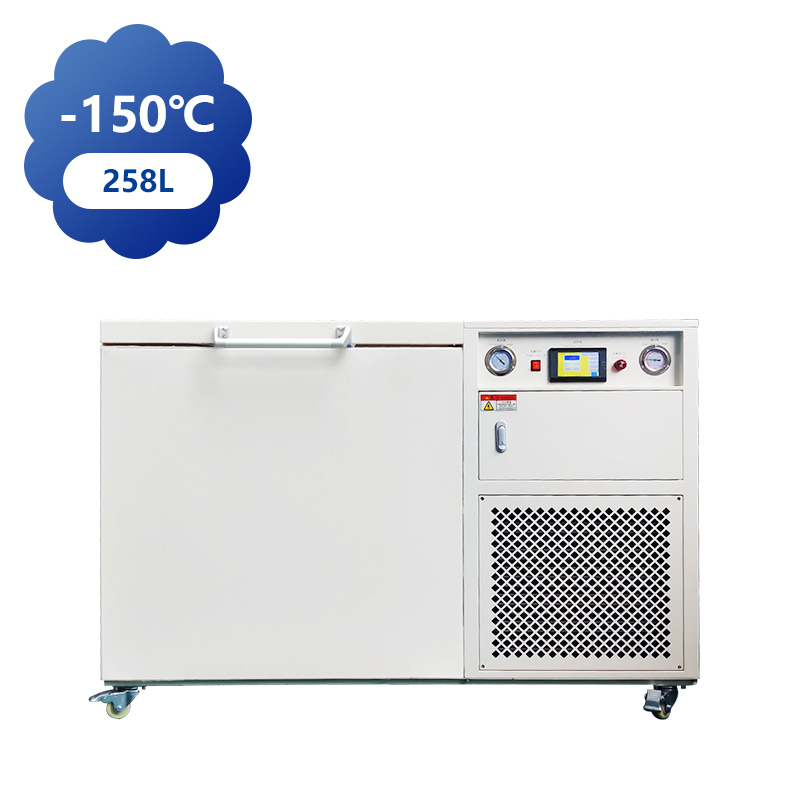
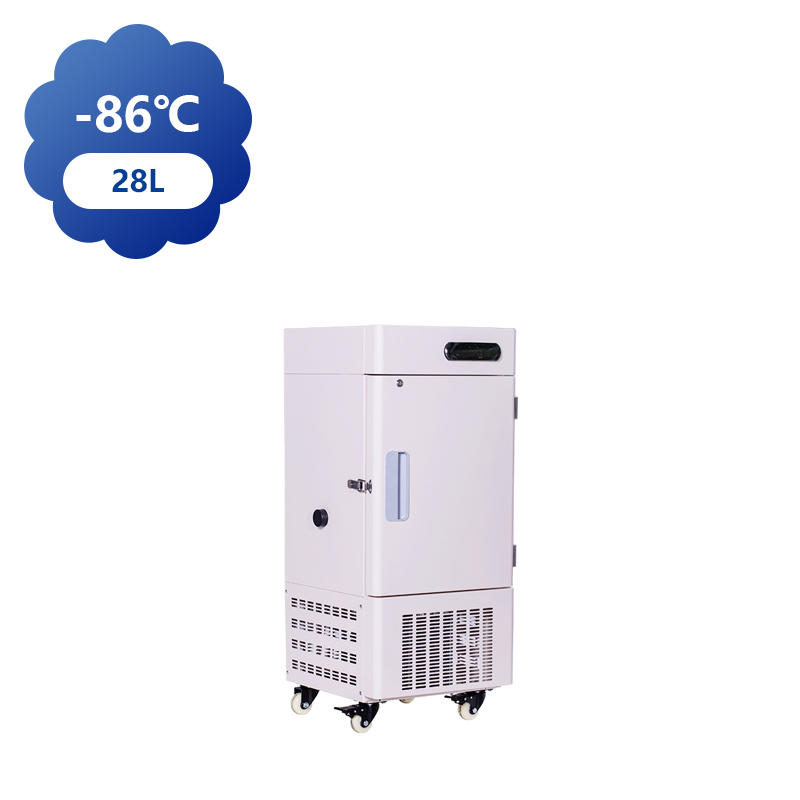
An ultra-low temperature freezer is expected to maintain a stable storage environment for valuable biological samples, vaccines, research materials, and other temperature-sensitive products. However, selecting the right equipment involves more than checking its temperature rating. In daily operation, users also need to consider what happens when the door is opened frequently, samples are added in batches, or the freezer experiences a temporary power interruption. For laboratories, hospitals, and biopharmaceutical facilities, understanding temperature recovery is an important part of evaluating an Ultra Low Temperature Freezer and protecting stored materials.

Why Temperature Recovery Deserves Attention
Every time a freezer door is opened, warmer ambient air enters the storage compartment. The internal temperature may fluctuate before the cooling system brings conditions back toward the set point. How the freezer responds depends on several factors, including insulation, cooling capacity, internal air circulation, door design, and the amount of material stored inside.
Frequent access can make this issue more noticeable in busy laboratories. Staff may retrieve samples several times during a shift, while research facilities may need to add newly prepared materials. Buyers should therefore evaluate the freezer under realistic operating conditions rather than relying only on a static temperature specification.
Look Beyond the Rated Storage Temperature
A product specification provides a starting point, but it does not explain every aspect of actual performance. Procurement teams should examine how temperature is monitored, displayed, and controlled during normal use.
When comparing models, consider the following features:
- Temperature control accuracy and monitoring arrangements
- Alarm functions for abnormal temperature conditions
- Door sealing and insulation construction
- Cooling system design and maintenance accessibility
- Data recording or remote monitoring options, where required
These details help buyers understand whether a freezer can support their laboratory procedures and internal sample-management requirements.
Door Design Can Influence Daily Efficiency
The door is an important part of the freezer's thermal protection system. Poor sealing, damaged gaskets, or incomplete closure can allow unwanted heat exchange and place additional demands on the cooling system.
For manufacturers, door structure and sealing quality deserve attention during product development and inspection. For buyers, practical details such as handle operation, gasket condition, access frequency, and the arrangement of inner compartments should be included in the evaluation.
A well-organized storage layout can also reduce the time staff spend searching for samples. Clear labeling and suitable racks help users retrieve materials efficiently without leaving the door open longer than necessary.
Consider Sample Loading and Storage Organization
Adding a large quantity of room-temperature materials can affect the internal thermal environment. The freezer may need time to bring newly loaded contents toward the required storage conditions. This is why loading procedures matter alongside equipment selection.
Laboratories should follow the manufacturer's recommendations for loading capacity, sample packaging, and storage arrangements. Avoiding blocked air passages and distributing materials appropriately can support more consistent operation.
For facilities handling different sample categories, buyers may also want to assess whether the freezer accommodates suitable racks, boxes, and inventory systems. Storage capacity is more useful when the available space can be organized around actual laboratory workflows.
Alarm and Monitoring Functions Support Risk Management
A temperature alarm is valuable because it alerts staff when operating conditions move outside an acceptable range. Depending on the model, monitoring options may include visual indicators, audible alarms, remote notifications, or temperature data recording.
Before purchasing, facilities should identify which functions are necessary for their procedures. A research laboratory with documented sample-management requirements may need different monitoring arrangements from a facility storing less critical materials.
It is also important to establish who receives alerts and how staff respond. Equipment alarms support risk management, but they do not replace routine inspections, backup procedures, or appropriate sample-handling protocols.
Plan for Power Interruptions and Maintenance
Power interruptions, component wear, and maintenance activities can all affect freezer operation. Buyers should ask manufacturers about recommended maintenance intervals, service access, spare parts, and available technical support.
Facilities should also develop contingency plans for unexpected equipment downtime. Depending on sample value and operational requirements, this may involve backup storage capacity, emergency transfer procedures, and clear staff responsibilities.
Regular inspection of door seals, alarm functions, temperature records, and the surrounding installation environment can help identify potential issues before they develop into larger operational problems.
Choose Equipment Around the Entire Storage Process
A suitable freezer should fit the facility's sample types, access frequency, storage volume, monitoring requirements, and maintenance capabilities. As an Ultra Low Temperature Freezer manufacturer, we believe equipment evaluation should consider the complete storage process rather than focusing on a single advertised specification. By discussing real operating conditions with the manufacturer before purchasing, overseas buyers can make a more informed selection and choose a freezer that supports reliable sample management over its intended service life.
