


 中文简体
中文简体 English
 Français
 عربى
عربى +86-15988502726(wechat)



You can contact to me using this form.
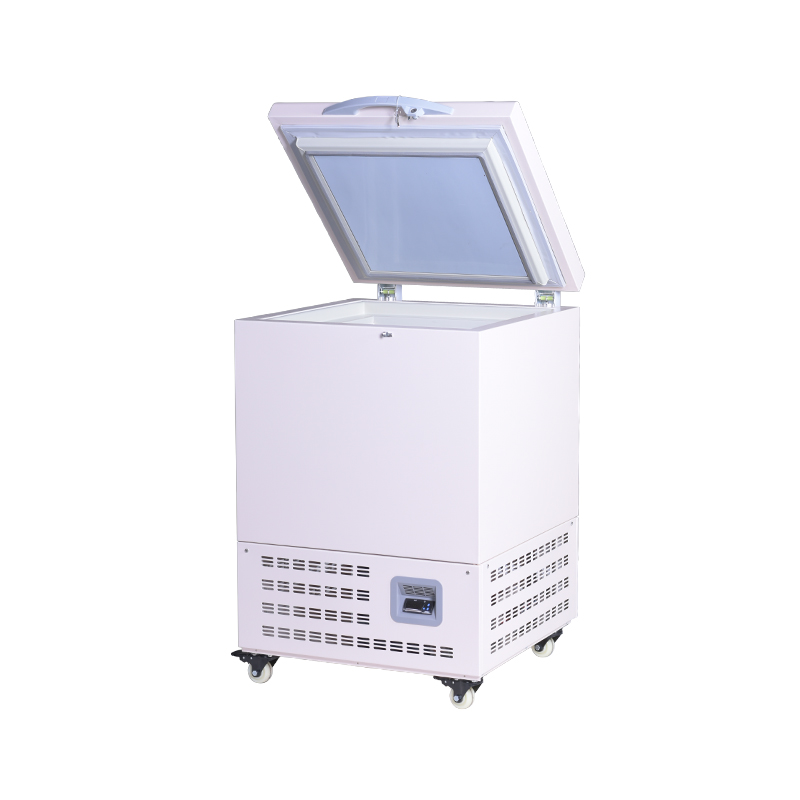
For pharmaceutical, biotechnology, clinical, and research facilities, purchasing an ultra-low temperature freezer involves more than confirming a target temperature. The equipment may need to fit internal quality procedures, installation requirements, calibration practices, and documentation processes before it can become part of a controlled storage system. For an Industrial ULT Freezer manufacturer, understanding these requirements during product development can make equipment selection and project implementation much easier for overseas buyers.
Qualification Starts Before Installation
A common mistake is to consider qualification only after the freezer reaches the laboratory. In reality, the process can begin during equipment selection. Buyers may need information about specifications, utilities, operating conditions, alarms, temperature control, and applicable documentation before approving a unit.
This is especially relevant for regulated environments, where qualification provides documented evidence that cold-storage equipment performs according to defined requirements.
Documentation Should Match the Equipment
Technical documentation is not simply an accessory to the product. Clear documents allow engineering, quality, and maintenance teams to understand how the freezer is designed and how it should be operated.
A manufacturer supporting international projects should be prepared to provide relevant technical information such as:
- Product specifications and operating parameters
- Installation and operating instructions
- Electrical and utility requirements
- Alarm and control descriptions
- Component information where applicable
- Factory inspection and testing records
The exact documentation package can vary according to the application and destination market, so requirements should be confirmed before production.
Temperature Mapping Gives Engineers More Information
A freezer display can show the programmed setpoint, but that value alone does not describe temperature conditions throughout the storage chamber. Temperature mapping can help identify variations at different locations inside the cabinet and provide useful information for qualification.
For manufacturers, cabinet airflow, insulation, refrigeration distribution, sensor positioning, and internal structure all influence the final temperature profile. Designing these elements together creates a stronger foundation for subsequent testing and validation.
Calibration Should Be Part of the Quality Discussion
Temperature measurement is central to ULT storage, which makes calibration an important consideration for laboratories operating under controlled procedures. Buyers may need to understand how sensors are checked, what reference equipment is used, and how calibration records are supplied.
Manufacturers can support this process by maintaining traceable production records and clearly identifying the measurement and control components used in the freezer. For projects with specific calibration requirements, these expectations should be discussed during the technical review rather than after delivery.
Alarms Need a Clear Response Strategy
An alarm is useful only when laboratory personnel can understand what has happened and respond appropriately. High-temperature warnings, door alarms, power-related alerts, and system fault indications can provide different types of information depending on the freezer design.
When developing an Industrial ULT Freezer, manufacturers should therefore consider alarm visibility and user interaction alongside the refrigeration system. Clear alarm descriptions and accessible controls can make it easier for laboratory teams to incorporate the freezer into their existing operating procedures.
Factory Testing Supports Project Acceptance
Factory testing provides an opportunity to identify equipment issues before shipment. Depending on the product and customer requirements, manufacturers may evaluate temperature performance, control functions, alarms, electrical characteristics, door sealing, and other key operating conditions.
For overseas OEM and project buyers, documented factory inspection can also simplify communication between the manufacturer, distributor, installation contractor, and end user. It gives the project team a clearer record of what was checked before the equipment left the factory.
Design With the Qualification Process in Mind
Qualification requirements should not force buyers to adapt their entire process around a freezer after installation. Instead, the equipment specification, documentation, testing, and intended application should be discussed as one project.
As an Industrial ULT Freezer manufacturer, we consider technical documentation and factory verification part of the product development process, particularly for customers serving pharmaceutical, biotechnology, clinical, and research applications. Early communication allows the freezer configuration and supporting documents to be aligned with the buyer's project requirements before production begins.
