


 中文简体
中文简体 English
 Français
 عربى
عربى +86-15988502726(wechat)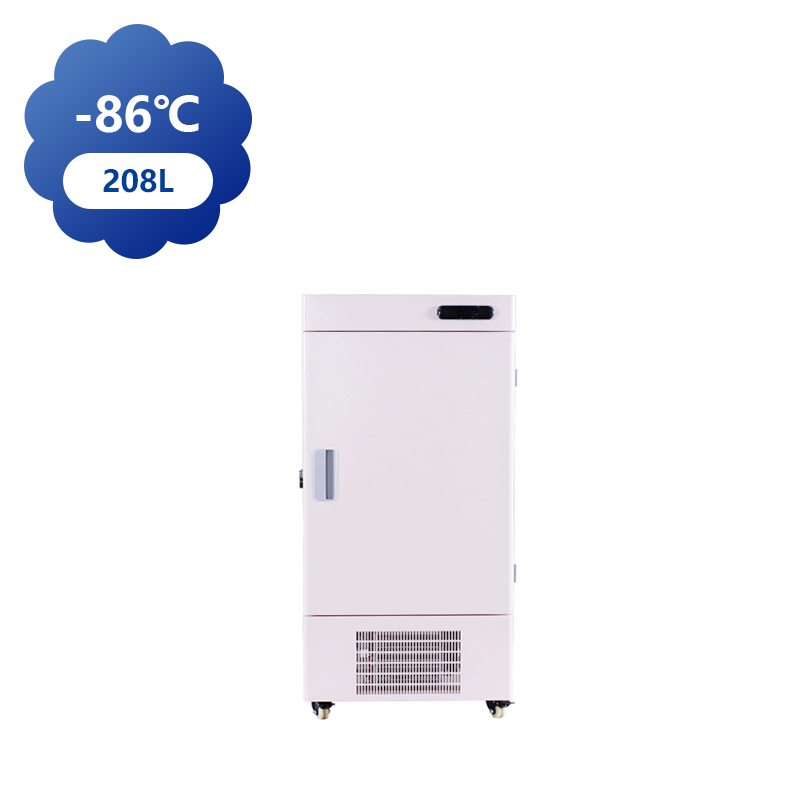
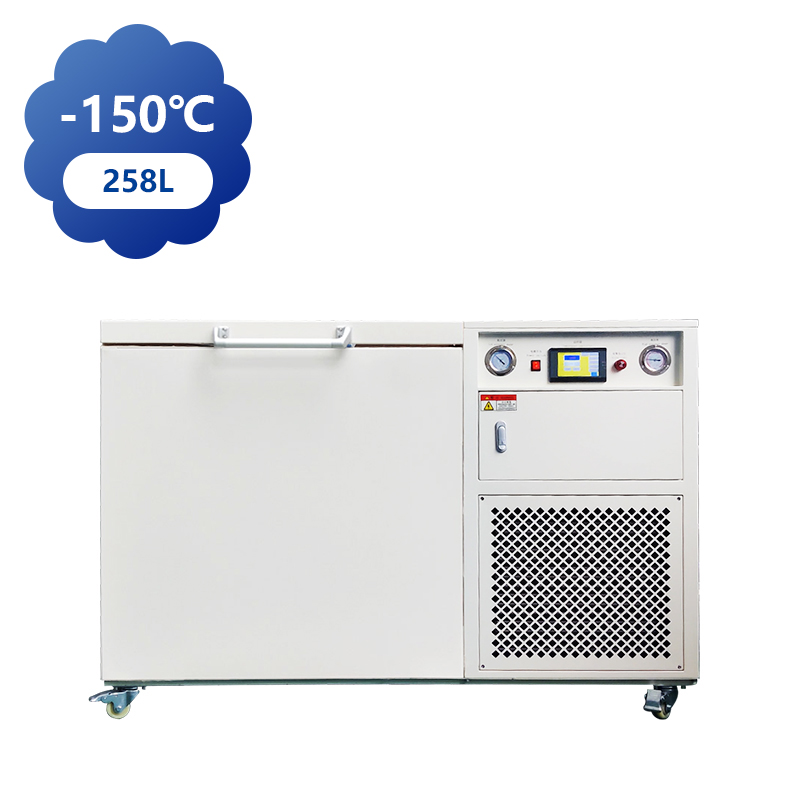
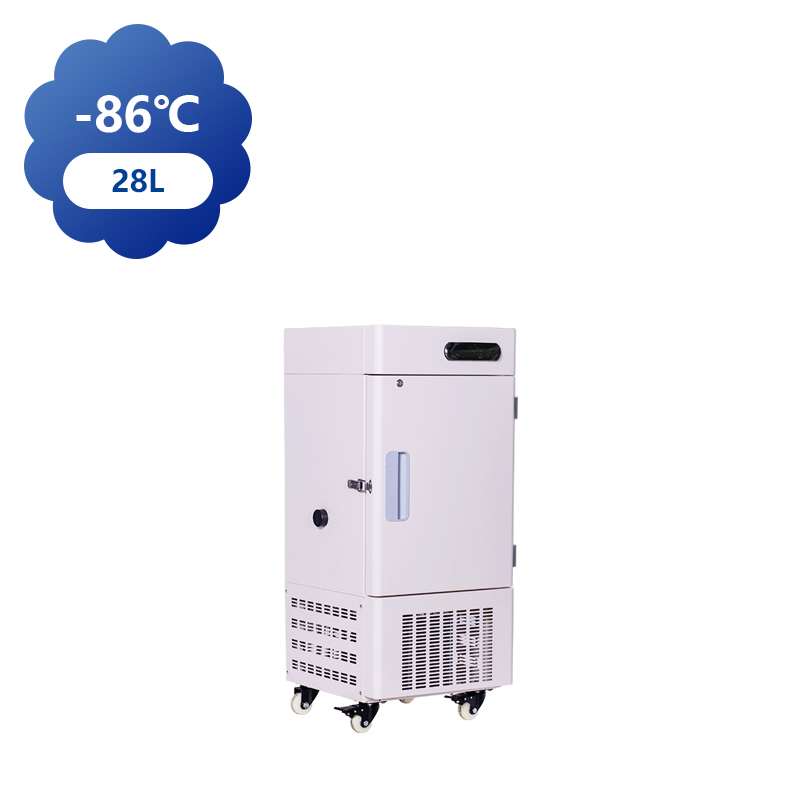



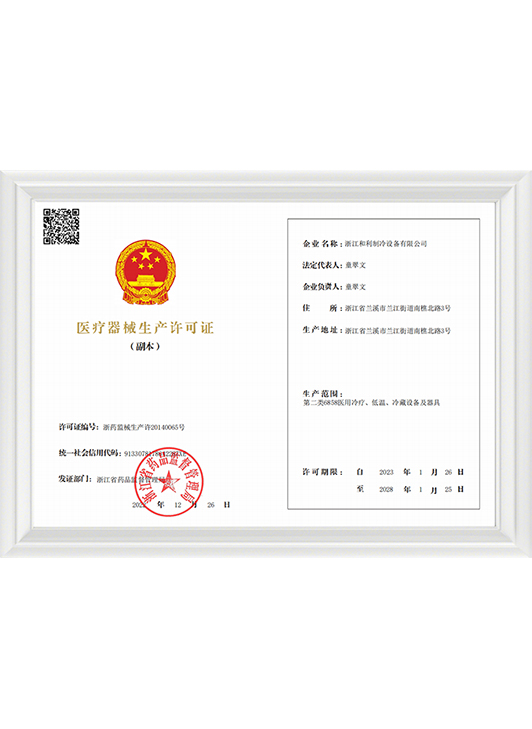
You can contact to me using this form.
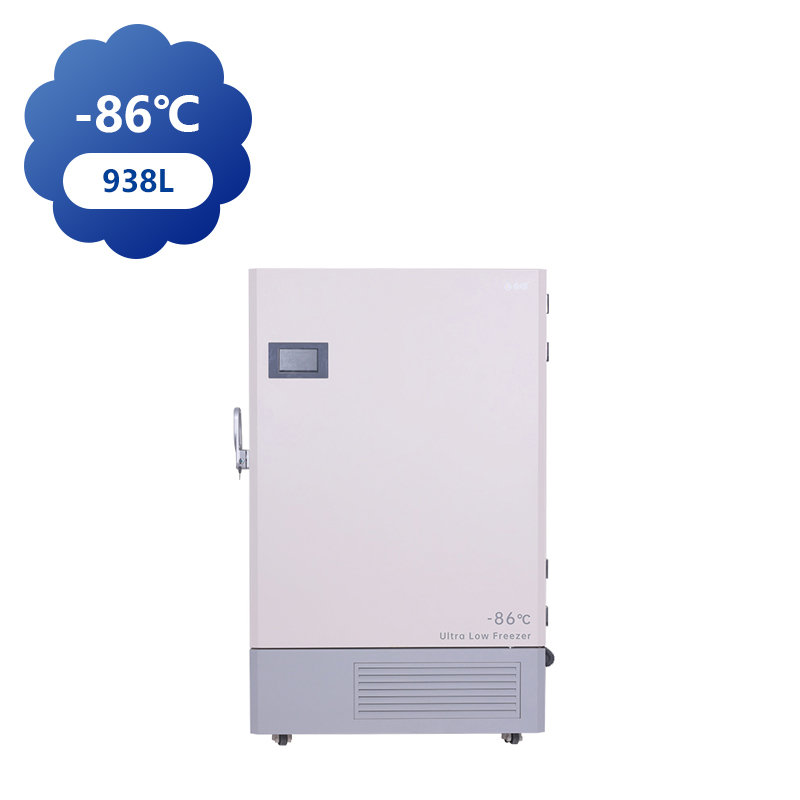
For laboratories purchasing ultra-low temperature equipment, the internal storage system is closely connected with the freezer itself. Sample boxes, racks, shelves, doors, and cabinet dimensions need to work together rather than being treated as separate accessories. This is particularly important for OEM projects, laboratory expansions, and equipment supplied for different sample formats. As an Industrial ULT Freezer manufacturer, we see internal configuration as an engineering consideration that should be addressed before production begins.
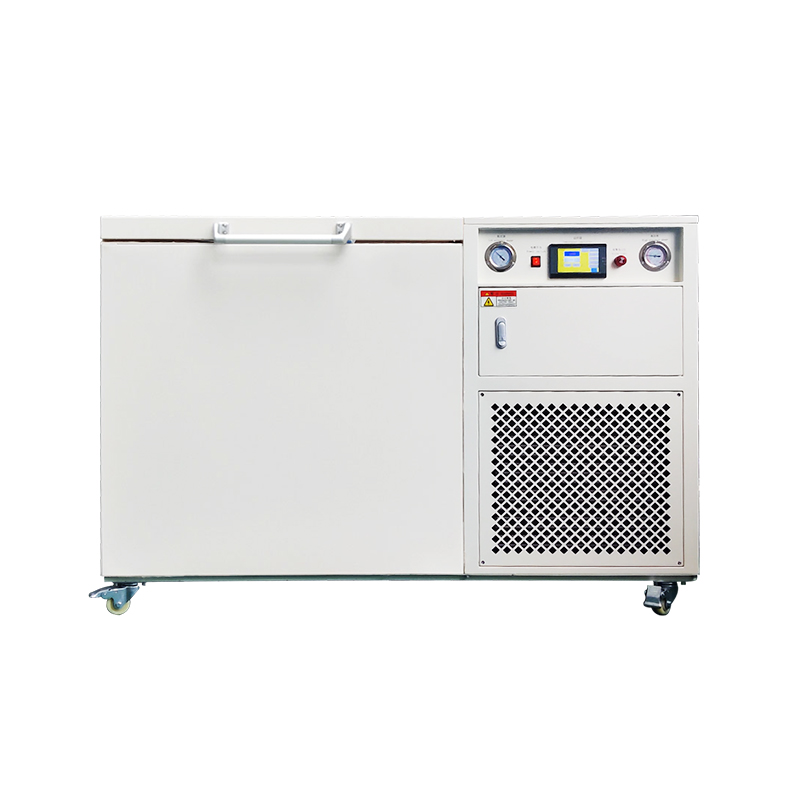
Storage Requirements Start With the Application
Different laboratories rarely have identical storage requirements. One facility may primarily use standard cryoboxes, while another may need space for vials, microplates, centrifuge tubes, or several formats within the same cabinet.
For manufacturers, understanding these requirements at the beginning of a project allows the internal cabinet layout to be evaluated alongside the refrigeration system. Rack dimensions, shelf positions, compartment height, and access direction can then be coordinated rather than selected independently after the freezer has been delivered.
Cabinet Geometry Influences Rack Selection
A rack may appear suitable based on external dimensions but still fail to make efficient use of the available cabinet space. Internal width, depth, height, shelf arrangement, and door structure all affect compatibility.
Commercial ULT solutions commonly provide different rack arrangements, including drawer-style and side-access configurations, because laboratories have different priorities for sample organization and retrieval.
For an equipment manufacturer, this means rack compatibility should be considered during cabinet design. A well-matched configuration can make better use of the available interior while keeping sample handling practical.
Customization Begins With Technical Information
A reliable custom freezer project should not start with a vague request for "more storage." Manufacturers need usable engineering information before developing a configuration.
Buyers can prepare:
- Sample container or cryobox dimensions
- Required rack quantity and arrangement
- Preferred access method
- Existing freezer or cabinet dimensions for replacement projects
- Expected sample categories and storage workflow
- Special requirements for labeling, handling, or security
This information gives the manufacturer a practical basis for evaluating whether a standard configuration is sufficient or whether a customized solution would provide a better fit.
Standard Models Still Need Flexible Options
Customization does not always mean redesigning the entire freezer. In many projects, the refrigeration platform and cabinet can remain standardized while the internal storage arrangement is adapted to the application.
This approach can be useful for distributors and laboratory equipment suppliers serving different customer groups. A common freezer platform with several compatible rack or shelf configurations can support different storage requirements without creating an entirely different product for every project.
From a manufacturing perspective, modular internal configurations can also simplify communication between the buyer, engineering team, and production department.
Design for Handling, Not Just Capacity
Maximum storage capacity is only one part of the equation. If racks are difficult to remove or samples are buried behind several layers of boxes, a highly dense arrangement may not provide the ideal practical result.
Drawer and side-access rack systems are increasingly used to make individual storage areas easier to reach while keeping other samples inside the freezer.
For manufacturers, the objective is to balance storage density with accessibility. The right solution depends on whether the freezer is intended mainly for long-term archiving, frequent research access, or mixed-use laboratory storage.
Engineering Coordination Reduces Project Risk
For overseas OEM and private-label buyers, internal configuration also affects production drawings, accessory selection, packaging, and final inspection. Changes made late in the manufacturing process can create unnecessary adjustments to multiple components.
A structured design review before production helps clarify important details such as cabinet dimensions, rack interfaces, shelf positioning, door clearance, and accessory requirements. It also gives buyers an opportunity to approve the proposed configuration before manufacturing begins.
Build the Storage System Into the Product
An Industrial ULT Freezer should be designed around the laboratory application rather than treated as a cabinet with accessories added afterward. Manufacturers with in-house engineering and production capabilities can coordinate refrigeration performance, cabinet construction, internal dimensions, rack compatibility, and customized configurations as one system.
For overseas procurement teams, discussing these requirements before production can make the final Industrial ULT Freezer more suitable for the intended workflow while giving distributors and OEM customers greater flexibility when developing their own laboratory cold-storage solutions.
