


 中文简体
中文简体 English
 Français
 عربى
عربى +86-15988502726(wechat)







You can contact to me using this form.
Selecting a medical refrigeration unit involves more than comparing storage capacity and exterior dimensions. Installation conditions, electrical requirements, temperature monitoring, and maintenance access can all affect how the equipment performs in daily use. For hospitals, blood storage facilities, laboratories, and medical equipment distributors, preparing these details before delivery can reduce installation difficulties and help ensure that the selected Blood Bank Refrigerator meets the facility's operational requirements. Manufacturers also need to understand the intended installation environment before confirming the final equipment configuration.
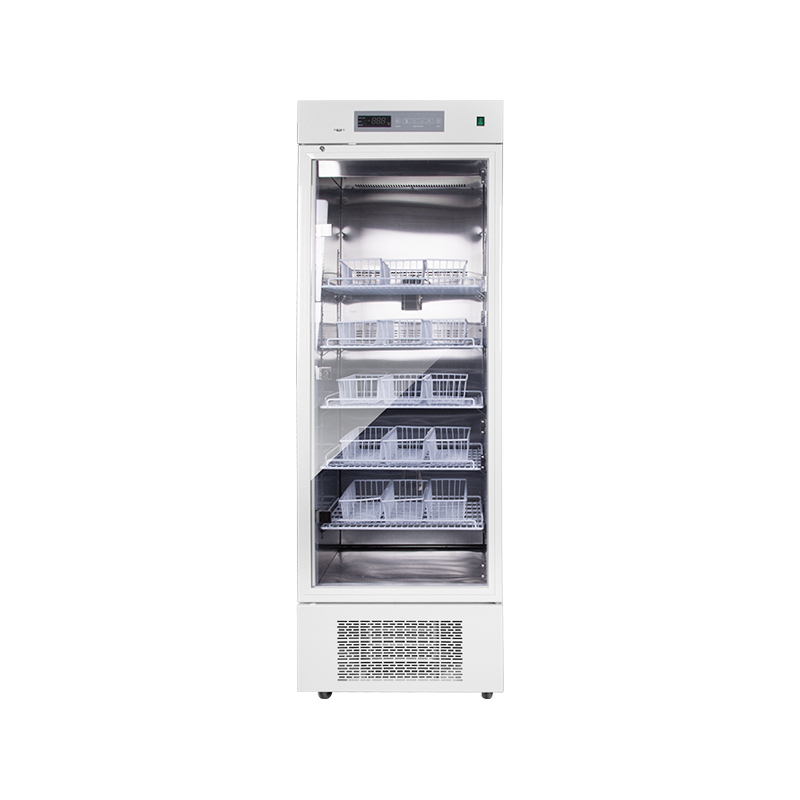
Confirm Storage Capacity and Inventory Needs
The stated capacity of a refrigerator does not always represent the amount of space available for practical storage. Internal shelves, drawers, airflow clearances, and container dimensions influence how stored materials can be arranged.
Buyers should estimate their normal inventory, expected changes in storage demand, and the types of containers used. The internal layout should allow staff to organize inventory without obstructing air circulation or making frequently accessed items difficult to retrieve.
From a manufacturing perspective, understanding these requirements helps determine whether a standard configuration is suitable or whether a different shelf arrangement is needed. The objective is to balance usable capacity with convenient handling and appropriate storage conditions.
Review the Installation Environment
The surrounding environment can influence refrigeration performance and maintenance convenience. Ambient temperature, ventilation, available floor space, and the location of nearby equipment should all be considered before installation.
A Blood Bank Refrigerator should be positioned according to the manufacturer's clearance and operating requirements. Placing equipment in a confined area without sufficient ventilation may affect heat dissipation and make maintenance more difficult.
Before delivery, buyers should confirm the installation location, access route, door clearance, and floor conditions. These checks are particularly important when replacing existing equipment or installing a unit in a room with limited space.
Verify Electrical Requirements in Advance
Electrical compatibility should be confirmed before the refrigerator reaches the facility. Differences in supply voltage, frequency, plug configuration, and local installation requirements can create avoidable delays if they are discovered after delivery.
Procurement teams should check the equipment nameplate and technical documentation against the available electrical supply. They should also confirm grounding requirements and any recommendations concerning circuit protection with qualified installation personnel.
Manufacturers should provide accurate electrical specifications for the selected model. Buyers sourcing equipment for different overseas markets should communicate the destination requirements early so that the appropriate configuration can be confirmed.
Check Temperature Monitoring and Alarm Settings
Temperature monitoring is a central part of blood storage management. Buyers need to understand how the refrigerator displays temperature, records changes, and alerts staff when operating conditions move outside configured limits.
Before acceptance, users should verify that the display, sensors, and available alarm functions operate as described in the product documentation. Where data recording or remote monitoring is required, compatibility and configuration should be confirmed before the order is finalized.
Alarm settings should follow the facility's applicable storage procedures rather than being selected without reference to the intended use. Clear instructions help staff understand what each warning means and how to respond.
Inspect the Equipment During Acceptance
An organized acceptance check helps identify visible damage, missing accessories, or configuration differences before the refrigerator enters routine service. The inspection should follow the manufacturer's documentation and the facility's procurement requirements.
Important items to review include:
- Model identification and rated electrical specifications
- External condition, door alignment, and seal condition
- Shelves, drawers, and supplied accessories
- Display, sensor, and alarm functions
- Availability of operating and maintenance documentation
- Initial operating performance under the prescribed test conditions
Temperature verification should follow the equipment's specified commissioning procedure. A single display reading should not be treated as proof of temperature uniformity or complete operational qualification.
Plan Maintenance Before Routine Use
Maintenance arrangements are easier to establish before the refrigerator becomes part of daily operations. Staff should know how to clean approved surfaces, inspect door seals, check alarms, and report abnormal temperature behavior.
Buyers should also review the recommended inspection schedule, service access, and availability of appropriate replacement components. These considerations can influence the long-term practicality of the equipment, especially in facilities where stored materials require continuous temperature control.
Manufacturers can support this process with clear documentation and consistent model specifications, helping users understand the responsibilities associated with operation and upkeep.
Make Installation Part of the Purchase Decision
Choosing a suitable Blood Bank Refrigerator requires coordination between storage needs, installation conditions, electrical compatibility, monitoring requirements, and maintenance planning. For overseas buyers, sharing these details with the manufacturer before ordering helps confirm the appropriate model and reduces the likelihood of avoidable installation problems. A well-prepared installation process provides a stronger foundation for reliable operation and the facility's blood storage procedures.
