


 中文简体
中文简体 English
 Français
 عربى
عربى +86-15988502726(wechat)





You can contact to me using this form.
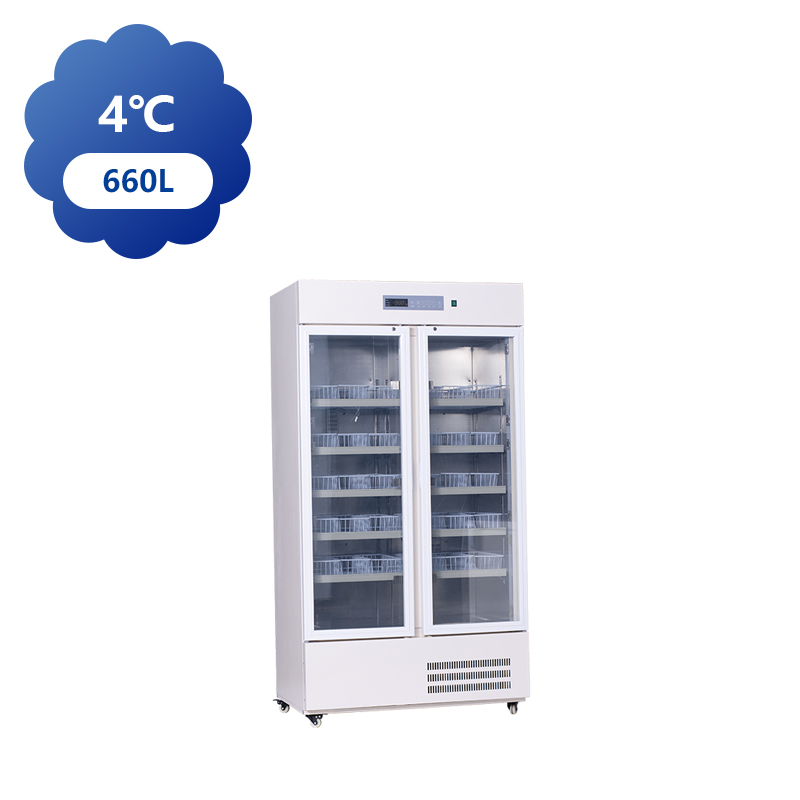
Blood storage requires carefully controlled conditions, dependable temperature monitoring, and clear procedures for responding to equipment problems. A refrigerator that appears to be operating normally may still need closer attention if temperature readings fluctuate, doors remain open too long, or alarms are not addressed promptly. For hospitals, blood centers, laboratories, and medical equipment distributors, choosing a suitable Blood Bank Refrigerator means looking beyond storage capacity. Temperature uniformity, monitoring functions, alarm design, and maintenance access all contribute to reliable daily operation.
Temperature Stability Matters More Than a Single Reading
A temperature display provides useful information, but one reading cannot fully describe conditions throughout a storage chamber. Frequent door opening, uneven loading, and differences in airflow can affect how quickly the refrigerator returns to its intended temperature range.
When evaluating a Blood Bank Refrigerator, buyers should review the specified operating range, temperature uniformity, recovery performance, and monitoring arrangements. Manufacturers should assess these factors under defined test conditions and explain how the equipment is intended to be loaded and operated.
Clear operating instructions also help users understand how to arrange stored materials without unnecessarily obstructing airflow. Proper loading practices and routine monitoring work together with the refrigerator's temperature-control system.
Alarm Functions Need to Support Timely Action
An alarm is useful only when staff can recognize the warning and respond appropriately. Temperature deviations, power interruptions, and door-opening events may require different responses depending on the equipment's configuration and the facility's procedures.
During procurement, buyers should examine which alarm conditions the refrigerator can detect, how warnings are communicated, and whether alarm settings can be configured according to documented requirements. Audible and visual alerts may support local response, while remote alarm capabilities can be valuable where the selected model provides them.
Manufacturers should describe alarm functions accurately and explain their limitations. Healthcare facilities should also establish procedures for acknowledging alarms, checking the cause, and protecting stored blood components when necessary.
Monitoring Records Help Explain Temperature Events
Temperature records can help staff identify recurring operating problems and review whether storage conditions remained within the required range. They are particularly useful when investigating unexpected temperature changes or assessing equipment performance over time.
Buyers should consider whether the refrigerator supports continuous monitoring, data recording, export functions, or connection to an external monitoring system. These capabilities vary by model and should be confirmed before purchase.
Useful questions for procurement teams include:
- How frequently are temperature readings recorded?
- Can historical records be reviewed or exported?
- Are sensor locations and measurement methods documented?
- What happens to recorded data during a power interruption?
- Can monitoring functions support the facility's recordkeeping procedures?
These details help buyers assess whether the equipment fits their operational and documentation requirements.
Interior Design Influences Daily Handling
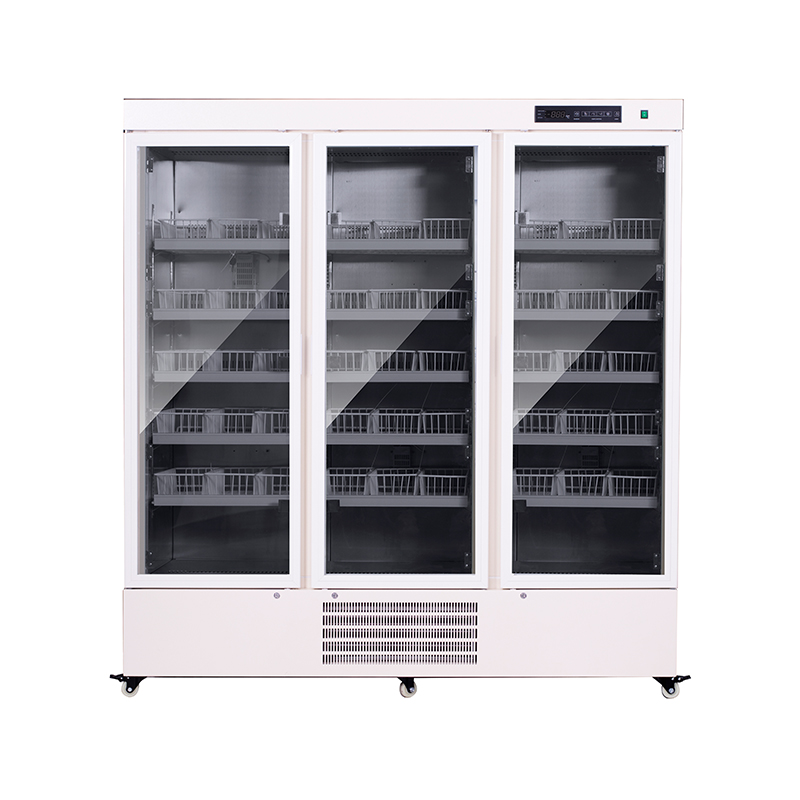
A refrigerator's internal arrangement affects how staff organize inventory, access stored items, and maintain the chamber. Shelves, drawers, and storage compartments should suit the types of blood products and containers intended for use.
Overloading shelves or blocking air circulation can interfere with temperature distribution. A practical design should make inventory organization straightforward while allowing users to clean and inspect accessible surfaces.
For manufacturers, internal layout should balance usable capacity with airflow and ease of maintenance. Buyers should evaluate the actual storage configuration rather than selecting equipment based only on its advertised volume.
Power Interruption Planning Is Essential
Electrical interruptions can affect refrigeration performance, making contingency planning an important part of blood storage management. Facilities should understand how the selected refrigerator behaves during a power failure and what steps are needed to protect stored materials.
Depending on the model, available functions may include power-failure alarms or temperature monitoring that helps staff assess changing conditions. Buyers should verify the equipment's documented capabilities and determine whether the facility needs a separate backup power arrangement.
Manufacturers should provide clear information about electrical requirements, alarm behavior, and restart procedures. The facility remains responsible for establishing an appropriate response plan for power interruptions and temperature excursions.
Maintenance Supports Long-Term Performance
Temperature-control equipment needs regular inspection to identify issues before they disrupt routine operation. Door seals, sensors, fans, condensate management components, and other accessible parts may require checks according to the equipment design and maintenance instructions.
A suitable maintenance plan should define inspection frequency, cleaning methods, alarm checks, and procedures for reporting faults. Service access also matters because difficult-to-reach components can make routine work more complicated.
Manufacturers can support users through clear documentation, accessible component design, and consistent production inspection. Buyers should review maintenance requirements and the availability of appropriate technical support before confirming an order.
Choose Equipment Around Storage Requirements
A reliable Blood Bank Refrigerator should match the facility's storage needs, monitoring procedures, alarm-response process, and maintenance capabilities. For overseas healthcare buyers and medical equipment distributors, discussing required temperature conditions, usable capacity, data-recording needs, and power-contingency arrangements with the manufacturer helps clarify the appropriate configuration. Careful evaluation before purchase supports more informed equipment selection and helps facilities establish dependable blood storage practices.
