


 中文简体
中文简体 English
 Français
 عربى
عربى +86-15988502726(wechat)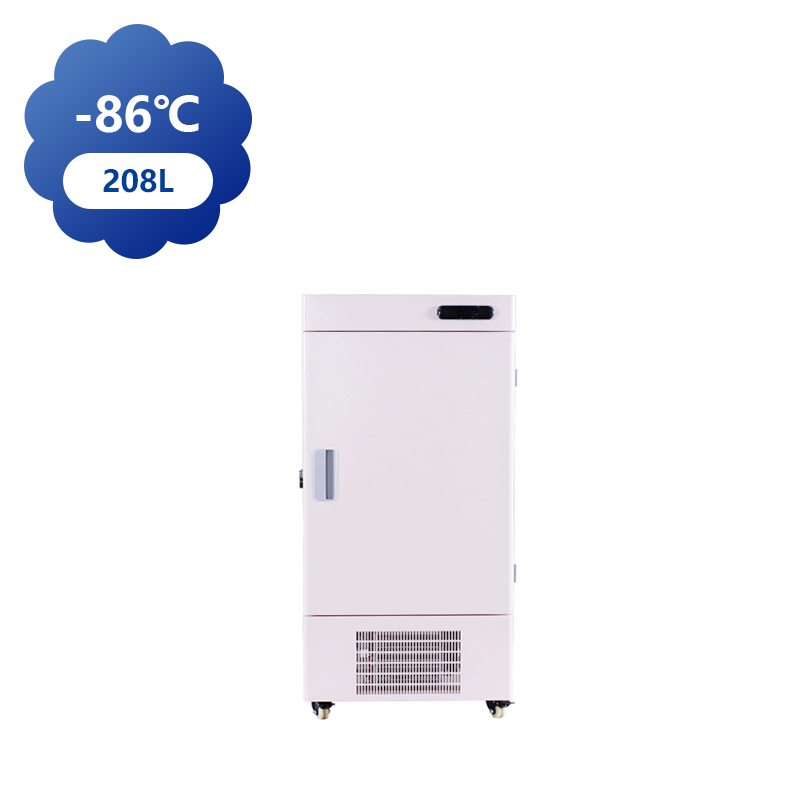



You can contact to me using this form.
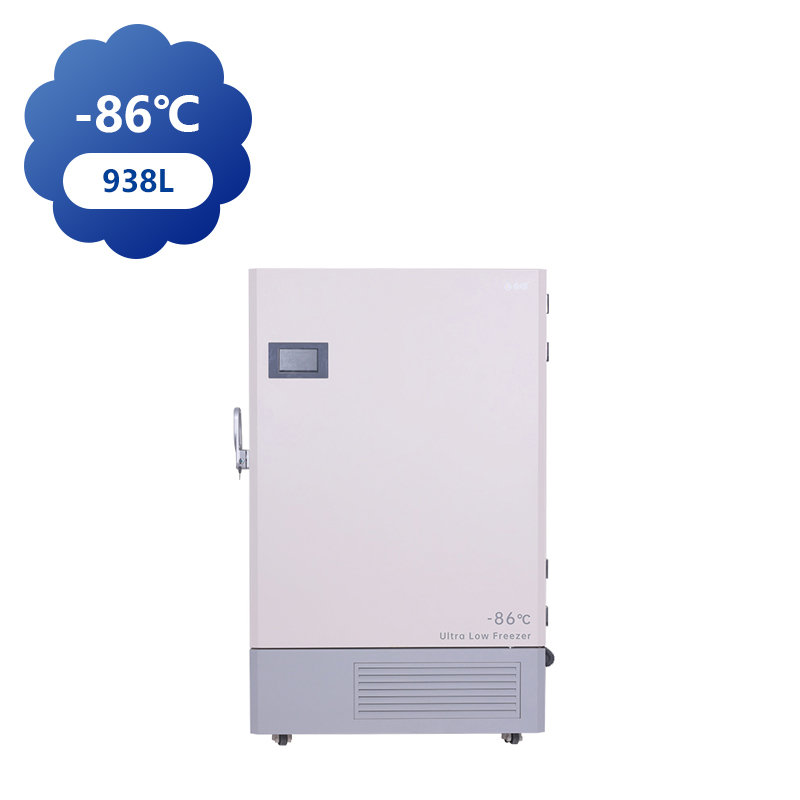
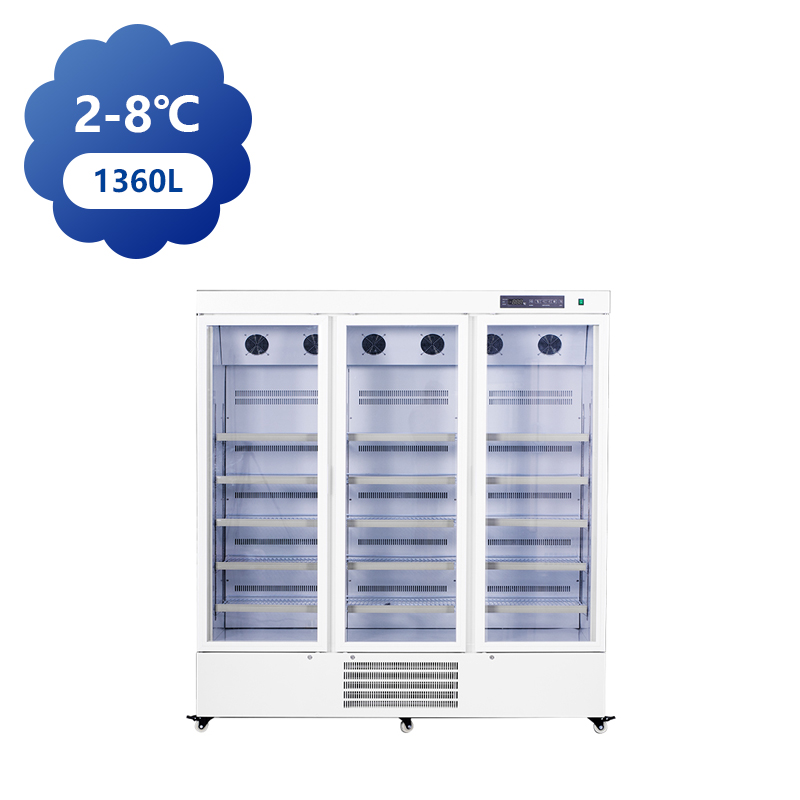
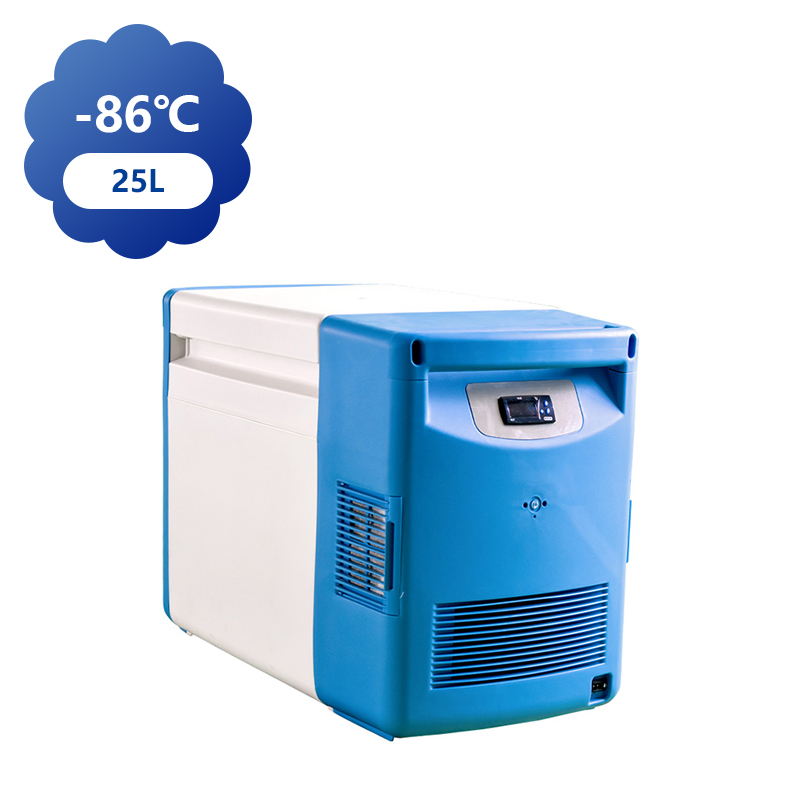
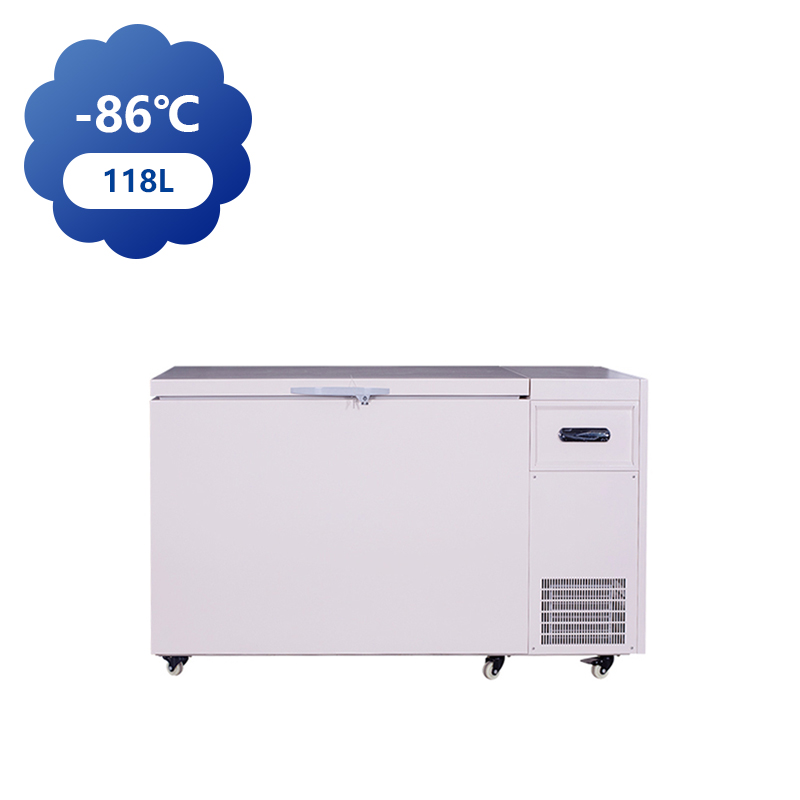
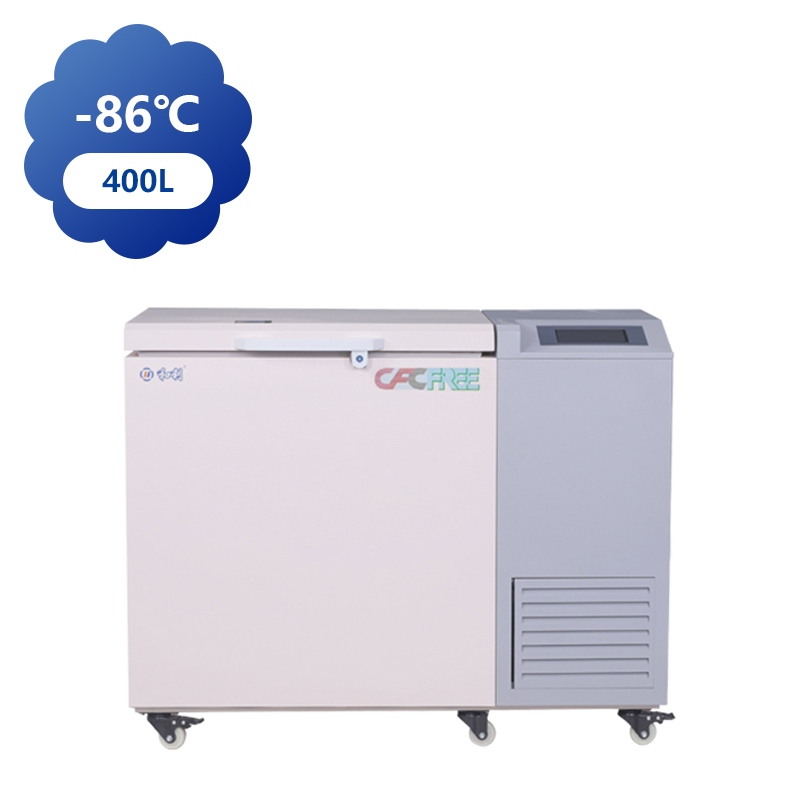
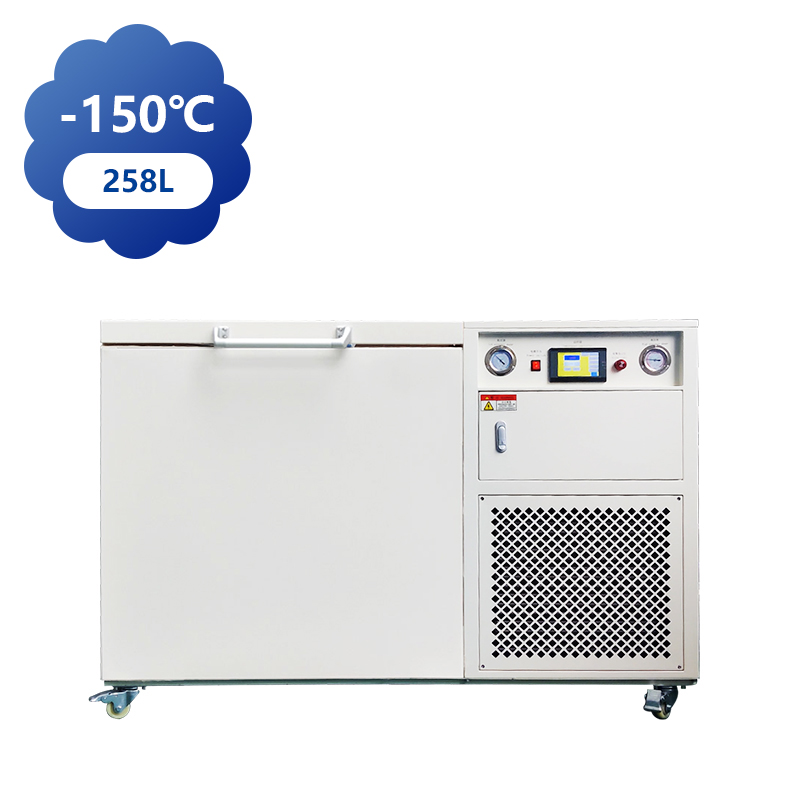
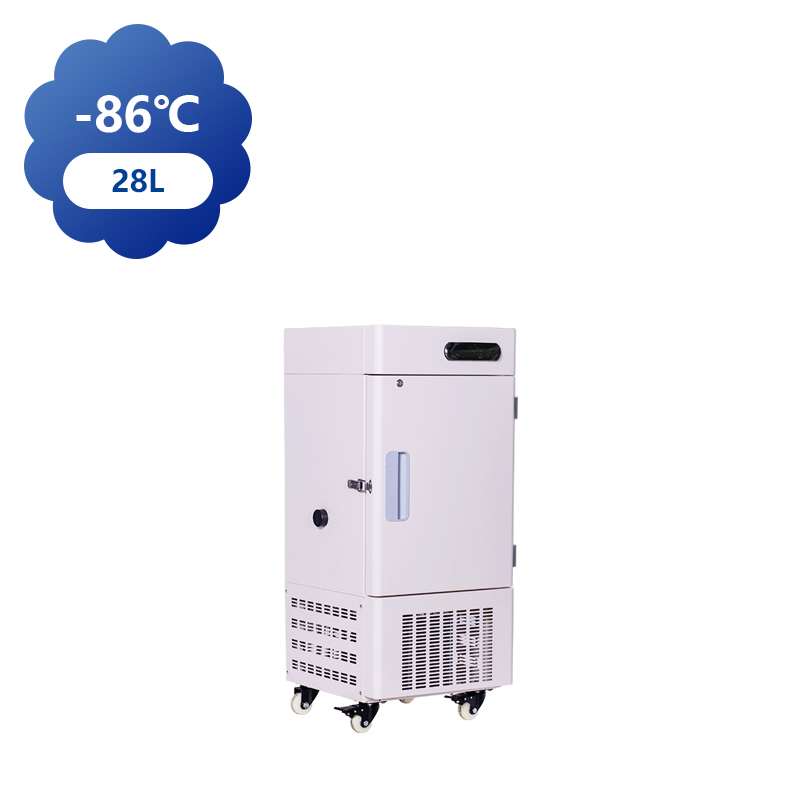
Stable temperature control remains one of the main concerns for laboratories storing biological materials. Vaccines, enzymes, plasma samples, and long-term research specimens often require extremely cold environments for preservation. An Ultra Low Temp Freezer is typically designed to operate near −80 °C, while a larger Industrial ULT Freezer may be installed in centralized laboratories or research facilities to support higher storage volumes.
Despite their advanced refrigeration systems, laboratory technicians often ask whether these freezers can truly maintain a consistent temperature during daily use. Discussions in laboratory forums and technical guides frequently focus on temperature fluctuations caused by door openings, sample loading, and environmental conditions. Understanding these factors can help laboratories maintain stable storage conditions.
Why Temperature Stability Matters
Maintaining a stable ultra-low temperature environment helps preserve the structural integrity of biological samples. Even small temperature variations may gradually affect certain sensitive materials.
Technical guidelines highlight that performance indicators such as temperature uniformity, warm-up time, and recovery time after door opening are key factors that influence sample preservation during daily operation.
Stable performance ensures that stored samples remain within a safe temperature range throughout the entire storage chamber.
Temperature Recovery After Door Opening
One of the more common causes of temperature fluctuation occurs during routine access to stored samples. Every time the freezer door opens, warm air from the laboratory enters the chamber and temporarily raises the internal temperature.
Research and equipment specifications show that recovery time can vary depending on freezer size and environmental conditions. Some models require approximately 16 to 35 minutes to recover to −75 °C after the door has been opened.
Other equipment guides indicate that even short openings can require around 10 minutes or more for the freezer to return to its set temperature.
This recovery period is a normal part of freezer operation. The refrigeration system works continuously to restore the setpoint temperature after each disturbance.
Temperature Uniformity Inside the Storage Chamber
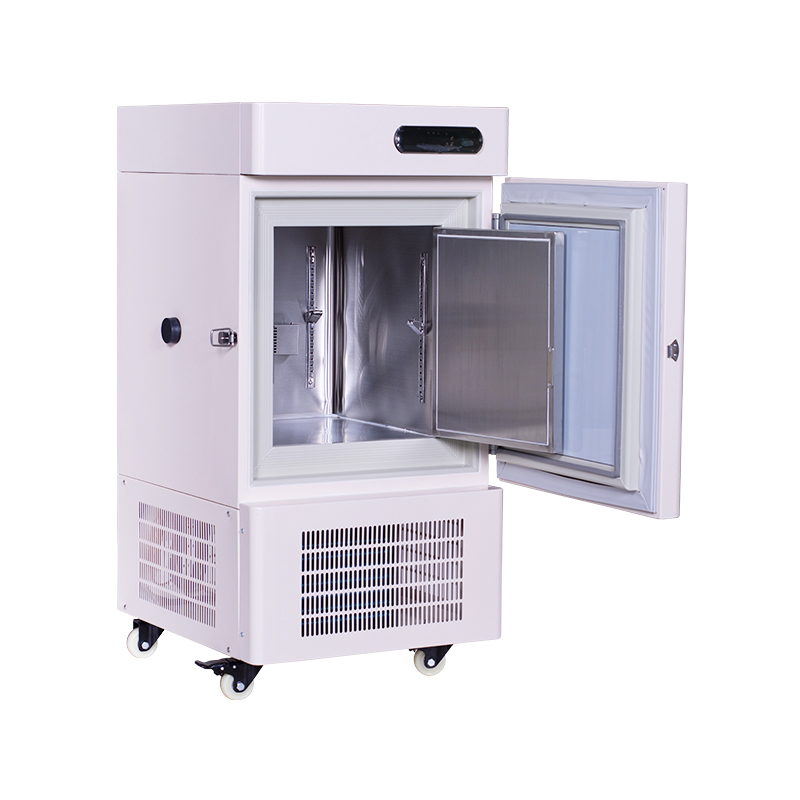
Another important factor influencing stability is temperature distribution within the freezer cabinet. The internal environment of an ultra-low freezer is not always perfectly uniform.
Studies indicate that temperature variation within the storage chamber may remain within a few degrees of the setpoint, depending on equipment design and airflow.
Certain design characteristics influence this uniformity:
Air circulation systems that distribute cold air evenly
Inner doors that reduce cold air loss during access
Proper spacing between storage boxes and racks
Balanced airflow across shelves
Cold-wall freezer designs without active air circulation can sometimes create temperature gradients, where areas near the walls remain colder than central shelf positions.
Laboratories often store highly sensitive materials in central storage zones to minimize exposure to potential temperature variation.
Operational Factors That Influence Stability
Several daily operational habits may affect how stable the freezer temperature remains.
1. Frequency of Door Access
Repeated door openings introduce warm air into the chamber. Frequent access can cause temporary temperature spikes and longer recovery times.
2. Storage Density
Overloading the freezer can restrict airflow between sample containers. Limited air circulation may create warmer spots within the cabinet.
Proper storage racks and organized box systems help maintain airflow and improve overall temperature consistency.
3. Environmental Temperature
The ambient temperature of the laboratory also plays a role. Higher room temperatures increase the cooling workload and extend recovery time after door openings.
Maintaining a stable room environment helps support consistent freezer operation.
4. Equipment Maintenance
Routine maintenance ensures that cooling components perform correctly. Dust-blocked condenser filters, damaged gaskets, or poorly calibrated sensors can affect temperature stability and overall efficiency.
Monitoring Systems Help Protect Samples
Modern laboratory freezers often include built-in monitoring features to detect temperature deviations. These systems may include:
Audible and visual alarms
Remote monitoring contacts
Temperature recording systems
sensor fault alerts
Alarm systems are particularly important because they notify laboratory staff when the internal temperature moves outside a safe range.
Continuous monitoring provides additional protection for long-term stored materials.
Practical Ways to Improve Temperature Stability
Laboratories can adopt several simple practices to improve freezer performance:
Organize samples clearly
Labeling and structured storage reduces the time required to locate materials.
Limit door-open duration
Closing the door quickly minimizes the amount of warm air entering the chamber.
Avoid overcrowding the cabinet
Proper spacing between storage containers helps maintain airflow.
Maintain stable room conditions
Controlled laboratory temperature and humidity support freezer efficiency.
Schedule regular maintenance checks
Cleaning filters and inspecting seals helps prevent performance issues.
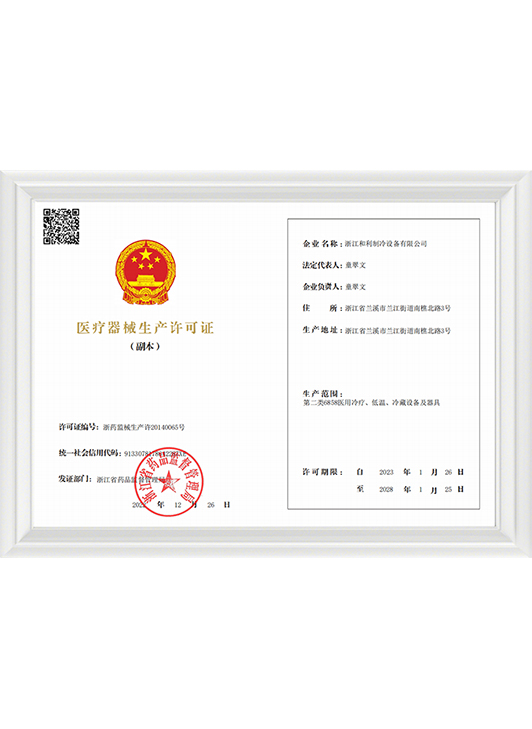
Manufacturers such as Zhejiang Heli Refrigeration Equipment Co., Ltd. continue to refine freezer designs by improving insulation systems, refrigeration cycles, and monitoring technologies to support more stable ultra-low temperature environments.
Supporting Reliable Sample Preservation
Temperature stability is a fundamental requirement in laboratories storing sensitive biological materials. A well-designed Ultra Low Temp Freezer can maintain consistent conditions when used with proper operating practices and routine maintenance.
In facilities that manage large storage volumes, an Industrial ULT Freezer provides the capacity and reliability needed for long-term sample preservation. Combined with organized sample management and effective monitoring systems, these freezers can support stable cold storage environments for scientific research and medical applications.
