


 中文简体
中文简体 English
 Français
 عربى
عربى +86-15988502726(wechat)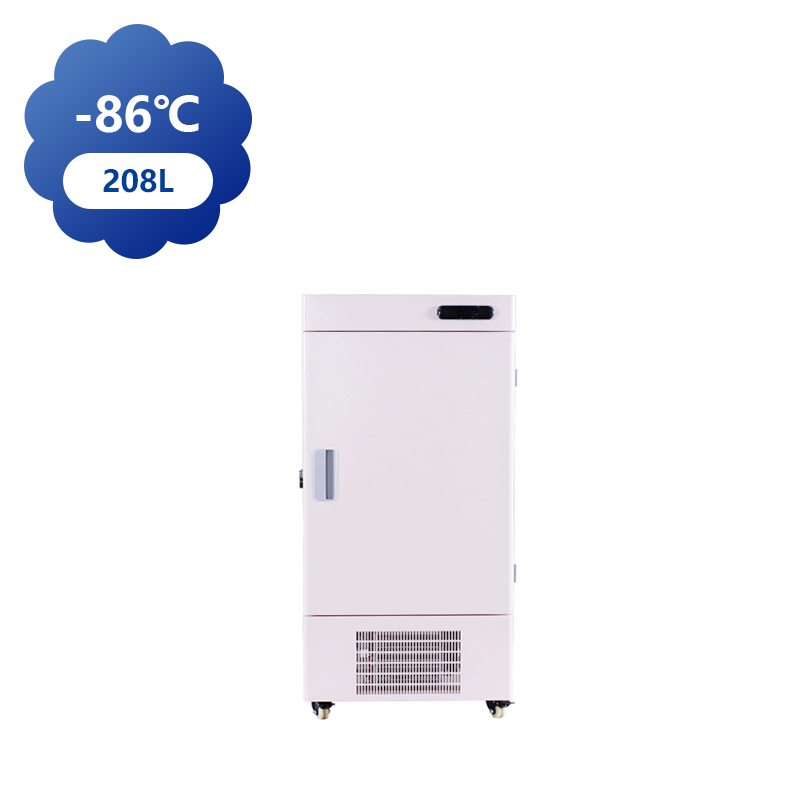



You can contact to me using this form.
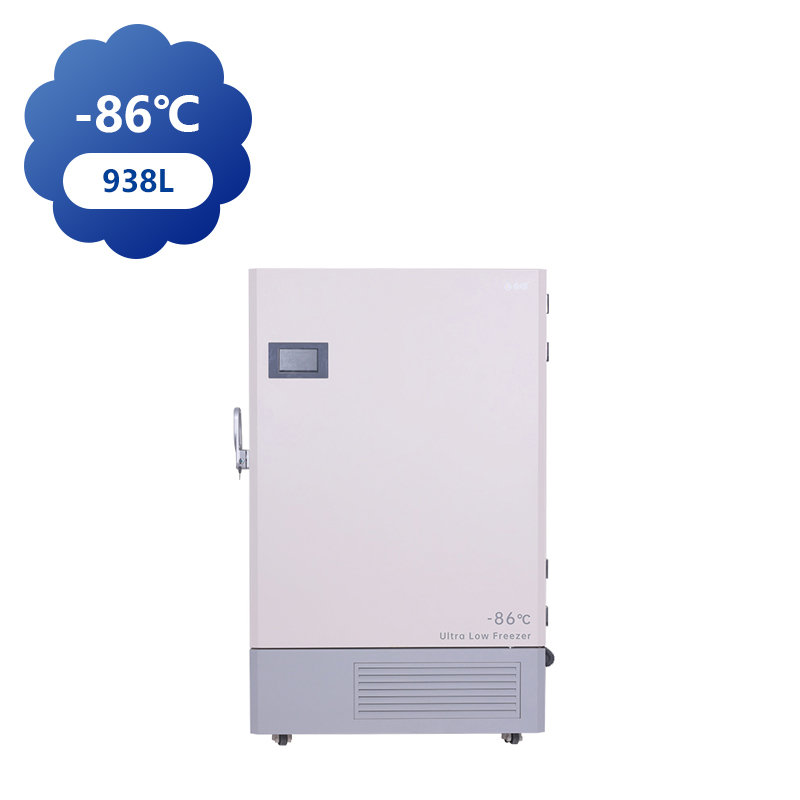
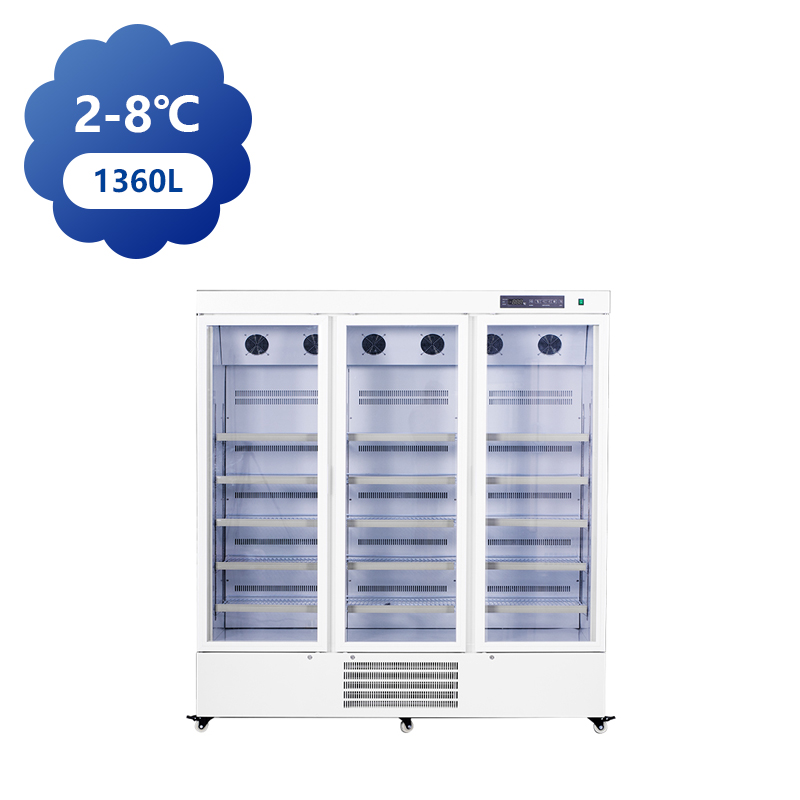
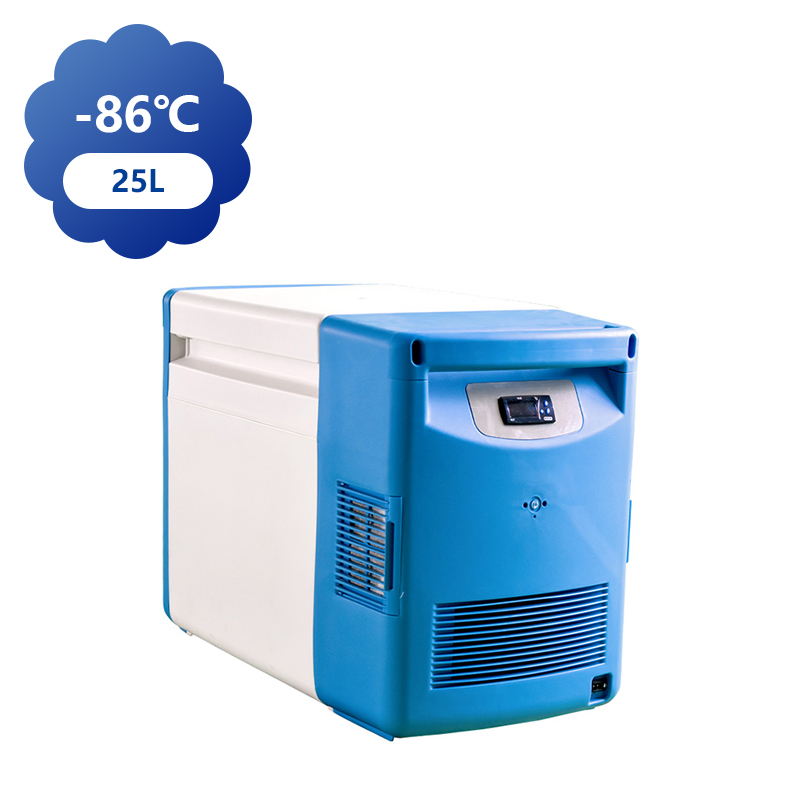
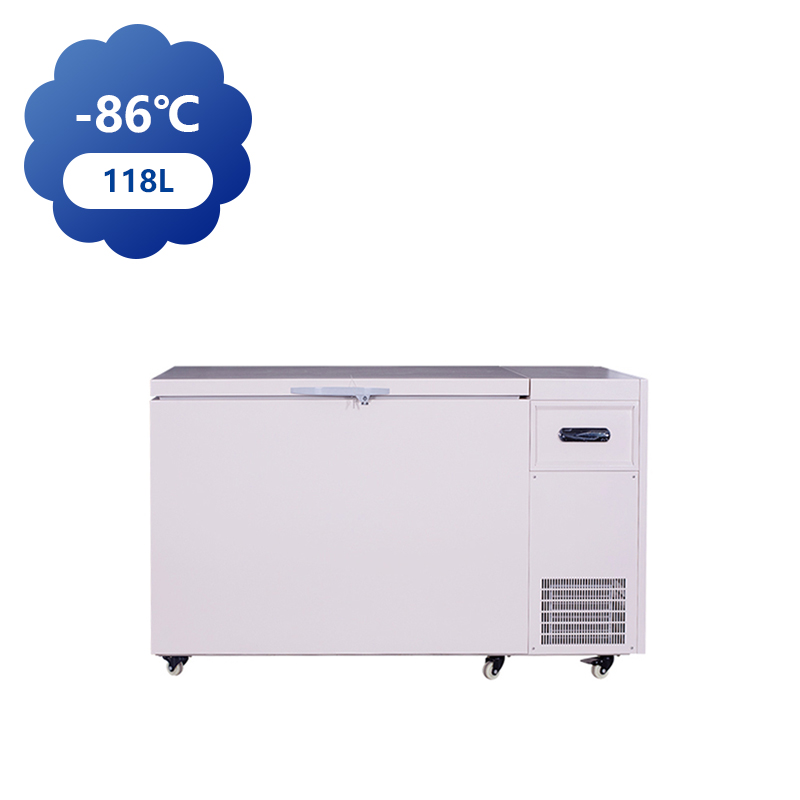
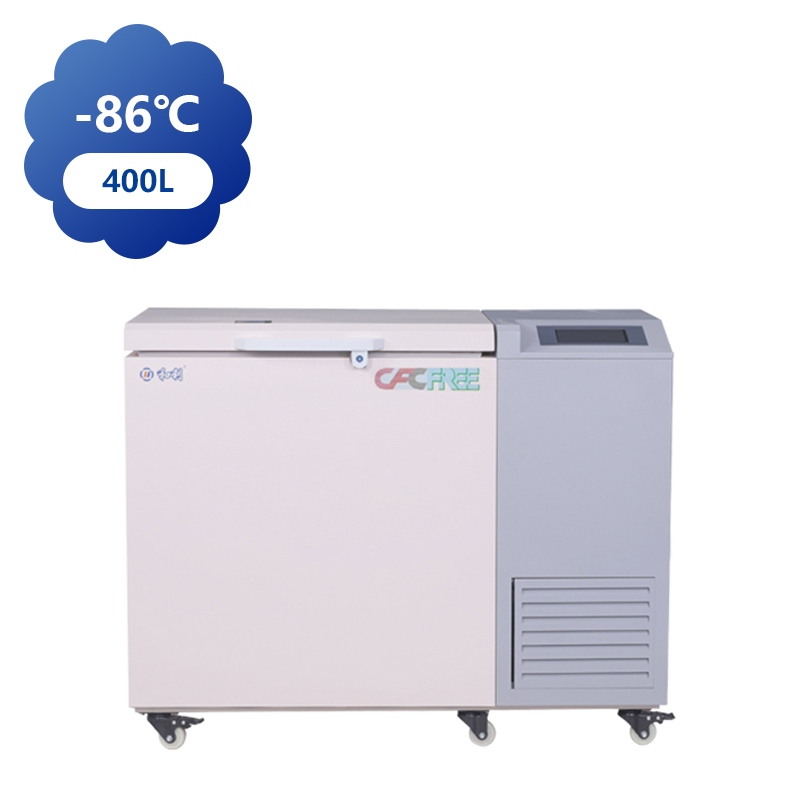
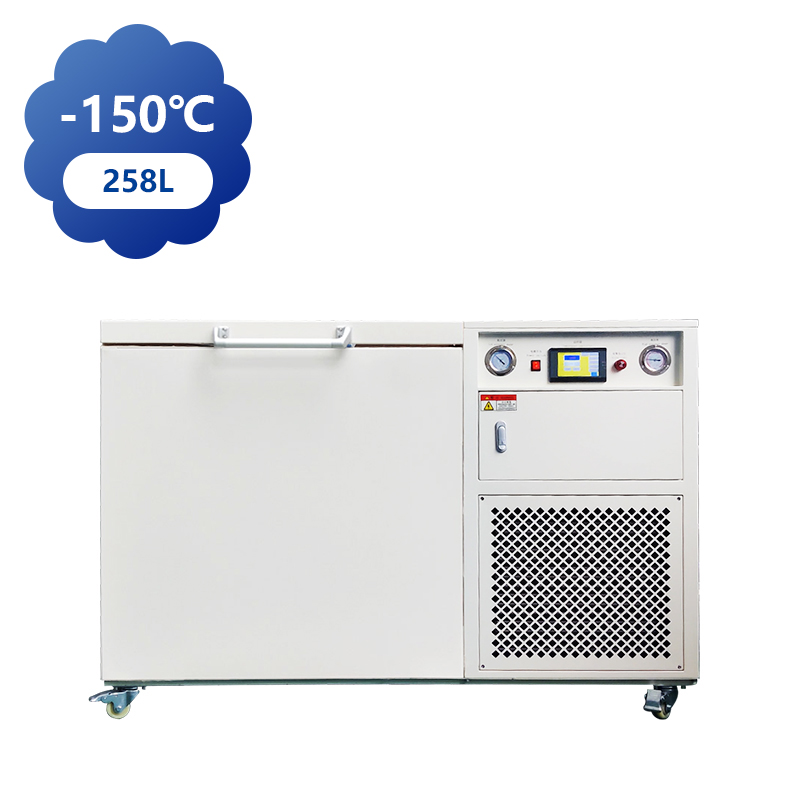
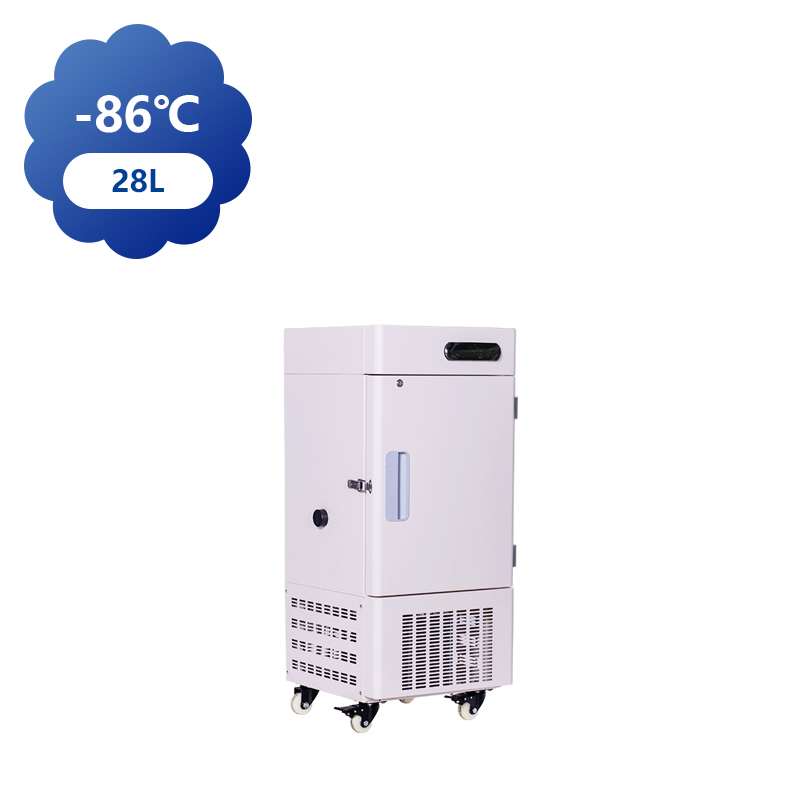
Daily laboratory work often requires repeated access to stored biological samples. Researchers retrieving specimens, reagents, or archived materials may open a freezer dozens of times throughout the day. An Industrial ULT Freezer is commonly installed in facilities that manage large sample inventories, while an Ultra Low Temp Freezer is widely used in laboratories that require storage temperatures near −80 °C.
Frequent door opening raises a common question among laboratory staff: can these ultra-low temperature systems maintain reliable performance during heavy daily use? Understanding how door openings affect temperature stability and recovery time helps laboratories manage freezer access more efficiently.
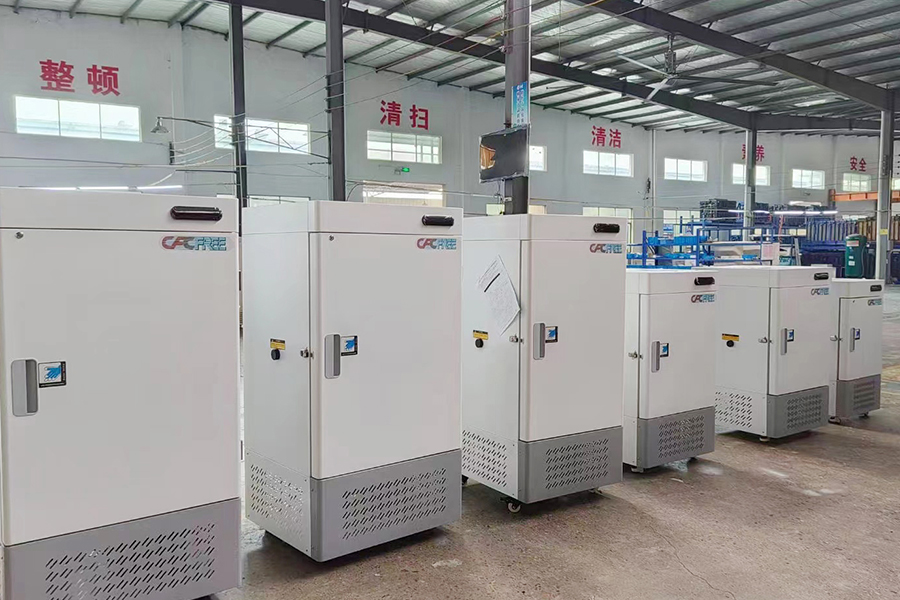
Why Door Opening Affects Freezer Performance
Opening the freezer door allows warm laboratory air to enter the storage chamber. This air contains moisture and heat, both of which disturb the internal temperature environment.
Laboratory equipment guides explain that introducing warm air causes condensation and frost formation, while the refrigeration system must work harder to restore the original setpoint temperature.
As a result, frequent access can temporarily raise internal temperatures and increase the workload on the compressor system.
Temperature Recovery After Each Door Opening
The time required for the freezer to return to its target temperature is called recovery time. Recovery time varies depending on freezer capacity, insulation design, and environmental conditions.
Studies and equipment specifications indicate that recovery to approximately −75 °C may require 16–35 minutes depending on the size of the freezer and surrounding conditions.
Operational guides also note that every minute the door remains open can require roughly 10 minutes of recovery time to restore the set temperature.
These recovery periods highlight why laboratories attempt to limit the frequency and duration of freezer access.
Impact on Stored Samples
Short temperature fluctuations do not necessarily damage stored samples, but repeated warming cycles can gradually affect sensitive materials.
Research related to cryogenic storage suggests that repeated temperature spikes may influence the stability of biological samples over long storage periods.
Certain materials are more sensitive to temperature changes than others, including:
RNA samples
Enzyme preparations
Cell cultures
Plasma or serum samples
Maintaining consistent storage conditions helps reduce potential degradation risks.
Operational Challenges in High-Traffic Laboratories
Large research institutions, pharmaceutical laboratories, and biobanks often store thousands of samples in a single freezer. In these environments, frequent access becomes unavoidable.
Common operational challenges include:
Sample retrieval delays
Researchers may spend extended periods searching for specific storage boxes.
Multiple users accessing the same freezer
Shared equipment increases the number of door openings each day.
Unorganized storage systems
Poor labeling and inventory tracking extend door-open time.
High throughput research activities
Projects requiring frequent sample access place additional demand on freezer systems.
Even high-capacity Industrial ULT Freezer units must manage these operational pressures carefully.
Strategies Laboratories Use to Reduce Door Opening Impact
Laboratories often implement operational strategies to minimize temperature fluctuations caused by repeated access.
Organized Storage Systems
Clearly labeled racks and structured box layouts allow users to retrieve samples quickly. Organized storage reduces door-open duration and improves workflow efficiency.
Inventory management systems are also used to track sample locations electronically.
Batch Sample Handling
Researchers sometimes remove several storage boxes at once and place them on dry ice during sample processing. This approach prevents repeated opening and closing of the freezer door.
Dedicated Freezers for Different Sample Types
Some facilities divide storage into multiple units:
Long-term archive freezers
Daily access working freezers
Backup storage units
Separating these functions reduces traffic to critical storage systems.
Limiting Access Time
Laboratory staff are often trained to locate sample positions before opening the freezer. Planning retrieval tasks in advance reduces the amount of time the door remains open.
Technology Improvements Supporting Frequent Use
Modern freezer designs incorporate several features to support high-frequency access environments:
Multi-layer inner doors that reduce cold air loss
High-efficiency compressors that improve recovery time
Thick insulation panels that slow heat transfer
Audible alarms for temperature deviations
Performance indicators such as recovery time and temperature uniformity are commonly used to evaluate freezer reliability in daily laboratory conditions.
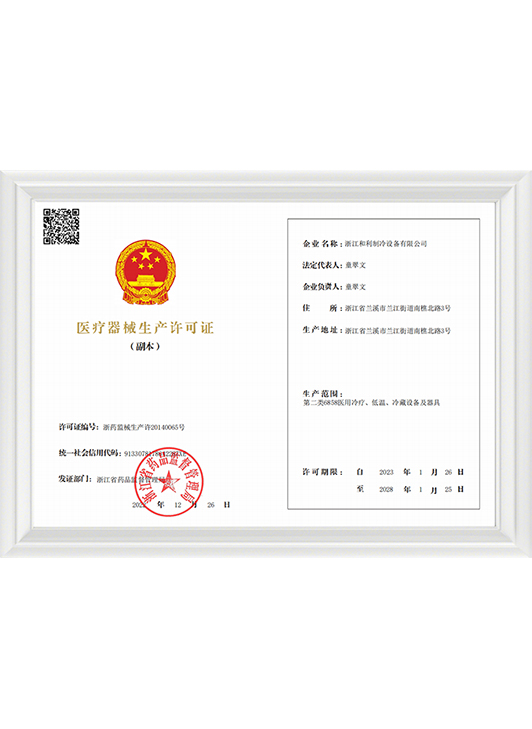
Manufacturers such as Zhejiang Heli Refrigeration Equipment Co., Ltd. continue to develop freezer systems that improve insulation performance, airflow management, and temperature monitoring.
Balancing Accessibility and Temperature Stability
Frequent door opening is a normal part of laboratory operations, especially in facilities that manage large research sample collections. Although an Ultra Low Temp Freezer is designed to recover from routine access, excessive door activity can still influence temperature stability and energy consumption.
Careful organization, staff training, and thoughtful freezer management can significantly reduce the impact of daily access. When combined with reliable monitoring systems, an Industrial ULT Freezer can support both high-capacity storage and efficient laboratory workflows.
Maintaining this balance allows laboratories to access samples efficiently while preserving the stable ultra-low temperature conditions required for long-term scientific research.
