


 中文简体
中文简体 English
 Français
 عربى
عربى +86-15988502726(wechat)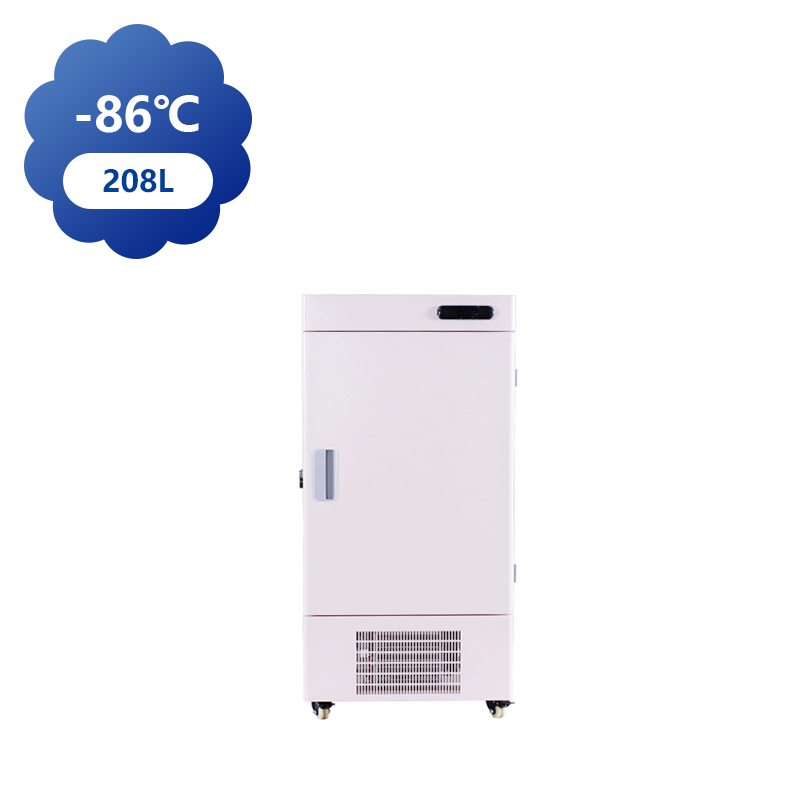
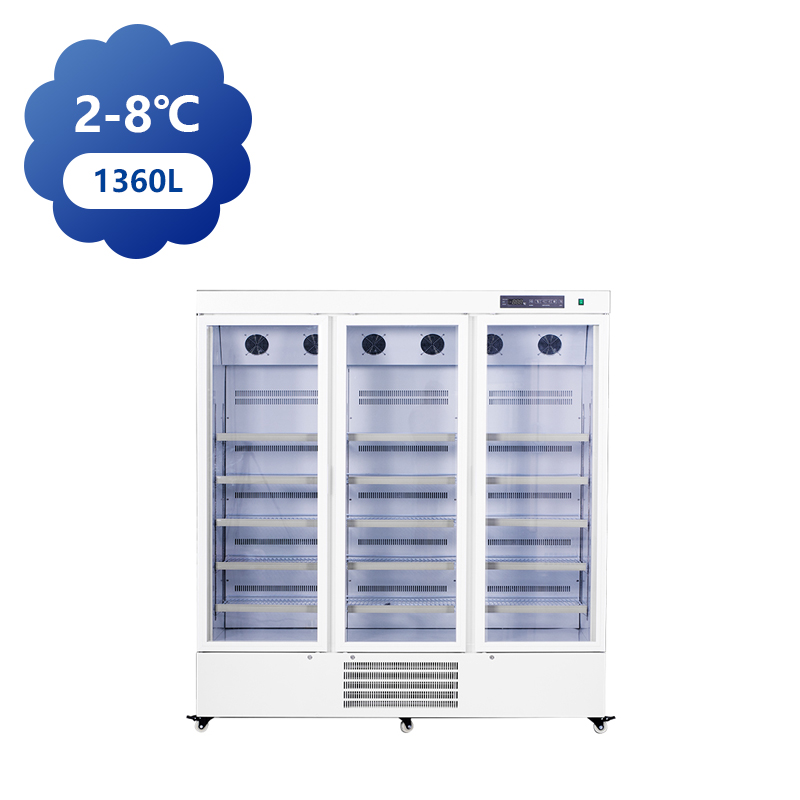
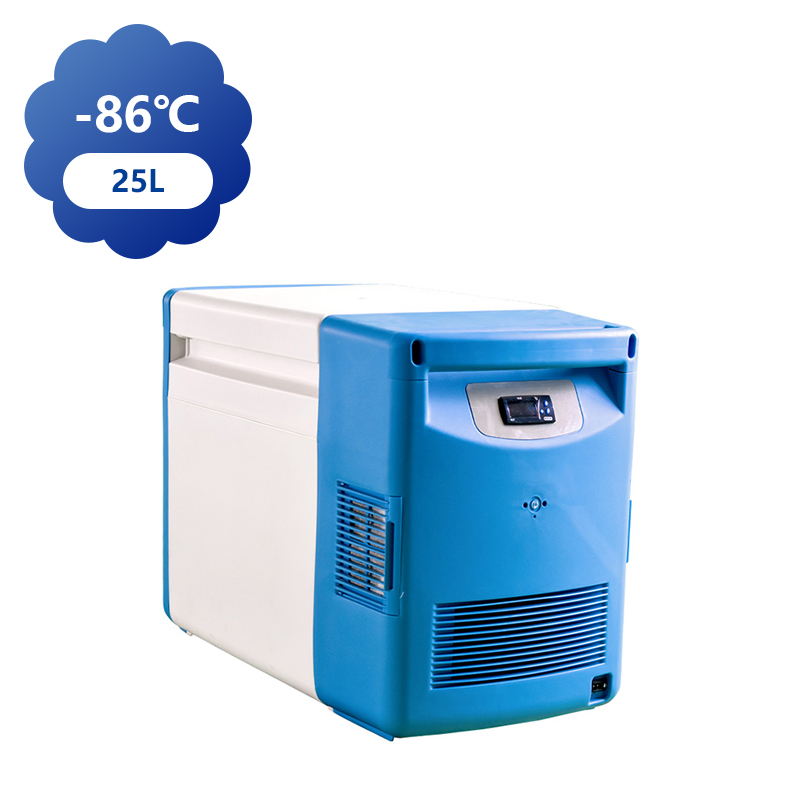
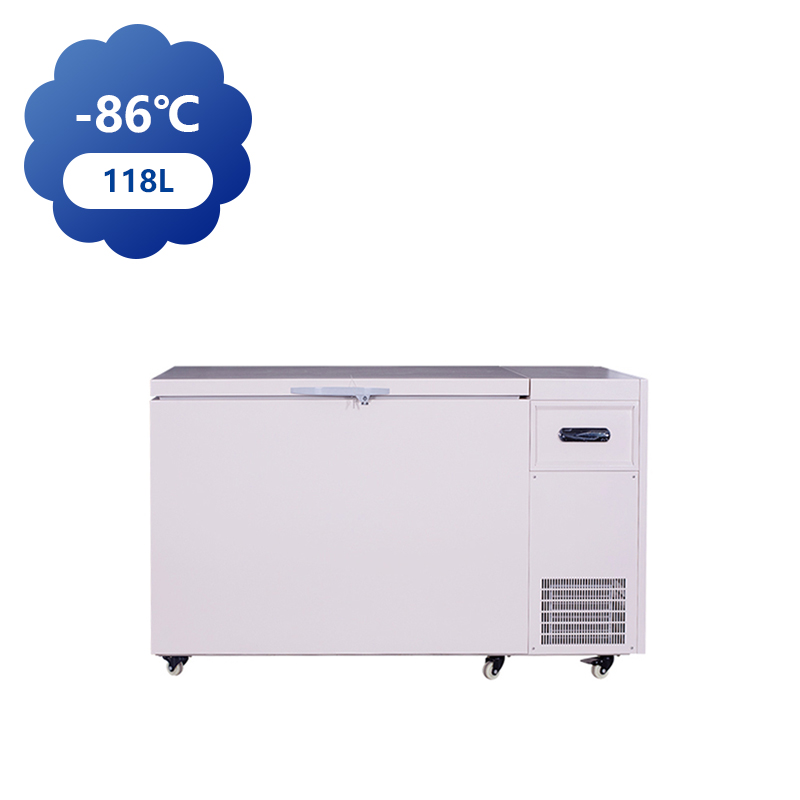
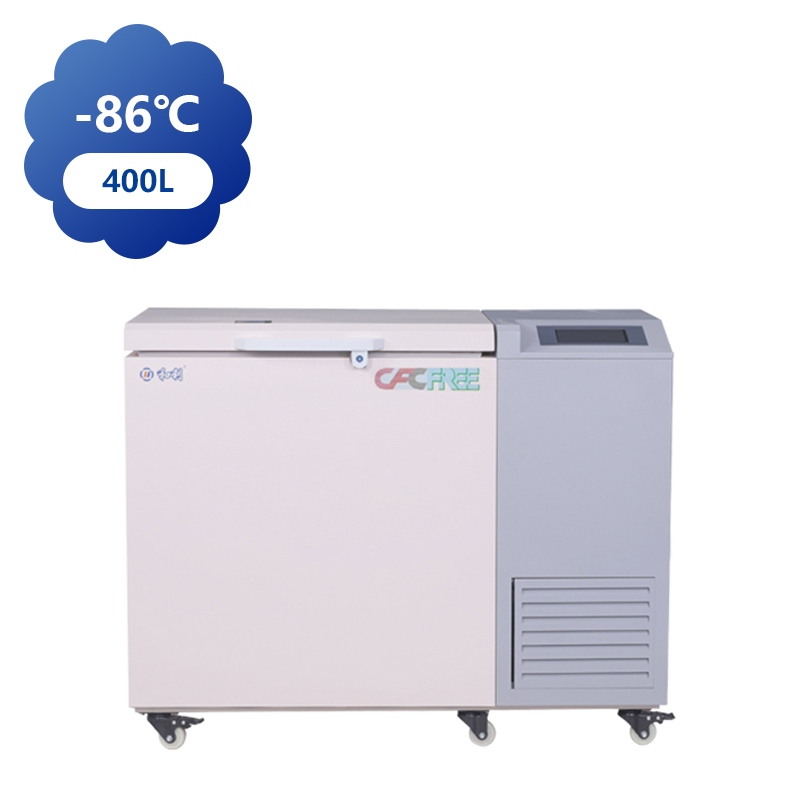



You can contact to me using this form.
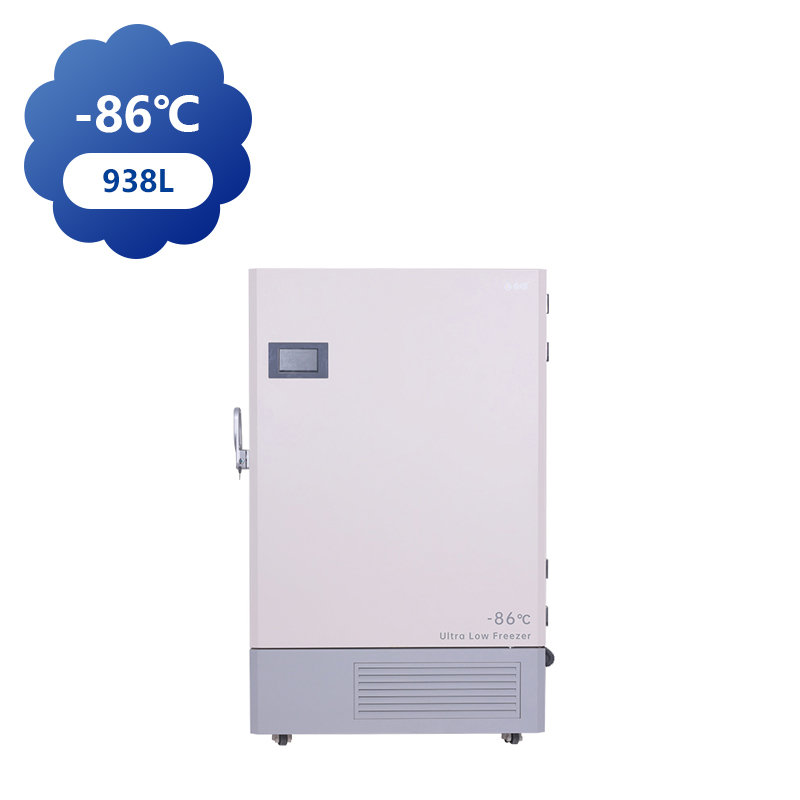
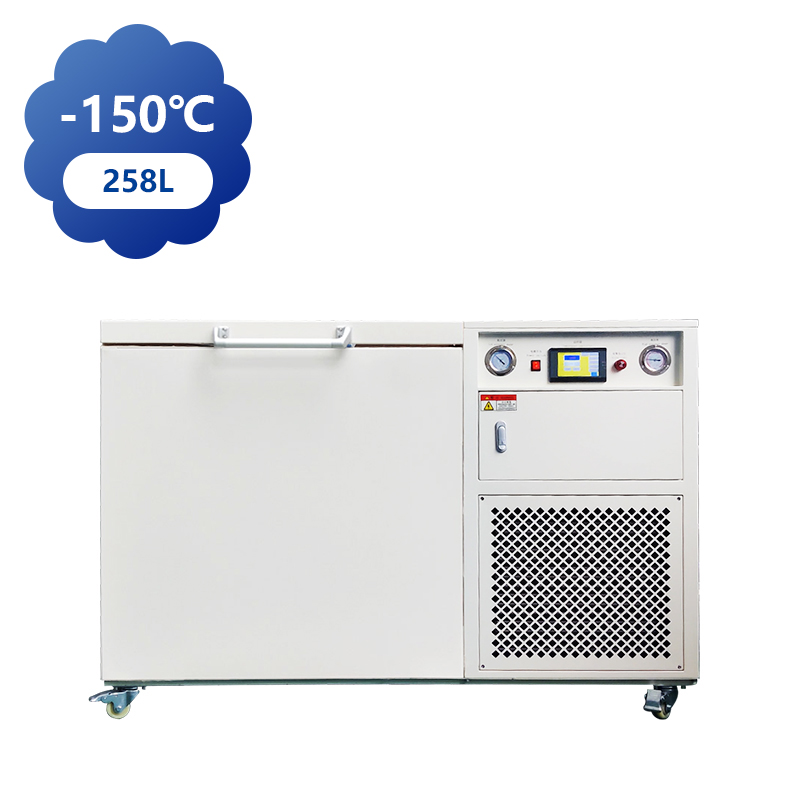
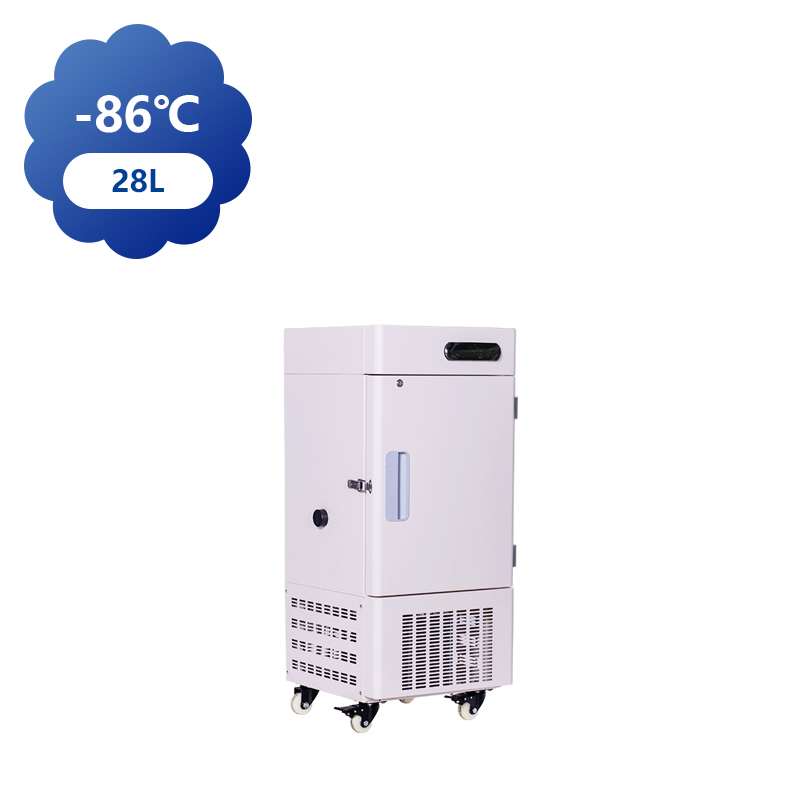
Reliable cold storage remains a critical requirement in modern laboratories, hospitals, and pharmaceutical facilities. Biological samples, vaccines, enzymes, and research materials often require temperatures near −80 °C for long-term preservation. An Industrial ULT Freezer is commonly used in centralized storage rooms and research facilities due to its larger capacity and stable cooling systems. At the same time, the Ultra Low Temp Freezer has become a standard piece of equipment in many laboratories that handle sensitive biological materials.
Among the operational questions raised by laboratory technicians and facility managers, power outages remain one of the more discussed concerns. Even a short interruption of electrical supply can raise concerns about sample safety, temperature stability, and recovery time.
Understanding how these freezers respond to power loss helps laboratories build more effective risk-management strategies.
What Happens During a Power Outage?
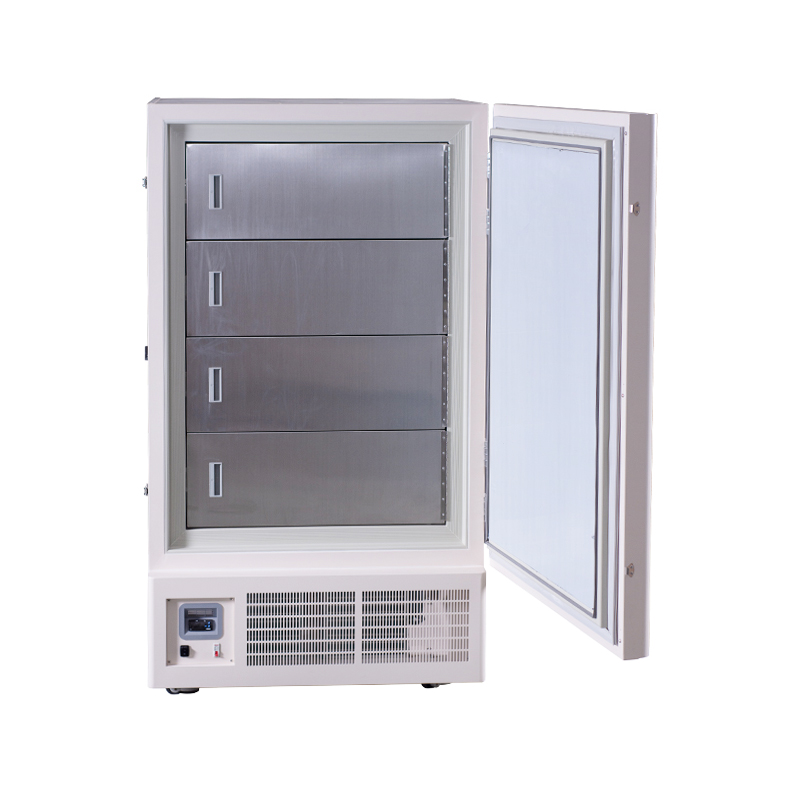
A power interruption immediately stops the compressor and cooling system inside the freezer. Without active refrigeration, the internal temperature gradually begins to rise. The rate of warming depends on several factors including insulation design, freezer capacity, ambient temperature, and how often the door is opened.
Ultra-low temperature units are typically designed with thick insulation and sealed chambers to slow heat transfer. This allows the internal temperature to remain within a safe range for a certain period even without power.
However, laboratory experts note that temperature recovery after door openings or environmental changes can take time, highlighting the importance of keeping the door closed to maintain stable internal conditions.
Key Factors Affecting Temperature Stability
The ability of a freezer to maintain safe storage conditions during power loss varies depending on several technical and environmental factors.
1. Insulation Thickness and Cabinet Design
High-density insulation significantly slows the movement of heat from the surrounding environment into the freezer chamber. Units with thicker insulation panels can maintain low temperatures longer during a power interruption.
Cabinet structure and door sealing systems also play an important role in reducing heat infiltration.
2. Freezer Load and Sample Density
A fully loaded freezer often retains cold temperatures longer than an empty unit. Stored materials act as thermal mass, slowing the rate of warming.
Laboratories often use high-density racks and organized storage boxes to maximize capacity while maintaining airflow. Proper sample management also reduces door-open time, which helps preserve temperature stability.
3. Door Opening During the Outage
Opening the freezer door during a power interruption can significantly accelerate temperature rise. Warm air quickly enters the chamber, increasing internal heat load.
Laboratory guidelines usually recommend keeping the door closed until power is restored unless emergency transfer of samples is necessary.
4. Ambient Temperature of the Laboratory
Environmental conditions surrounding the equipment also influence temperature stability. A cooler room environment slows the warming process inside the freezer.
Laboratory equipment guides often recommend maintaining a stable ambient temperature to help freezers recover faster and maintain efficiency.
How Long Can Samples Remain Safe?
The safe storage duration during power loss varies depending on the freezer design and storage conditions. Modern units are often engineered to maintain temperatures below critical thresholds for several hours under controlled conditions.
Several variables influence this timeframe:
Initial internal temperature before the outage
Quantity and type of stored materials
Ambient laboratory temperature
Frequency of door openings
Quality of insulation and door sealing
Laboratories commonly establish internal guidelines that define when samples should be transferred to backup storage systems.
Backup Strategies Used by Laboratories
Because power interruptions are unpredictable, laboratories usually implement multiple protection measures to safeguard valuable samples.
Emergency Power Systems
Backup generators are commonly installed in research facilities. These systems restore power quickly to essential equipment including freezers, incubators, and monitoring systems.
Remote Temperature Monitoring
Modern freezers often include digital monitoring and alarm systems that send alerts during power failures or temperature deviations. Monitoring solutions can integrate with facility management systems to provide continuous oversight.
Temperature mapping and monitoring are frequently used to verify freezer performance and ensure consistent operation.
Secondary Storage Plans
Many laboratories maintain spare freezers or collaborate with nearby facilities to provide emergency storage options.
Dry ice or liquid nitrogen may also be used temporarily during extended outages.
Importance of Preventive Maintenance
Regular maintenance plays a significant role in ensuring reliable performance during unexpected power interruptions.
Recommended practices include:
Cleaning condenser filters and airflow systems
Inspecting door seals for damage
Monitoring temperature sensors and alarms
Scheduling routine preventive maintenance checks
Preventive maintenance programs help ensure the freezer operates efficiently and can recover quickly after a power event.
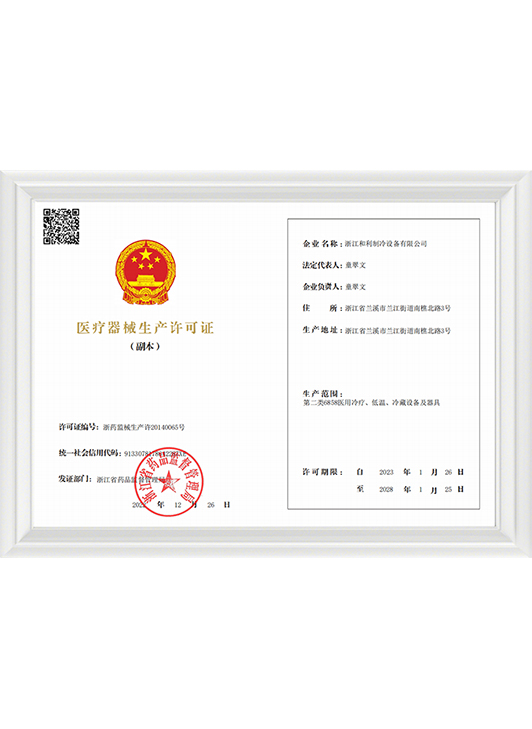
Manufacturers such as Zhejiang Heli Refrigeration Equipment Co., Ltd. continue to improve refrigeration systems, insulation structures, and monitoring technologies to enhance the reliability of large-capacity laboratory freezers.
Building a Reliable Cold Storage Plan
Power outages remain one of the major operational risks for laboratory cold storage systems. Although modern equipment such as an Industrial ULT Freezer is designed to retain cold temperatures for a limited time, laboratories should not rely solely on passive insulation.
Effective protection usually involves a combination of reliable equipment, organized sample management, backup power systems, and continuous monitoring. An Ultra Low Temp Freezer integrated into a well-planned cold storage strategy can provide the stability required for long-term research sample preservation.
Facilities that invest in preparation and maintenance are better equipped to respond quickly when unexpected power disruptions occur.
