


 中文简体
中文简体 English
 Français
 عربى
عربى +86-15988502726(wechat)



You can contact to me using this form.
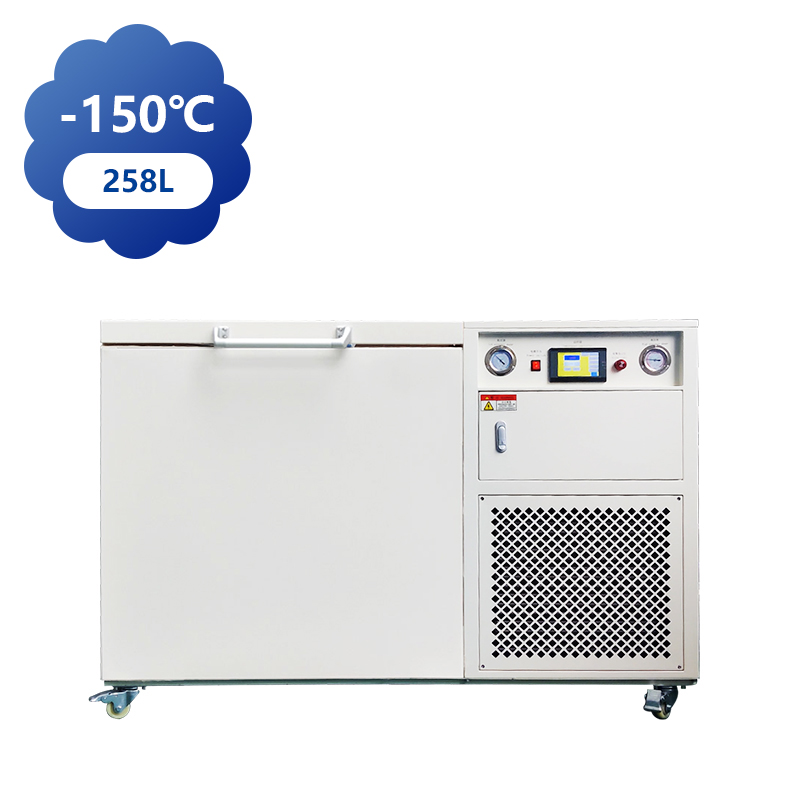
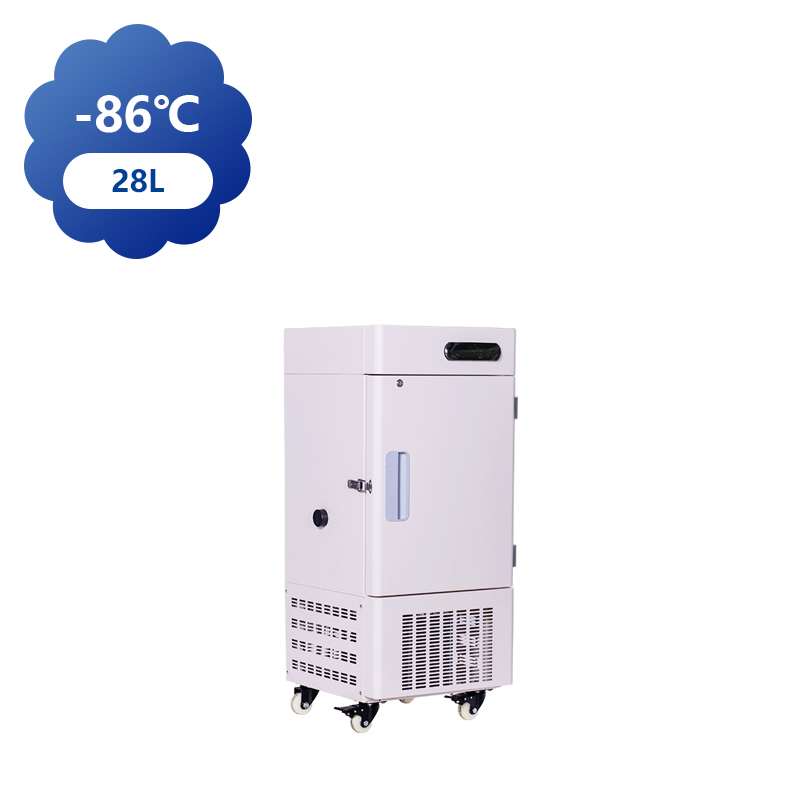
A ultra cold storage freezer is a cornerstone of many laboratories, biobanks, and medical facilities — but real-world experience shows that not all units perform equally well over time. In particular, an upright ultra low freezer can be a source of ongoing debate among operators who depend on consistent temperature control for preserving critical samples. Reports about performance inconsistencies, maintenance challenges, and unexpected malfunctions have led many users to share detailed insights into what works — and what doesn’t — in long‑term freezer service.
At Zhejiang Heli Refrigeration Equipment Co., Ltd., we understand the importance of equipment reliability and the concerns raised by professionals who face operational challenges. This article explores common observations about reliability and practical considerations that users frequently discuss.
Real Experiences with Temperature Fluctuations
One of the more frequently mentioned reliability concerns relates to temperature consistency. In one real lab discussion, researchers reported that their ultra-low freezers experienced spontaneous fluctuations, with internal temperatures sometimes rising outside of the set range despite monitoring systems indicating temperatures were “in range.”
Some labs experienced brief spikes to warmer readings while secondary sensors showed stable conditions, creating confusion about actual performance.
Alarms sometimes triggered without a clear indication of a genuine failure, causing staff to question both reliability and alarm calibration.
Even well‑used models with touchscreen monitors and logging systems were not immune to occasional errors.
These user insights highlight the importance of not only selecting a model with strong baseline performance but also using reliable temperature monitoring systems inside your freezer setup.
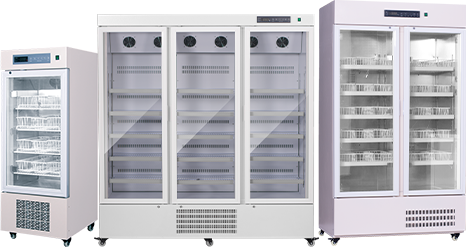
Discussions About Brand and Design Longevity
Community discussions on reliability often extend to design features and longevity. In several forums, operators shared their experiences with different models and technologies:
Some labs report long‑term issues with specific compressor‑based ultra‑low freezer designs, as electrical components or digital interfaces failed after relatively short service life.
Other users noted that older legacy units, even without high‑tech control panels, often outlasted more modern designs in consistent daily use.
Certain technologies that stray from traditional compressor systems (such as Stirling engine‑based cooling) also receive mixed feedback — praised for efficiency but sometimes criticized for specific operational quirks.
Overall, these discussions emphasize that a freezer’s reliability cannot be judged by features alone, but by how its design handles real‑world daily workloads and environmental stresses.
Common Operational Factors That Affect Reliability
Beyond brand and design differences, several practical factors emerge repeatedly as influencers of reliability:
1. Maintenance Practices
Regular service and cleaning are instrumental in ensuring a stable performance over time. Ice buildup, worn seals, and dusty condensing components are among the common issues that contribute to temperature drift and unexpected strains on the compressor.
Scheduled preventive maintenance, such as checking door gaskets and clearing frost, helps uphold operational reliability and reduce long‑term wear on key components.
2. Temperature Monitoring and Alerts
Simple reliance on built‑in controls is often insufficient. Users frequently mention the need for dedicated monitoring systems that can send alerts via email or text when temperatures deviate from safe ranges, allowing faster responses to anomalies.
Accurate internal monitoring — ideally at multiple points within the freezer chamber — provides a clearer picture of actual conditions and reduces uncertainty.
3. Equipment Age and Usage Patterns
Older units may consume more energy and struggle to maintain harsh cold as components age. In these situations, reliability can be compromised when a freezer is pushed beyond its ideal workload, emphasizing the importance of lifecycle planning.
Usage patterns — including frequent door openings and high turnover — also contribute to additional stress on cooling systems and influence performance stability.
Reliability and User Expectations
For many facilities, the choice of a ultra cold storage freezer is a long‑term investment. What users often learn over time is that reliability depends on a combination of strong equipment design, thoughtful application, and consistent maintenance.
Choosing models with robust internal components and good support infrastructure helps minimize unexpected downtime.
Regular preventive practices help detect small issues before they escalate.
Monitoring strategies that go beyond the built‑in control panel are invaluable for peace of mind.
At Zhejiang Heli Refrigeration Equipment Co., Ltd., we aim to offer refrigeration solutions that balance performance with durability, and we support operators seeking dependable cold storage systems tailored to their precise needs.
