


 中文简体
中文简体 English
 Français
 عربى
عربى +86-15988502726(wechat)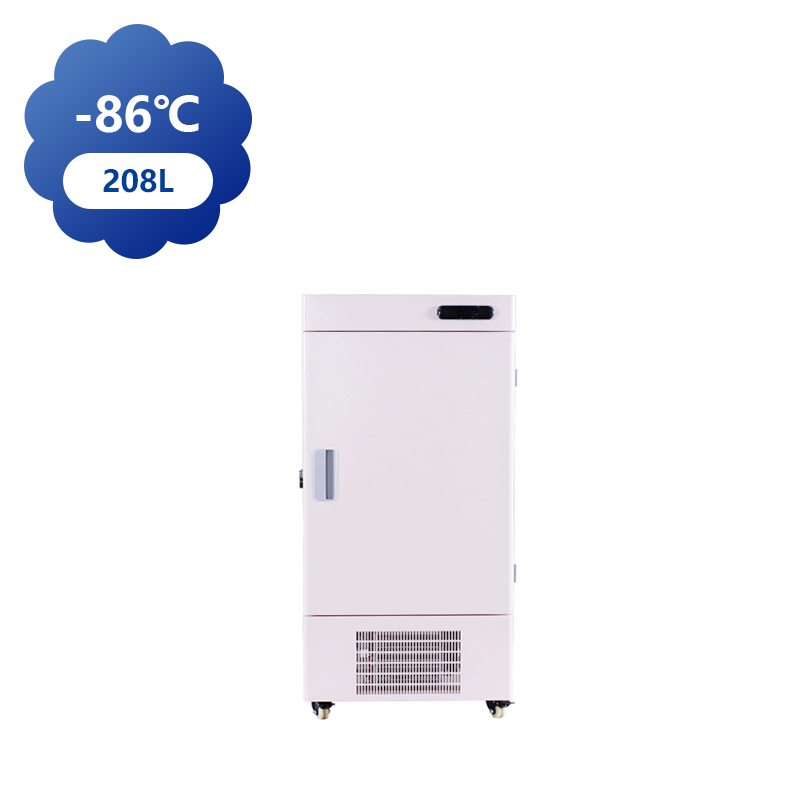



You can contact to me using this form.
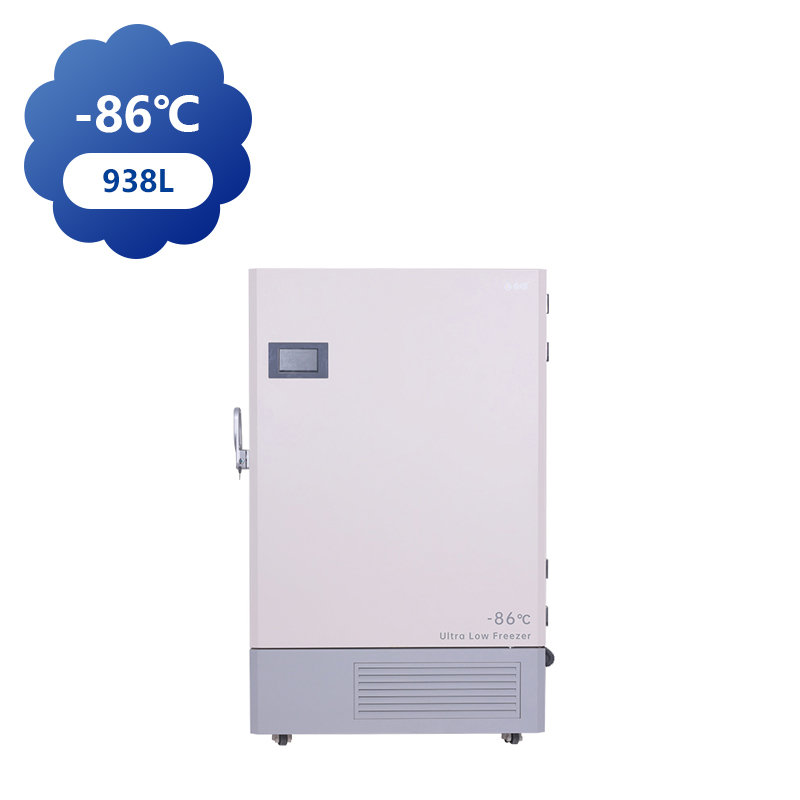
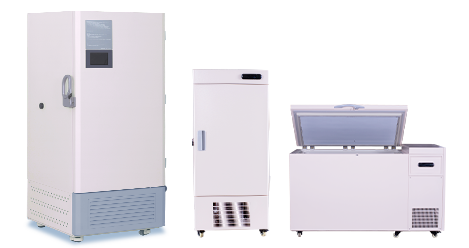
When managing critical biological materials, having a stable ultra cold storage freezer is essential for preserving sensitive samples over long periods. Likewise, many research labs and facilities rely on the upright ultra low freezer format for easier access and vertical storage efficiency. However, one of the more frequent concerns users raise centers on unexplained temperature drift — where the internal temperature slowly rises above the set point and puts important contents at risk.
Understanding Temperature Drift
Temperature drift refers to instances where a freezer’s internal temperature deviates upward from the desired setting, sometimes without apparent cause. With units designed to maintain harsh cold — often down to -80°C or lower — even a minor shift can cause significant problems. Not only could sensitive biologicals be compromised, but energy costs and system strain can escalate if the unit keeps cooling harder in response.
This phenomenon can occur in both upright ultra-low freezer cabinets and more traditional chest-style models, although upright designs sometimes face additional challenges due to door usage patterns. Frequent opening can introduce warm air more easily, requiring longer recovery times.
What Causes Temperature Drift?
Temperature fluctuations can result from multiple factors, but some of the more common include:
1. Door Management and Warm Air Ingress
Every time an upright freezer door opens, cold air flows out and warm air rushes in. If doors are left open too long or opened frequently during sample retrieval, the internal system must work harder to restore temperature. Over time, this can cause noticeable drift — particularly if the freezer is not given adequate recovery time.
2. Excessive Frost and Ice Buildup
Despite being a normal byproduct of frost-generating environments, excessive ice can significantly impact airflow and heat exchange performance. Ice buildup around the door gaskets or internal surfaces restricts proper cooling air movement, forcing compressors to run longer and wider cycles.
3. Seal and Gasket Degradation
Seals and gaskets play a silent but crucial role in maintaining cold integrity. Over time, frost buildup and repeated temperature cycling can weaken door seals. When seals fail to close tightly, warm ambient air enters, creating a consistent drain on the freezer’s thermal stability.
4. Placement and Ventilation Issues
Where the freezer sits matters. Units placed too close to walls or heat sources — like direct sunlight or HVAC ducts — must cope with higher ambient temperatures, which can cause internal warming and temperature drift. Proper clearance and ventilation space are key.
Identifying Early Warning Signs
Proactive monitoring helps catch drift before samples are jeopardized. Operators should look for:
Temperature alarms triggered more frequently than expected.
Increased compressor cycle time without stable temperature achievement.
Accumulation of frost around door edges and vents.
Difficulty in returning to set temperatures quickly after door openings.
Remote monitoring systems and digital logging tools can help track trends over time and alert staff immediately if recovery is slow or inconsistent.
Practical Steps to Minimize Drift
Here are actionable measures labs and facilities can adopt to reduce temperature variations:
- Keep Inventory Organized
Maintain a clear inventory of stored items so that freezer doors stay open for the shortest time possible during access. Planning before opening the door significantly reduces warm air infiltration.
- Regular Defrosting and Cleaning
Scheduled defrost cycles — manual or automatic — remove ice buildup that interferes with normal cold circulation. Make sure internal racks and coils are routinely assessed and cleaned where necessary.
- Monitor Seals and Gaskets
Inspect seals at least monthly for wear and frost accumulation. Keeping them clean and intact ensures tighter door closure and better insulation.
If you’re interested in tailored solutions that help improve freezer stability and longevity, Zhejiang Heli Refrigeration Equipment Co., Ltd. offers insights and equipment support that align with advanced laboratory and cold storage needs.
