


 中文简体
中文简体 English
 Français
 عربى
عربى +86-15988502726(wechat)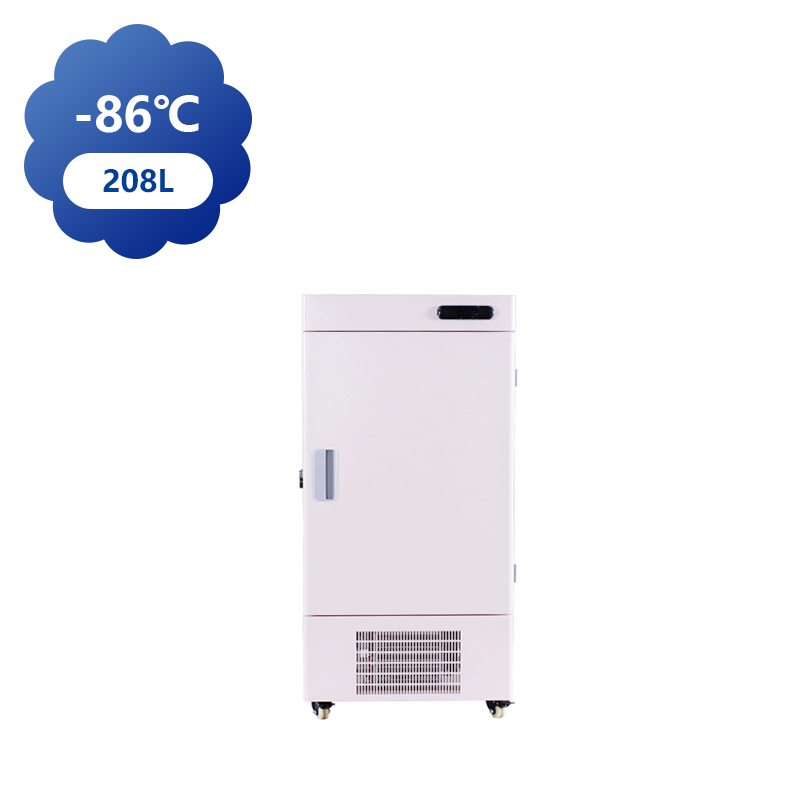



You can contact to me using this form.
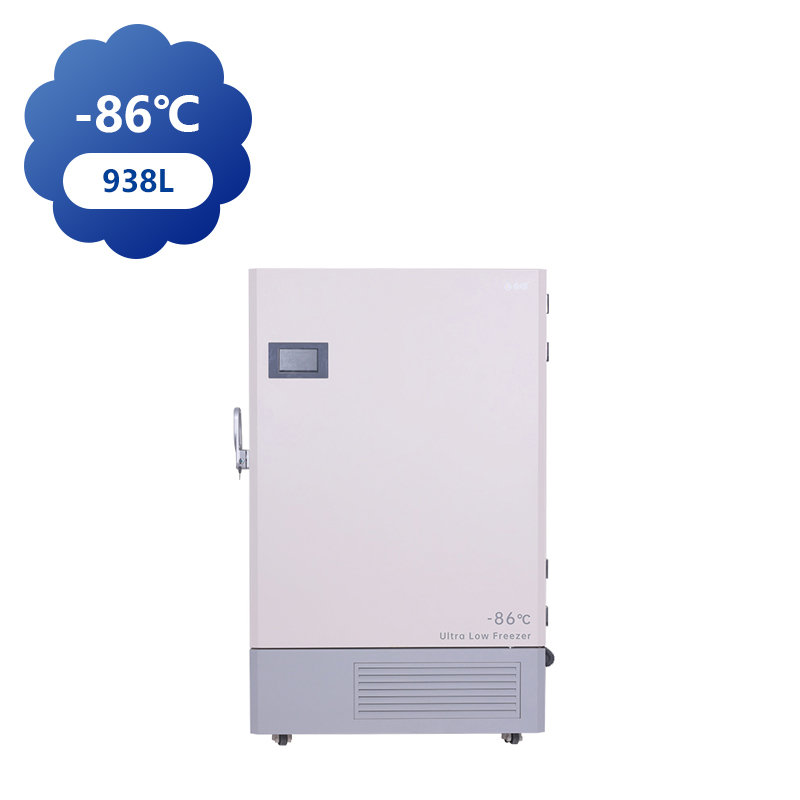
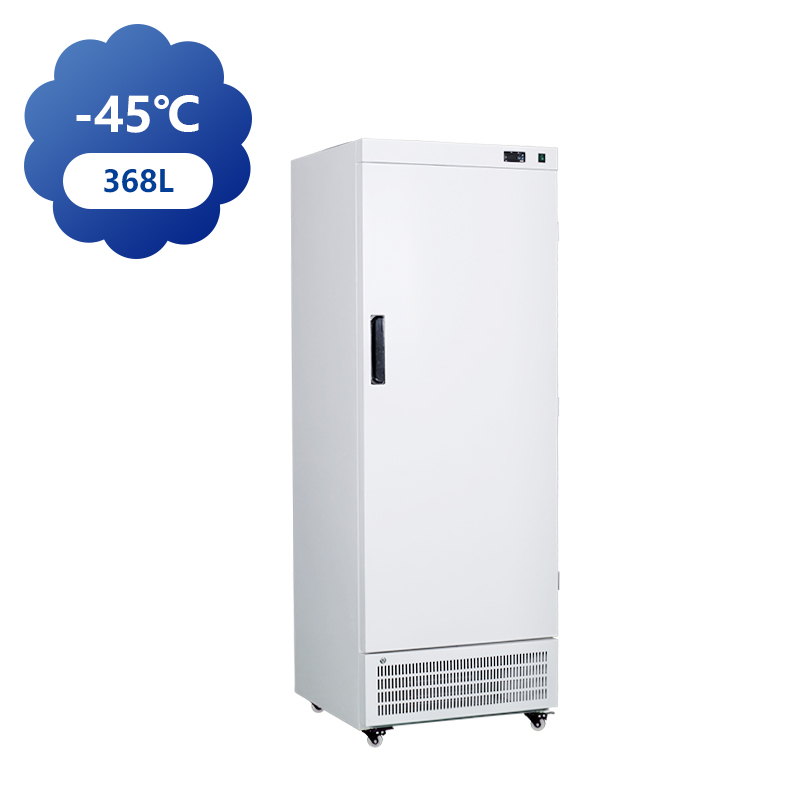
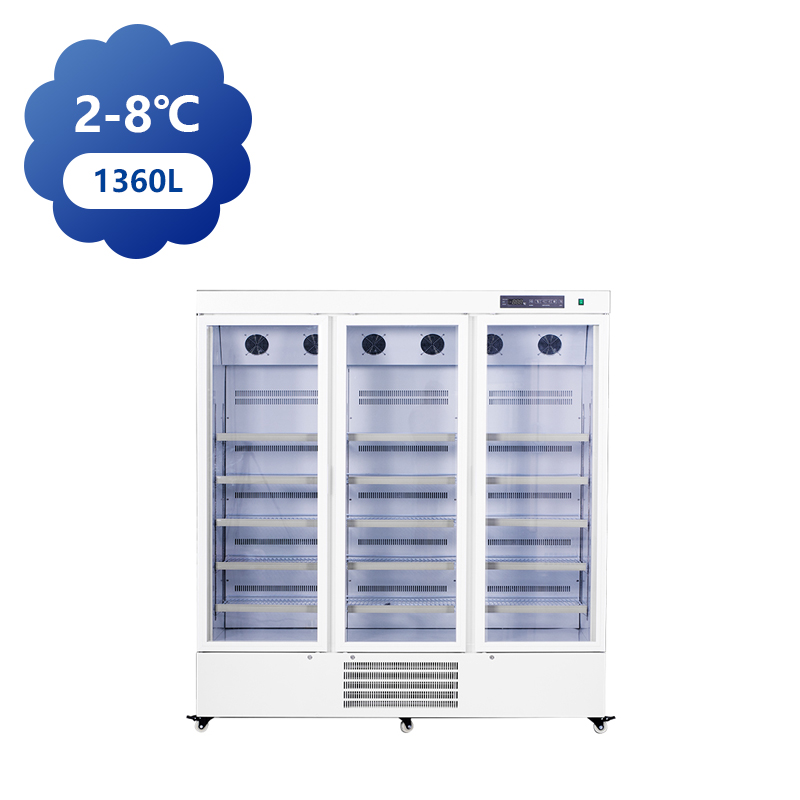
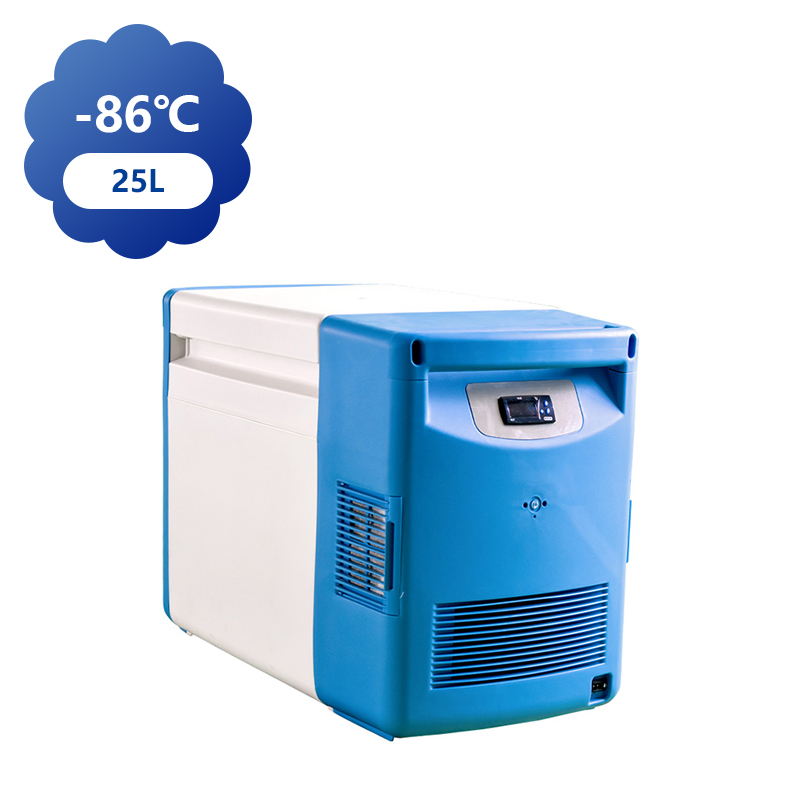
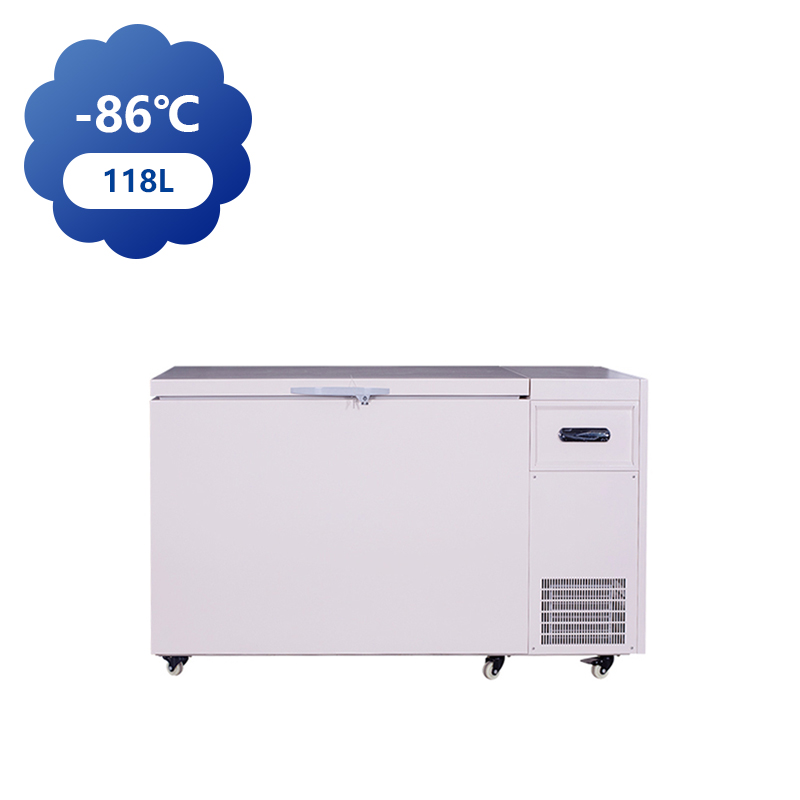
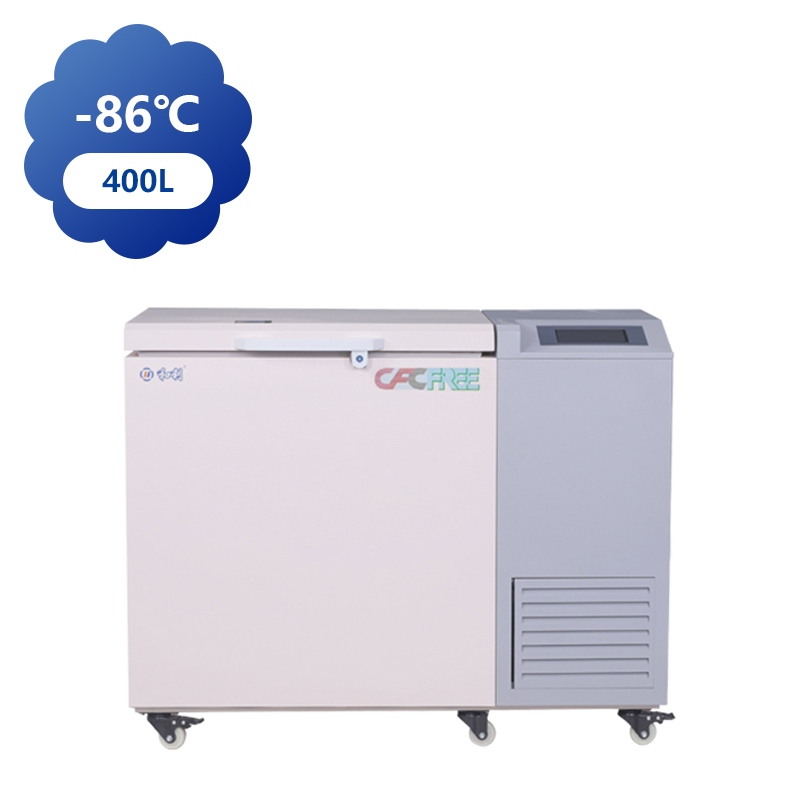
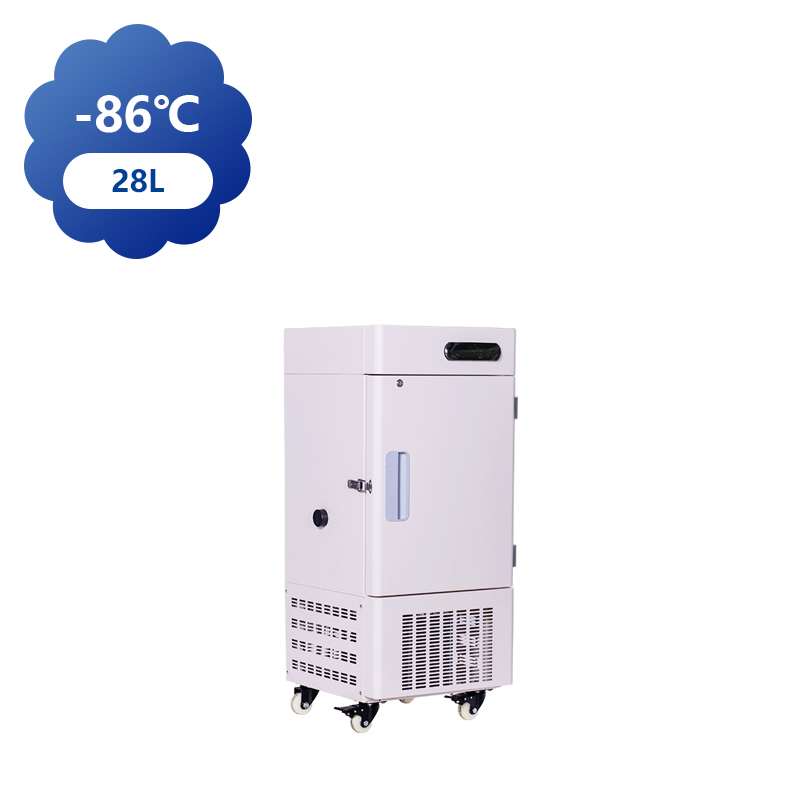
For many research facilities and medical labs, an ultra cold storage freezer is more than just equipment — it’s the cornerstone of long‑term sample preservation. Yet one concern that repeatedly surfaces among operators revolves around backup power. In the event of a sudden power outage or unstable electrical supply, even the best‑maintained upright ultra low freezer can quickly lose its ability to sustain sub‑zero temperatures, risking the integrity of costly and sometimes irreplaceable samples. Understanding what backup power can and cannot do is critical for effective risk management.
Why Backup Power Is Not Optional
An ultra cold storage freezer typically uses high‑capacity compressors to maintain temperatures well below freezing — often down to -80°C or lower. While these systems keep samples safe during normal operation, they are highly vulnerable when electrical power is interrupted. Without an alternative power source, the compressor stops running and the internal temperature begins to rise, potentially jeopardizing sample integrity.
That’s why backup power is more than just a convenience: in many facilities, it can be essential for preserving sensitive research specimens, vaccines, or biological materials that are costly or impossible to replace.
Understanding Built‑In vs. External Backup Solutions
When discussing backup power with teams or technicians, it’s important to understand the limitations of the systems that come standard with more ultra low freezers:
- Built‑In Battery Backups
Many modern upright ultra low freezers advertise a “built‑in backup system.” However, this typically refers only to the ability to keep alarm electronics and basic monitoring systems powered during an outage — not the compressor or active cooling functions. In a power failure, these systems can alert staff that an issue has occurred, but they cannot maintain the freezer’s cold environment on their own.
That means the freezer could stay at its set temperature long enough for a technician to respond, but only if the outage is very short. Longer interruptions will still cause warming without an external solution.
- External Power Systems
To maintain temperatures during extended outages, facilities often turn to external systems such as:
Uninterruptible Power Supplies (UPS): These provide short‑term power, allowing compressors to continue operating until normal power returns or a generator kicks in.
Backup Generators: More robust solutions that can sustain cooling for longer periods during planned or unplanned outages.
Liquid CO₂ or LN₂ Backup Modules: Some systems inject carbon dioxide or liquid nitrogen into the freezer when temperatures rise above a threshold, preserving ultra‑low temperatures for hours without electrical power.
Each of these options has strengths and limitations — for instance, battery systems may only support cooling for a limited time, while CO₂ or LN₂ backups require careful monitoring of gas levels and safety protocols.
Key Considerations for Backup Planning
When evaluating how to protect an ultra cold storage freezer, several practical factors should inform your backup strategy:
1. Power Consumption and Startup Requirements
Ultra low freezers consume significant power, and their compressors require even more energy at startup. When planning backup systems, it’s essential to ensure that the generator or battery setup can handle these demands; undersized systems may fail just when they are more needed.
2. Duration of Backup Support
The length of time a backup solution can sustain a freezer at safe temperatures should align with your facility’s risk tolerance and typical outage patterns. For example, typical battery backups might only sustain electronics and alarms, while a full generator or liquid coolant system might keep temperatures stable for many hours or even days.
3. Integration with Monitoring Systems
Backup power is more effective when paired with robust monitoring. Independent temperature sensors, remote alarms, and logging systems can notify staff when conditions change, giving teams time to act. These systems are particularly useful when freezers are installed in remote or low‑traffic areas.
Practices for Emergency Preparedness
Putting a solid backup plan in place involves more than just purchasing hardware. Here are some steps that many labs and facilities find useful:
Evaluate Electrical Infrastructure: Ensure each ultra cold storage freezer is connected to a dedicated power circuit with surge protection to minimize stress on cooling systems during outages.
Regularly Test Backup Systems: Scheduled testing ensures that backup generators and batteries activate as expected and remain ready when needed.
Document Emergency Procedures: Clear protocols for staff — including sample transfer plans or actions during extended outages — help reduce panic and mishandling during real events.
Backup power planning for an ultra cold storage freezer — especially upright ultra low freezer configurations — goes far beyond simply maintaining a light or alarm during an outage. It is a critical part of preserving sample integrity, avoiding costly losses, and ensuring operational resilience. By understanding the limitations of built‑in backups and investing in appropriate external solutions, organizations can better safeguard valuable scientific assets.
If you want tailored recommendations for backup power setups that match your facility’s needs, Zhejiang Heli Refrigeration Equipment Co., Ltd. can provide expert guidance and engineered solutions designed around reliable cold storage infrastructure.
