


 中文简体
中文简体 English
 Français
 عربى
عربى +86-15988502726(wechat)
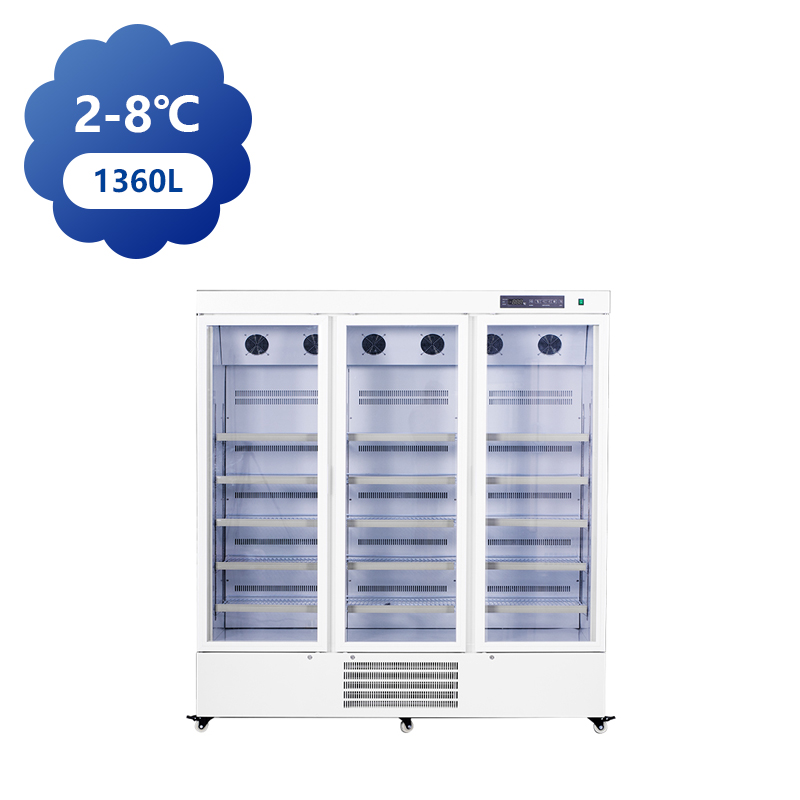
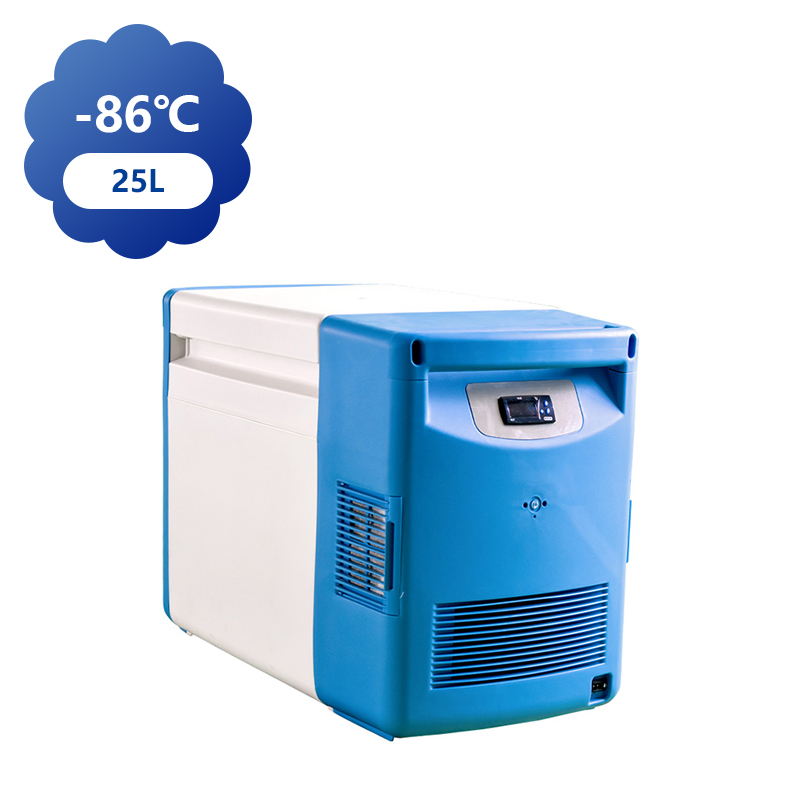
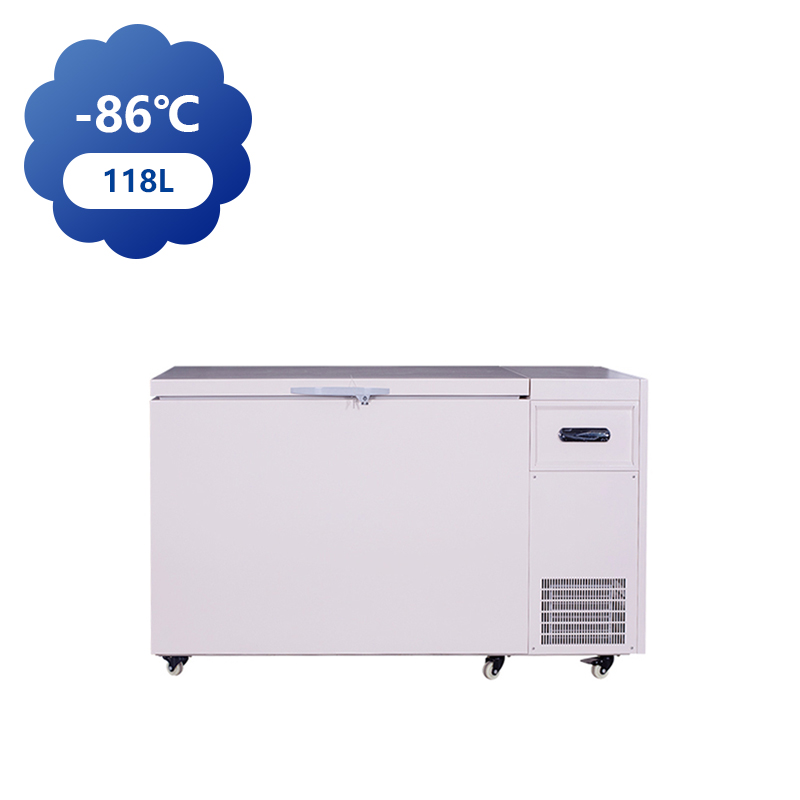
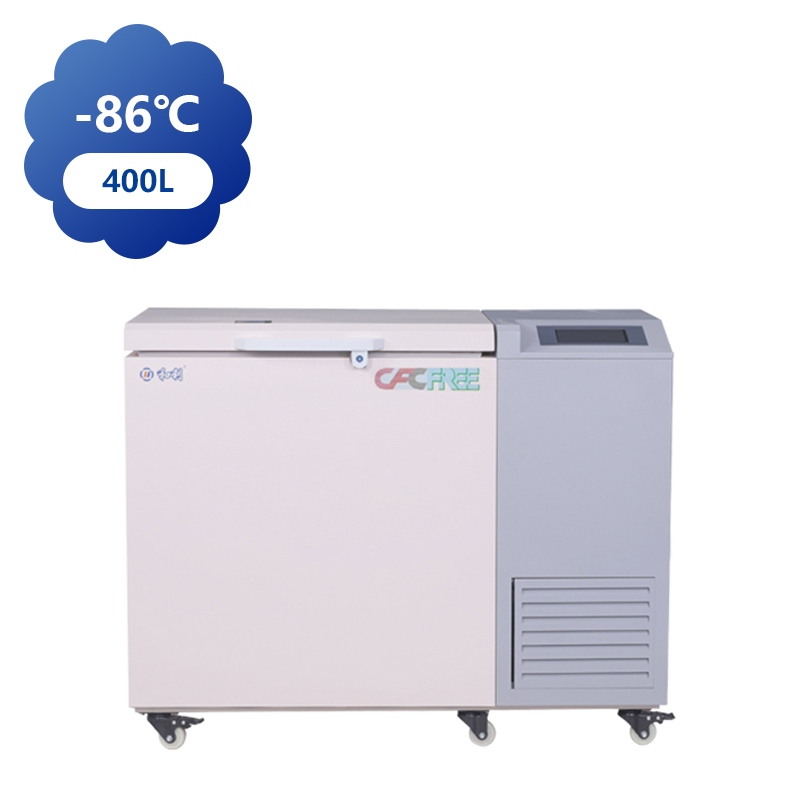



You can contact to me using this form.
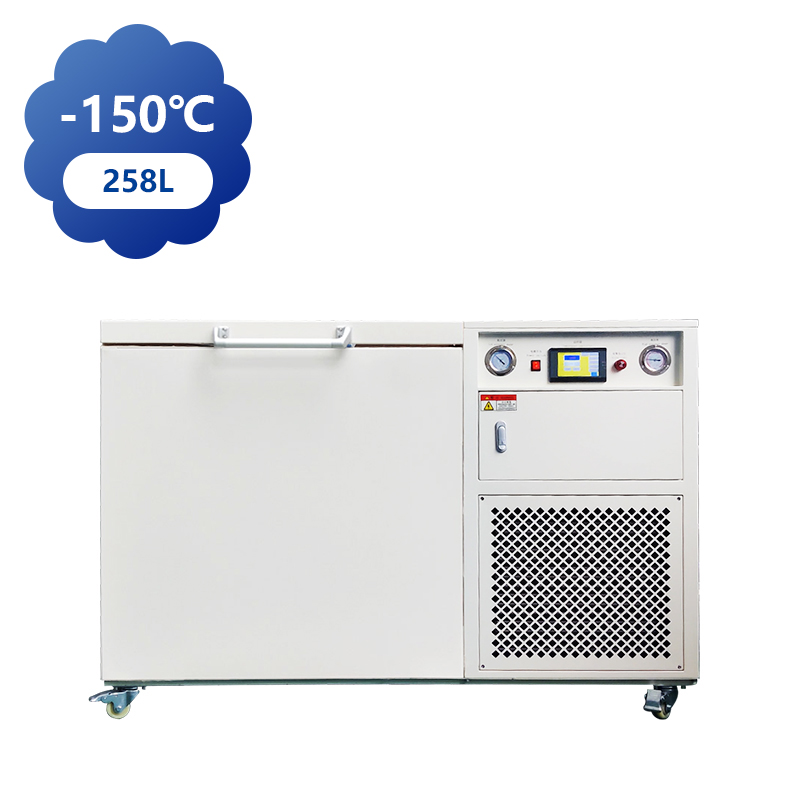
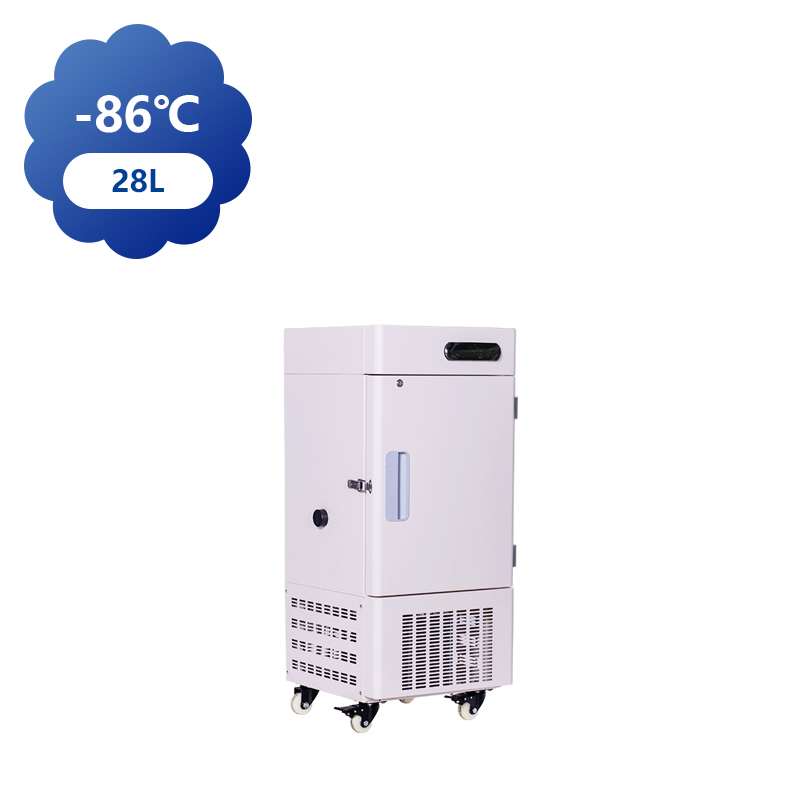
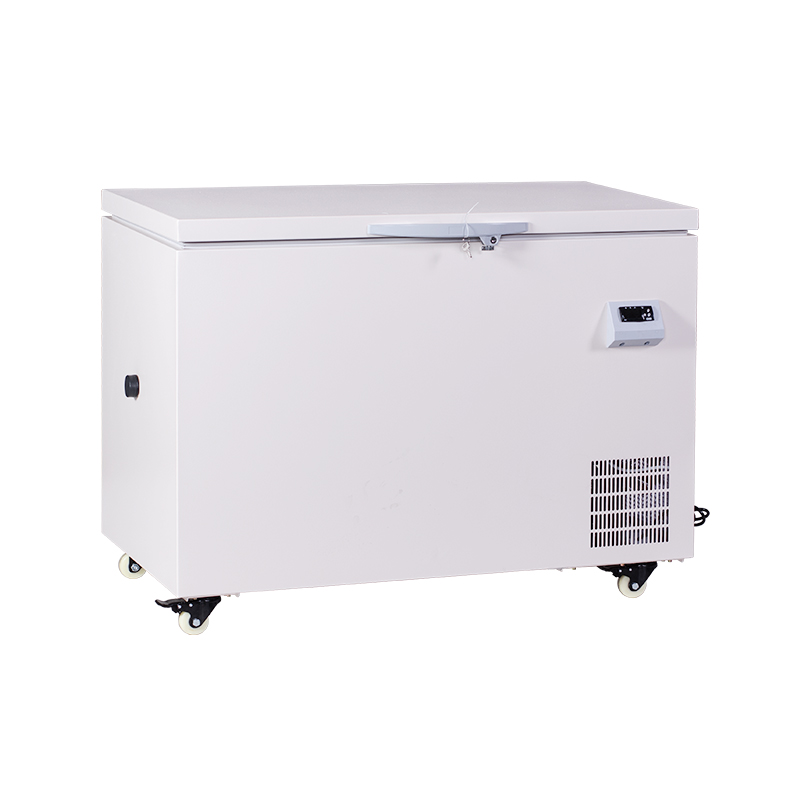
Maintaining a low temperature chest freezer goes beyond simply setting the temperature. Door seals, frost buildup, and ice accumulation can significantly affect performance, sample safety, and equipment longevity. Zhejiang Heli Refrigeration Equipment Co., Ltd., a professional manufacturer of ultra-low temperature refrigeration equipment, emphasizes that proactive maintenance is essential for reliable ultra-low temperature storage.
1. The Critical Role of Door Seals
Door gaskets create an airtight barrier that keeps the internal environment stable. Any compromise in the seal allows warm air to enter, resulting in temperature fluctuations, increased frost formation, and higher energy consumption. For minus 80 freezers and low temperature chest freezers, nice practices include:
Inspecting seals weekly for cracks, tears, or warping.
Cleaning the gasket with a soft cloth and mild detergent to remove dust or residue.
Ensuring that the seal is properly seated after every door opening.
Replacing any damaged gaskets immediately to prevent long-term performance issues.
2. Understanding Ice and Frost Formation
Ice accumulation reduces airflow and cooling efficiency. Common causes include frequent door openings, storing warm samples, or high humidity in the storage room. Signs of excessive frost include uneven temperature readings, noisy compressor operation, or ice buildup on shelves and walls.
Practical tips for ice management:
Schedule defrosting when ice thickness reaches approximately 5 mm.
Use plastic scrapers or soft tools to remove ice; avoid sharp metal objects that can damage surfaces.
Remove all stored items temporarily during defrosting for even ice removal.
3. Preventing Frost Before It Forms
Prevention is more effective than removal. For low temperature chest freezers, the following practices help reduce frost formation:
Ensure all samples are sealed in airtight containers to limit moisture release.
Minimize door openings and limit access time.
Use storage trays, racks, or dividers to improve airflow and avoid localized cold pockets.
Maintain ambient room humidity at recommended levels to reduce condensation inside the freezer.
4. Optimizing Door Operation
Proper door usage is essential to maintain stable temperatures and prevent ice buildup. Tips include:
Close doors gently but completely to ensure the gasket seals properly.
Avoid leaning items against the lid or door, which can prevent proper closure.
For chest freezers with compartmentalized lids or drawers, open only the section needed to minimize cold air loss.
Encourage team members to follow consistent access procedures to maintain temperature stability.
5. Routine Maintenance Checklist
Regular maintenance helps both minus 80 freezers and low temperature chest freezers operate efficiently and extend their lifespan. Recommended practices include:
Monthly inspection of gaskets and hinges.
Cleaning condenser coils to ensure good heat exchange.
Verifying temperature settings and logging any unusual fluctuations.
Documenting maintenance activities for reference and troubleshooting.
Inspecting internal shelves and trays for ice accumulation or damage.
6. Benefits of Proper Seal and Ice Care
Maintaining door seals and controlling frost improves cooling efficiency, reduces compressor wear, and ensures consistent ultra-low temperatures. This not only protects valuable biological or chemical samples but also reduces energy consumption and operational costs. With proper care, the freezer maintains reliable performance over many years.
7. Addressing Common Problems
Some users may notice frost forming despite following nicely practices. Common causes include:
Frequent door openings during peak usage periods.
Overcrowding, which blocks airflow.
Damaged or improperly seated gaskets.
Solutions include reorganizing sample placement, performing a partial defrost, and replacing seals if necessary. Proactive attention to these details ensures long-term stability and prevents temperature fluctuations that could jeopardize stored samples.
