


 中文简体
中文简体 English
 Français
 عربى
عربى +86-15988502726(wechat)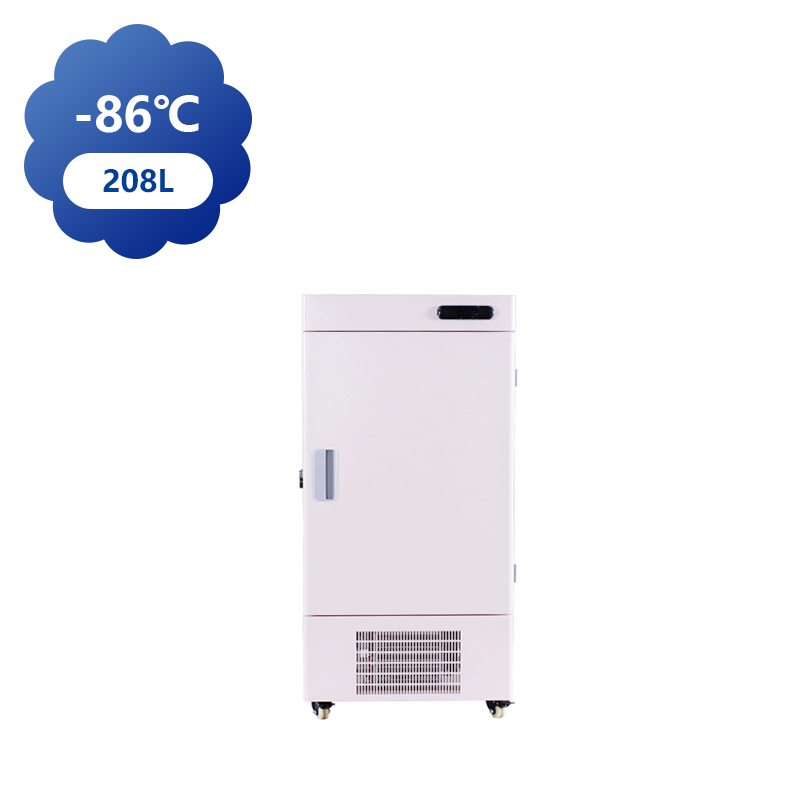



You can contact to me using this form.
Many lab managers and researchers using a minus 80 freezer encounter a common challenge: the internal temperature rises after opening the door. Understanding why this happens, how long recovery takes, and how to minimize temperature fluctuations is essential for protecting sensitive samples and maintaining equipment efficiency.
Q1: Why does the temperature rise when the door is opened?
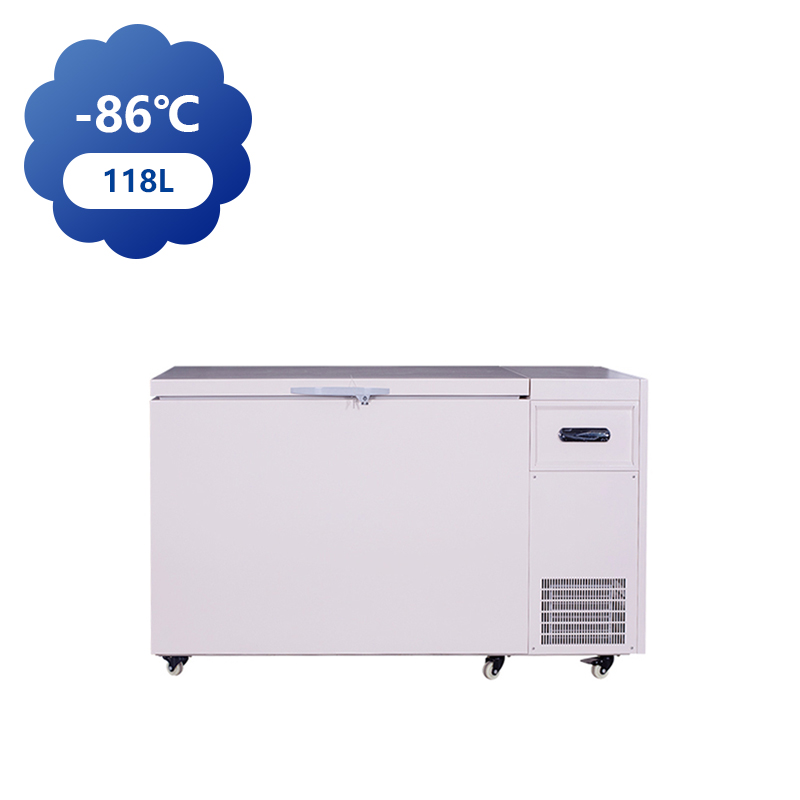
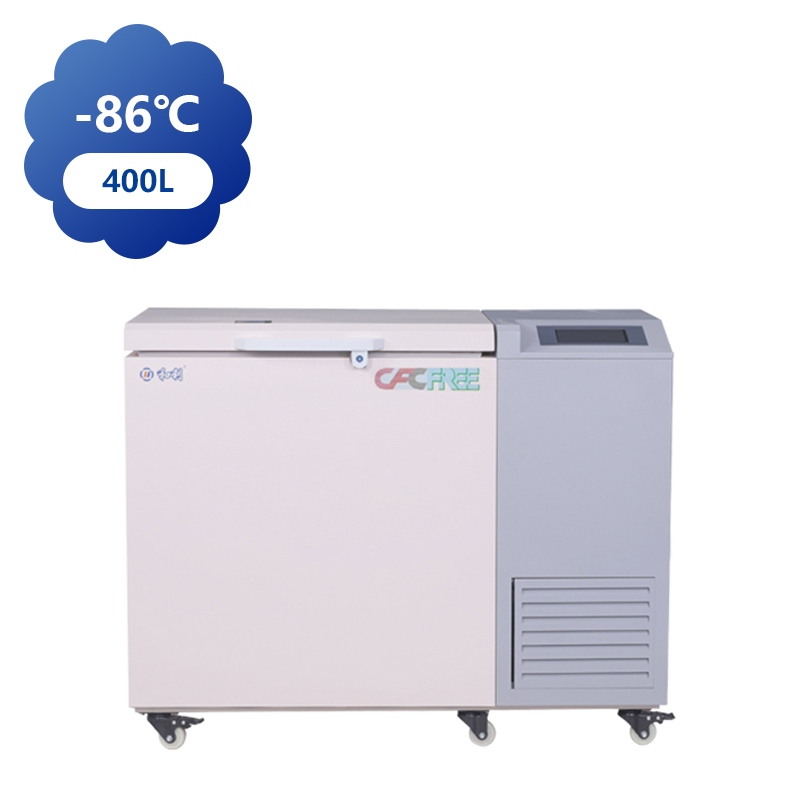
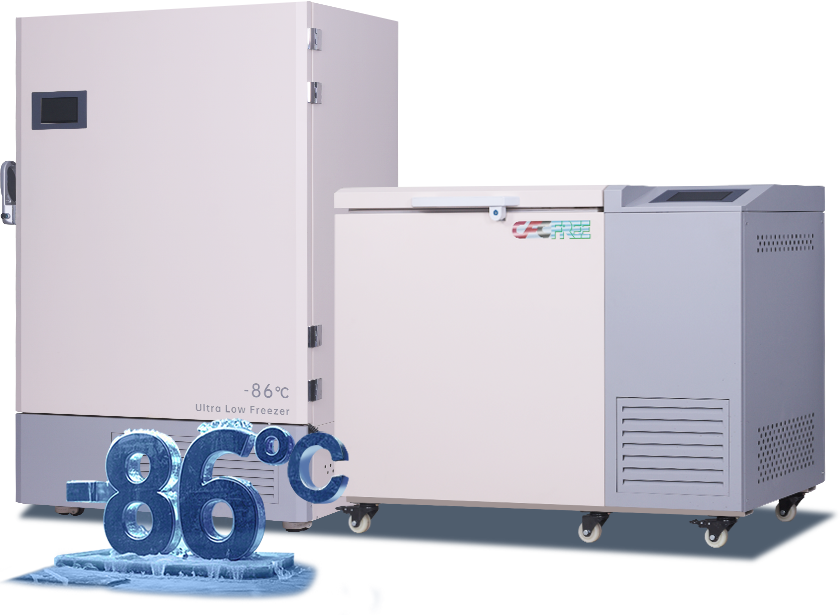
When the door of a minus 80 freezer is opened, extremely cold air escapes and warmer ambient air enters the chamber. Even a brief opening can increase the temperature by several degrees. Similarly, low temperature chest freezers experience temporary warming when their lids are opened. Factors influencing the temperature rise include:
The duration of the door opening
The number and size of samples stored inside
The design of internal airflow and insulation
The ambient room temperature
The effect is more pronounced in freezers that are heavily loaded or frequently accessed, as the thermal mass inside the unit slows down recovery.
Q2: How long does it take to recover the target temperature?
Recovery time depends on several variables: freezer model, sample load, and the duration of door opening. In general:
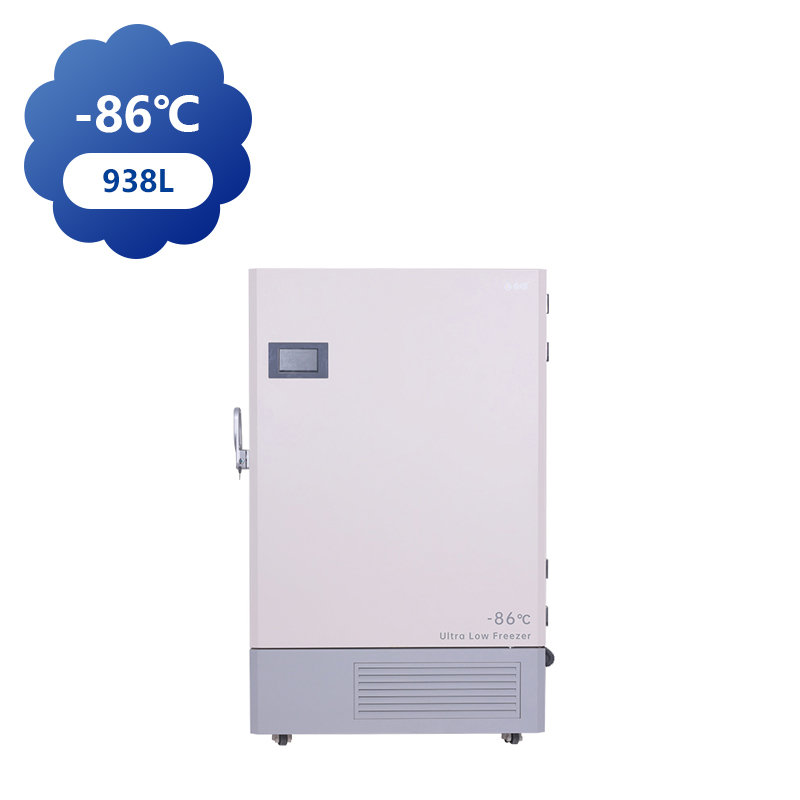
Minus 80 freezers can take from 30 minutes up to 2 hours to stabilize at -80°C after a brief door opening.
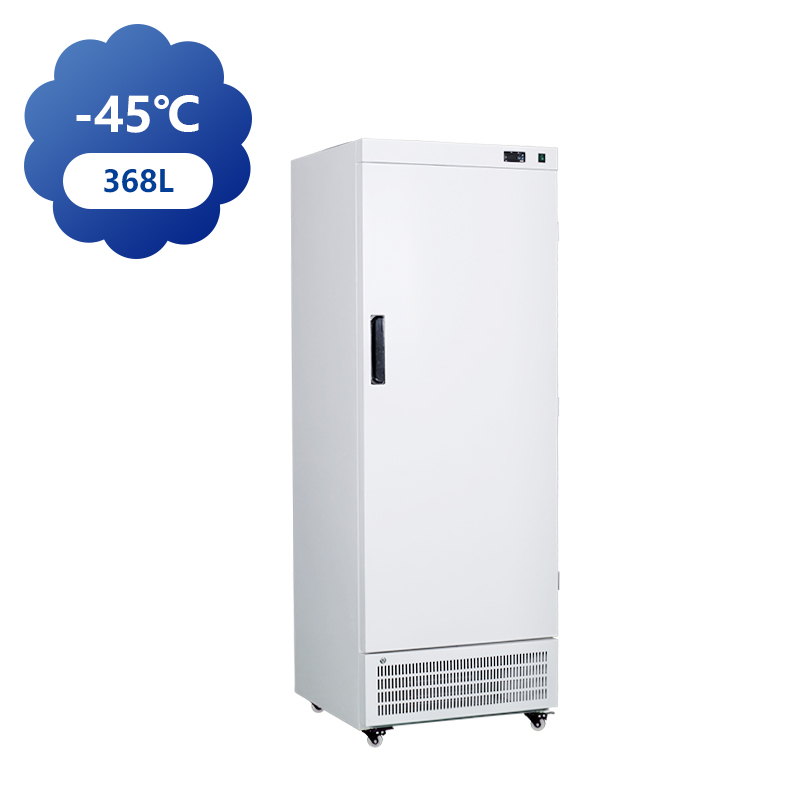
Low temperature chest freezers may recover slightly faster due to larger cold mass, but excessive or prolonged openings can still cause temperature fluctuations.
Additional factors include:
Age of the freezer and condition of the compressor
Proper maintenance of door seals and cooling systems
Use of monitoring devices or alarms to detect deviations
Q3: Practical steps to minimize temperature rise
Plan sample retrieval efficiently: Group items needed together so that the door can be opened only once.
Minimize door open time: Open the freezer quickly, retrieve items promptly, and close the door carefully.
Organize samples logically: Place frequently accessed samples near the top or front for faster retrieval.
Use trays or racks: Helps prevent cold air loss from other areas of the freezer and maintains airflow.
Avoid overloading: Ensure items do not block internal vents, which can impede circulation and delay temperature recovery.
Q4: Is a temporary temperature rise harmful?
A short-term temperature increase of a few degrees is usually manageable for more biological samples. However, repeated or prolonged exposure can affect sensitive reagents, cell cultures, or DNA/RNA samples. Minus 80 freezers are designed to handle occasional fluctuations, but labs storing critical materials should minimize door openings and monitor temperature closely to ensure sample integrity.
Q5: Additional recovery and maintenance tips
Monitor temperature continuously: Use digital loggers or built-in alarms to track internal temperature changes.
Check door seals: Ensure gaskets are clean, intact, and free from ice buildup. Damaged seals reduce efficiency and prolong recovery.
Routine maintenance: Regularly inspect the freezer, clean condenser coils, and defrost as needed.
Consider compartmentalized freezers: Some low temperature chest freezers have separate lids or drawers to reduce cold air loss during access.
Temperature recovery after opening a minus 80 freezer is a normal phenomenon, but understanding the causes and implementing nicely practices ensures sample safety and equipment longevity. Minimizing door openings, organizing samples thoughtfully, and monitoring internal temperatures are key steps. Zhejiang Heli Refrigeration Equipment Co., Ltd. provides technical guidance and support for laboratories, biobanks, and cold chain facilities to optimize ultra-low temperature storage and maintain reliable performance.
