


 中文简体
中文简体 English
 Français
 عربى
عربى +86-15988502726(wechat)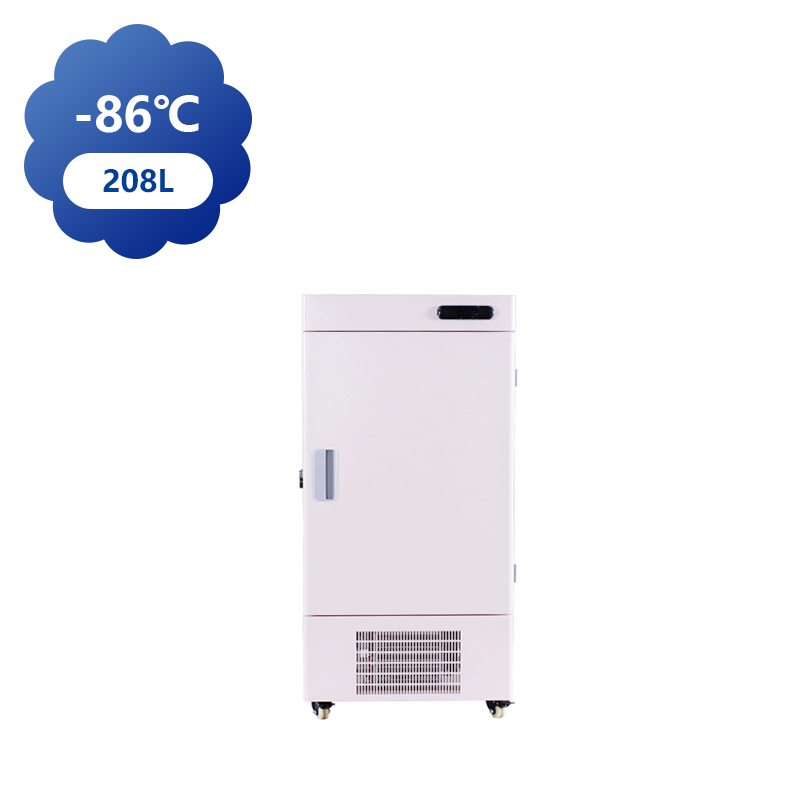
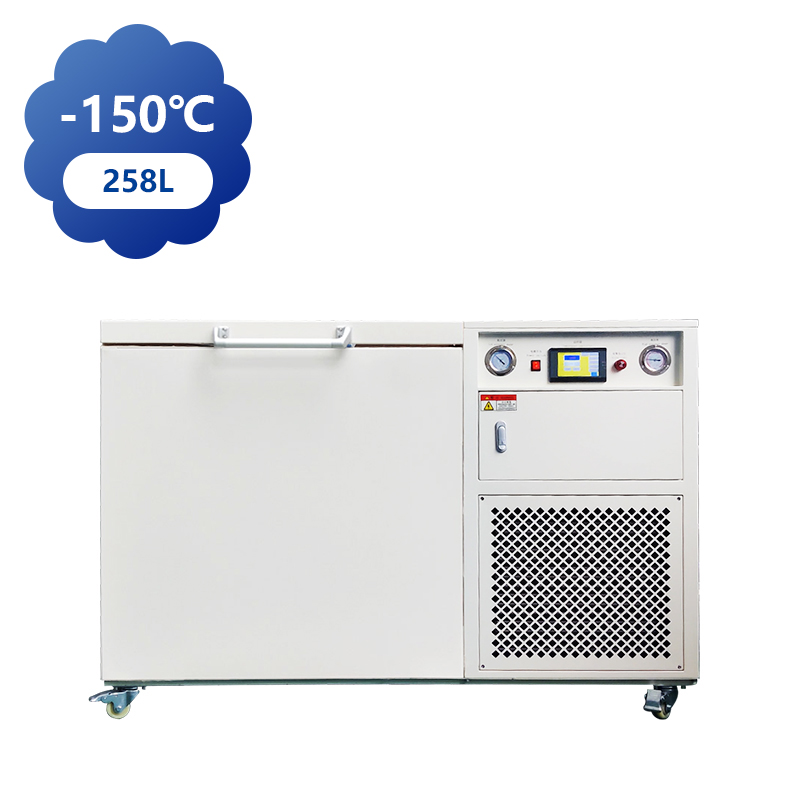
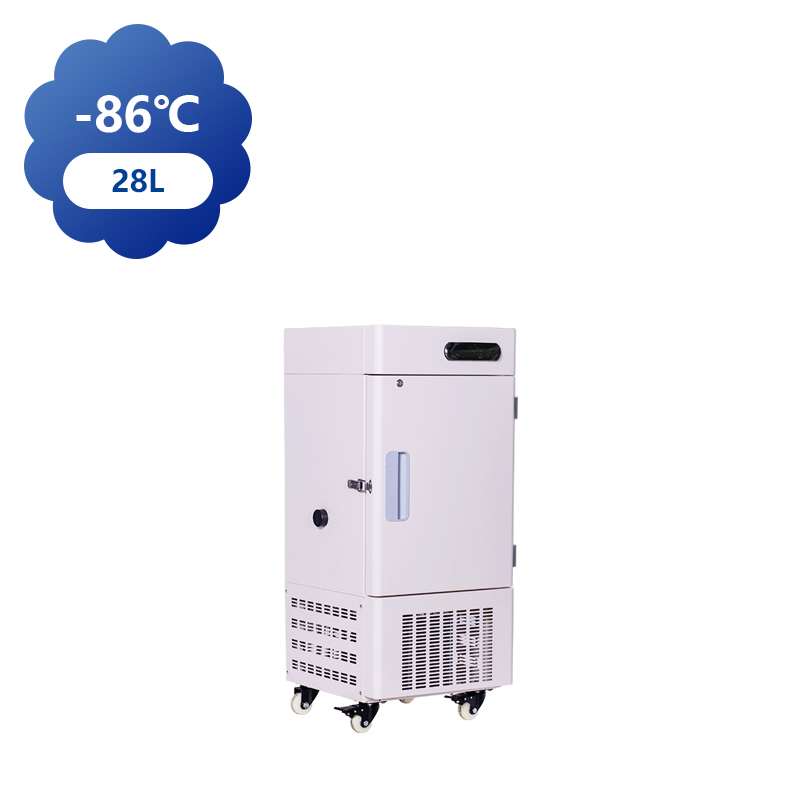



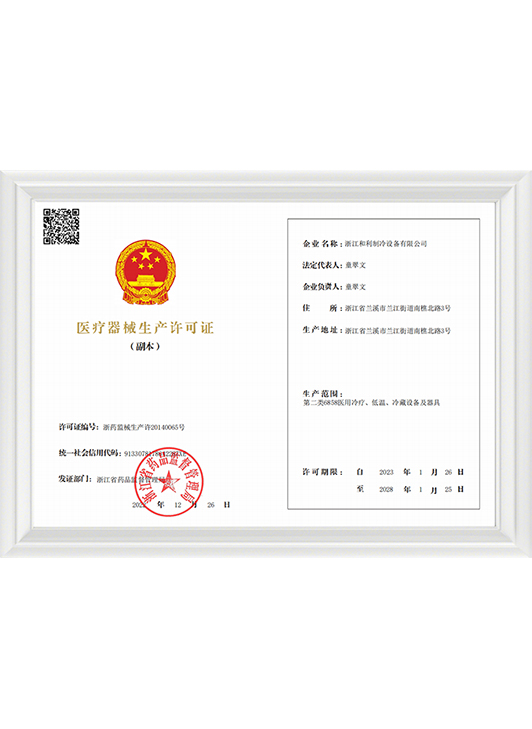
You can contact to me using this form.
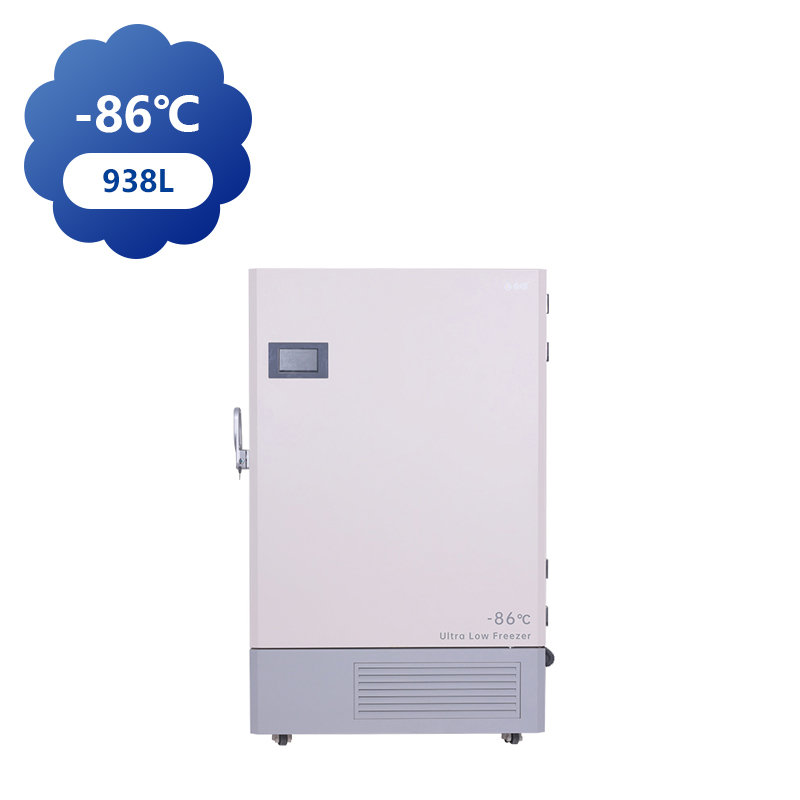
Ultra-low temperature storage is not limited to laboratories or biobanks. Increasingly, food industries are adopting a minus 80 freezer for preserving seafood, meat, and other perishable foods.
1. Importance of Ultra-Low Temperatures in Food Storage
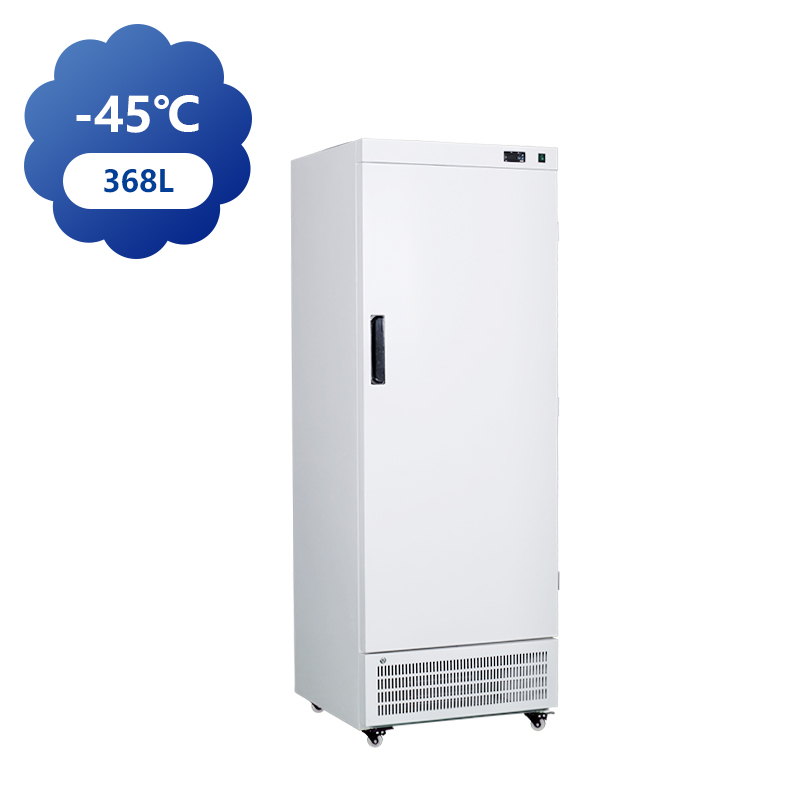
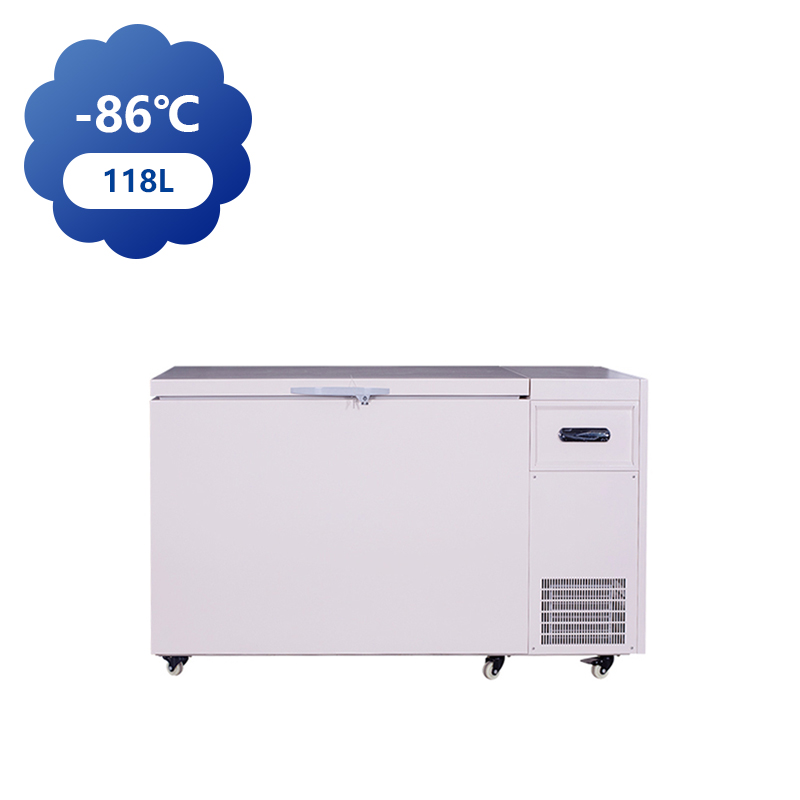
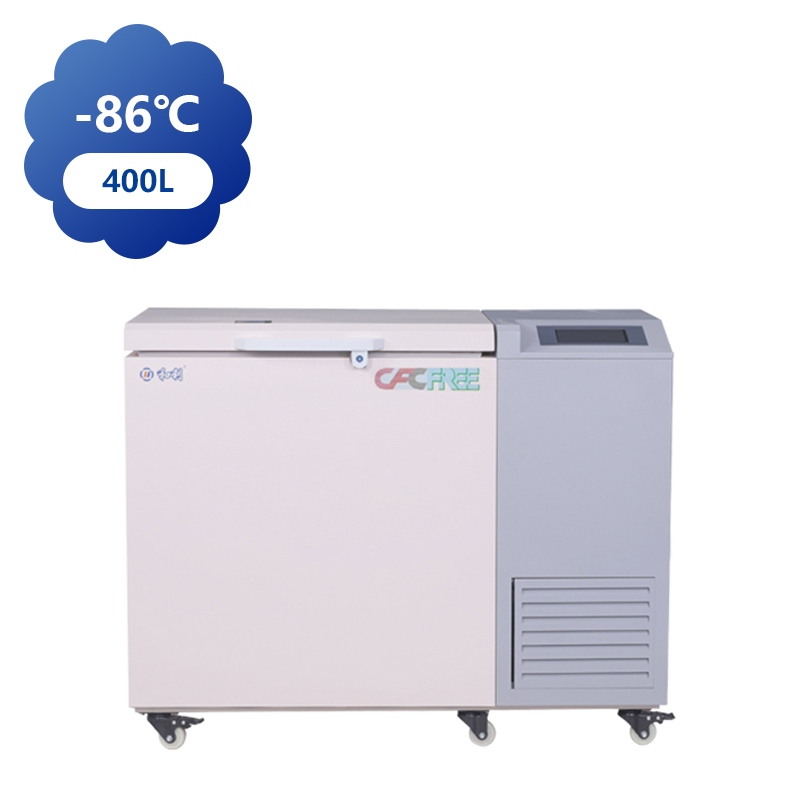
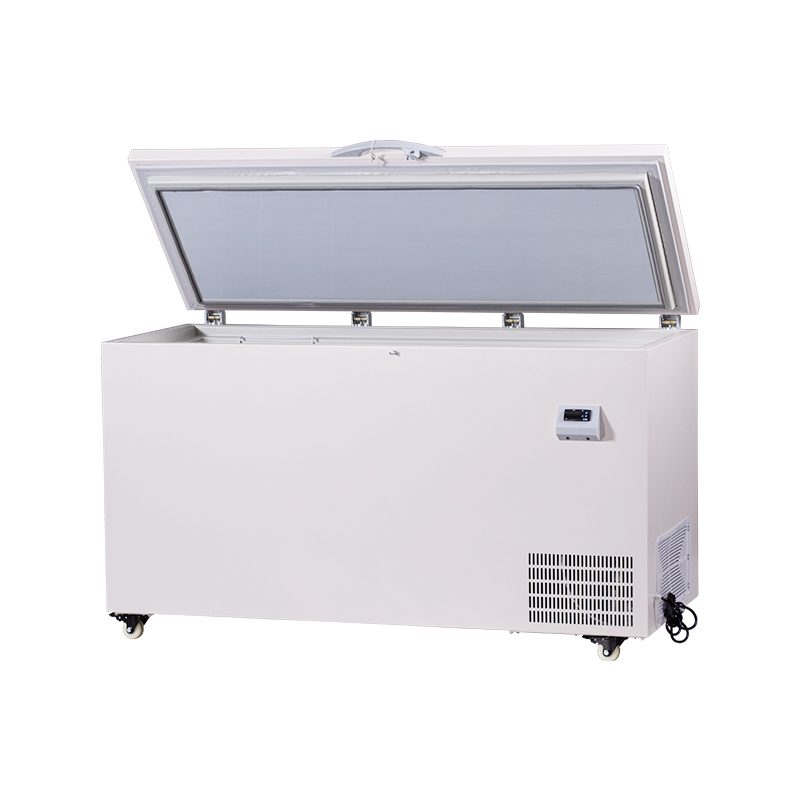
Maintaining seafood and other perishable foods at ultra-low temperatures significantly slows microbial activity and enzymatic reactions, reducing spoilage and preserving freshness for extended periods. Compared with conventional commercial freezers, minus 80 freezers maintain stable temperatures well below -60°C, minimizing changes in texture, color, and nutritional value. Low temperature chest freezers provide additional storage volume, making them practical for bulk storage in processing plants, restaurants, and cold chain logistics.
2. Advantages of Using Ultra-Low Temperature Freezers for Food
Extended Shelf Life: Seafood and meat stored at -80°C retain quality for months, allowing longer distribution and storage without compromising freshness.
Consistent Temperature: Both minus 80 freezers and low temperature chest freezers maintain uniform temperatures across shelves, preventing localized thawing.
Large Storage Capacity: Chest-style freezers offer ample space for packaged seafood, trays, or bulk items, while ensuring proper airflow for even cooling.
Safe for Sensitive Products: Delicate seafood, such as sashimi-grade fish or shellfish, benefits from ultra-low temperature storage that preserves taste, texture, and appearance.
3. nicely Practices for Food Storage
To maximize the effectiveness of minus 80 freezers and low temperature chest freezers:
Pre-Cool Food: Chill seafood or meat before placing it in the freezer to prevent sudden temperature spikes that stress the compressor.
Use Proper Packaging: Airtight containers or vacuum-sealed bags prevent freezer burn, reduce moisture loss, and minimize frost formation.
Organize Samples Efficiently: Arrange items in trays, racks, or compartments to allow airflow and prevent overcrowding.
Monitor Temperatures: Regularly check built-in digital displays or external temperature probes to ensure the freezer maintains consistent ultra-low temperatures.
4. Applications Across the Food Industry
Minus 80 freezers are widely used in seafood storage for premium fish, shellfish, and products intended for export, ensuring quality during long-distance transportation. Low temperature chest freezers are particularly practical in commercial kitchens, food processing plants, and cold chain logistics where high-capacity storage and reliable cooling are required. Maintaining ultra-low temperatures reduces the risk of spoilage and extends shelf life, allowing producers to meet both quality and regulatory standards.
5. Maintenance and Operational Tips
Even in food applications, proper maintenance ensures long-term performance:
Inspect and clean door gaskets regularly to maintain airtight seals.
Remove frost and ice buildup to preserve airflow and cooling efficiency.
Keep condenser coils clean and verify temperature settings routinely.
Avoid frequently opening the freezer, and access only the sections needed.
6. Real-World Scenario
A seafood supplier using a minus 80 freezer for premium shellfish noticed reduced spoilage and longer shelf life compared to conventional freezers. By organizing seafood in labeled trays, minimizing door openings, and monitoring temperature with a digital logger, the supplier maintained good storage conditions while improving operational efficiency. This example illustrates how proper freezer use, combined with the capabilities of low temperature chest freezers, can enhance product quality and reduce losses.
Zhejiang Heli Refrigeration Equipment Co., Ltd., a professional manufacturer of ultra-low temperature refrigeration equipment, offers solutions that combine precise temperature control with high storage capacity, making them suitable for both scientific and food applications.
