


 中文简体
中文简体 English
 Français
 عربى
عربى +86-15988502726(wechat)
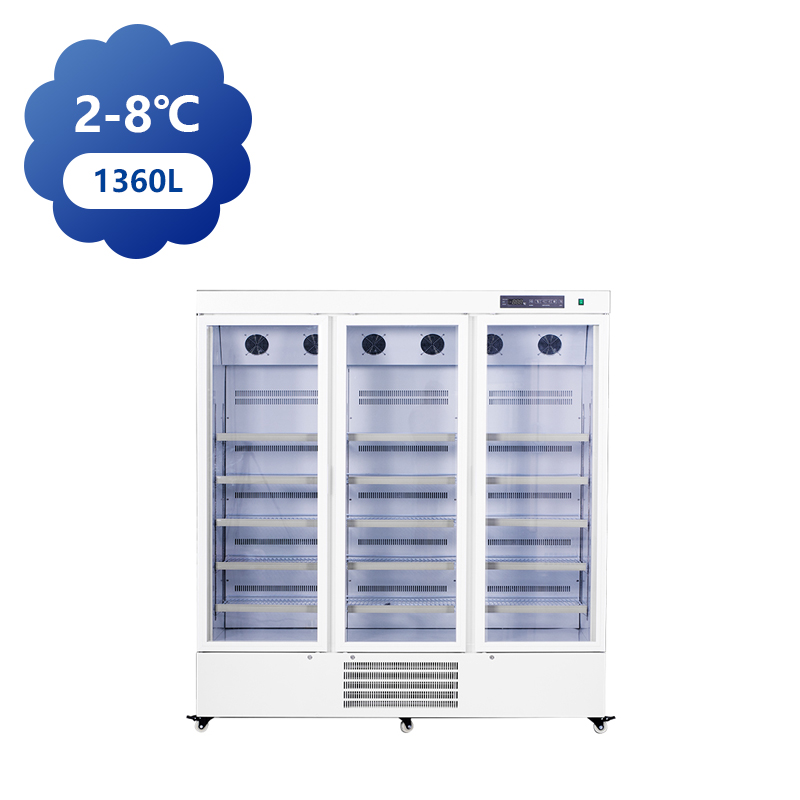
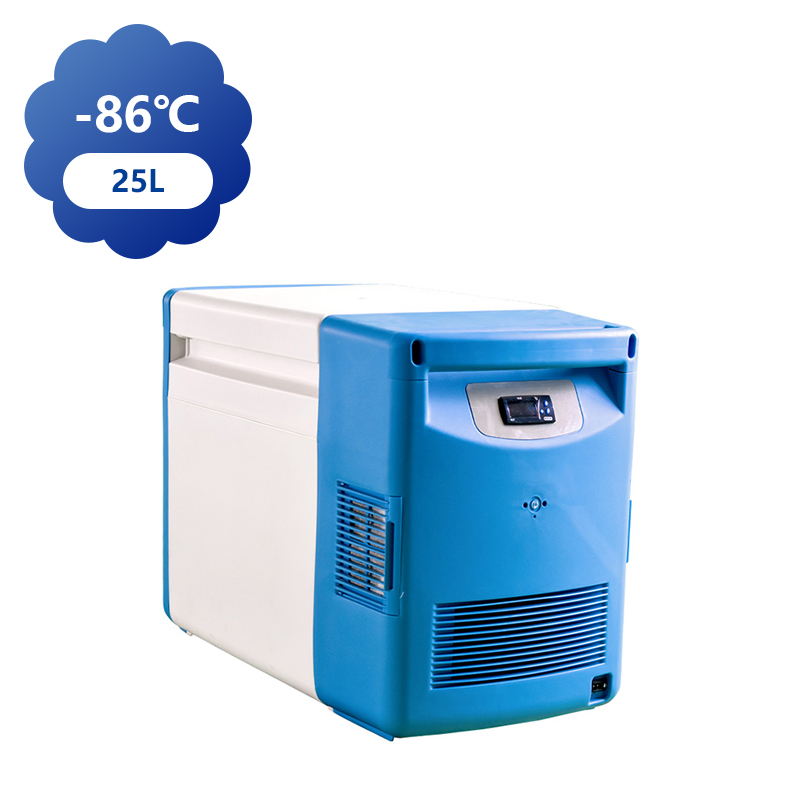
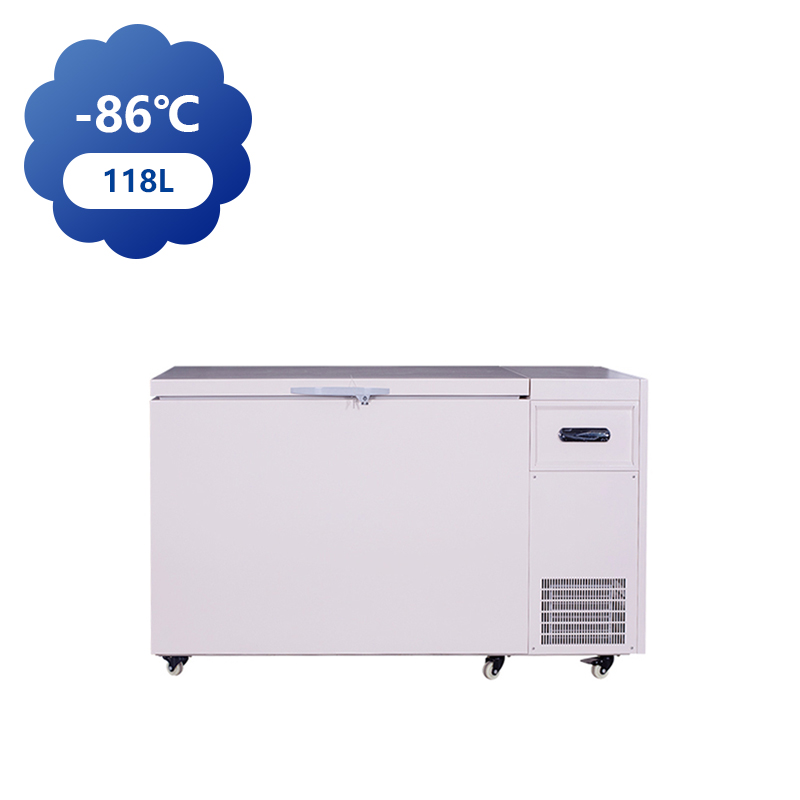
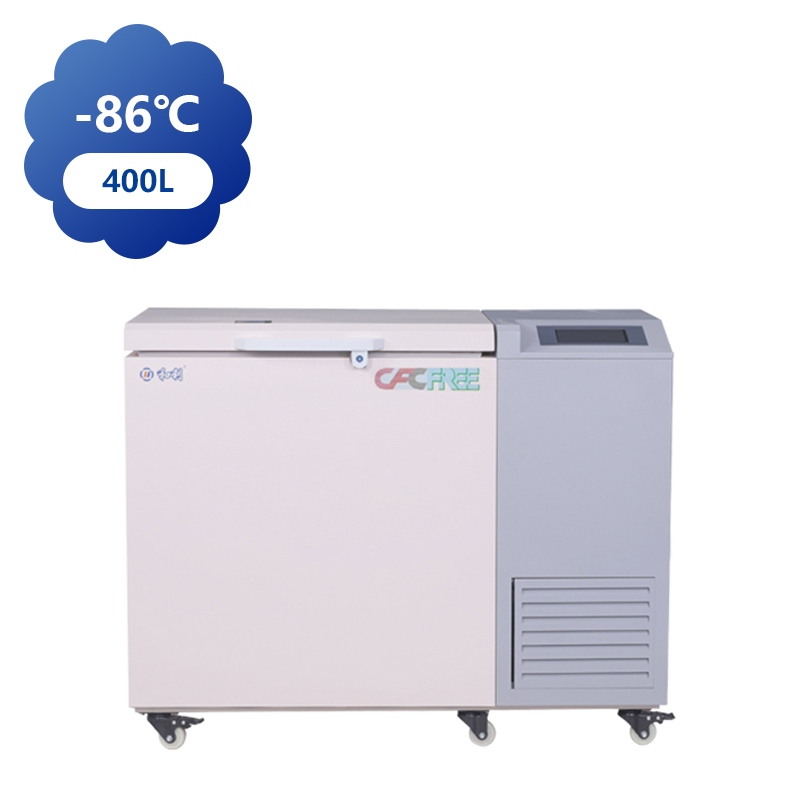



You can contact to me using this form.
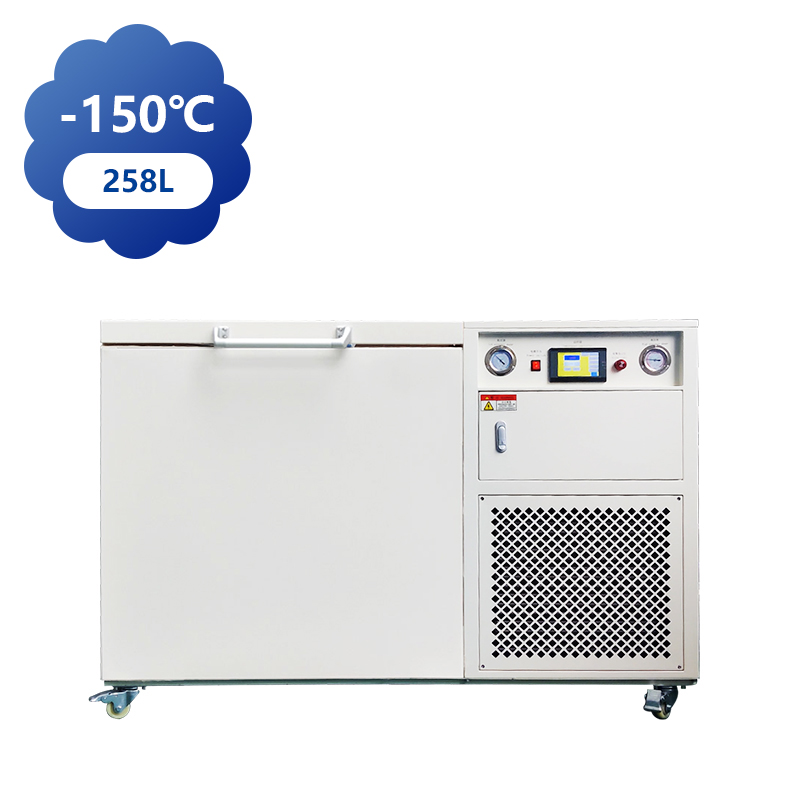
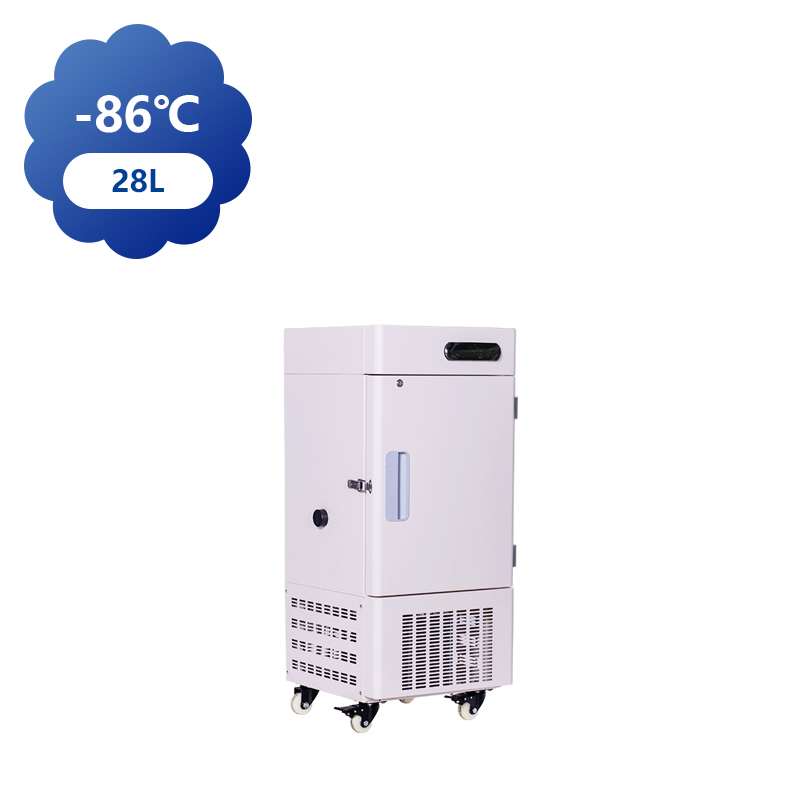
A reliable ultra-low temperature freezer is the result of many manufacturing decisions that may not be visible from the outside. Refrigeration components, electrical controls, cabinet insulation, sealing systems, assembly accuracy, and final testing all influence how the finished equipment performs. For overseas procurement teams, understanding these manufacturing factors can make supplier evaluation more meaningful. When selecting an Industrial ULT Freezer, buyers should look beyond the product appearance and examine how the manufacturer controls quality throughout production.
Component Quality Sets the Foundation
ULT refrigeration places demanding requirements on core components, particularly compressors, heat exchangers, sensors, electrical controls, and sealed refrigeration circuits. A component that performs adequately in a conventional cooling application may not necessarily be appropriate for ultra-low temperature operation.
For manufacturers, component selection therefore begins with application requirements rather than simply purchasing according to price. Specification control, incoming inspection, supplier consistency, and component traceability can help create a more stable production foundation for each freezer.
Refrigeration Assembly Requires Precision
The refrigeration system is not simply a collection of individual parts. Piping, joints, compressors, heat exchangers, refrigerant charging, and control components need to operate as a coordinated system.
During manufacturing, assembly procedures can influence the final refrigeration performance. Proper joining, leak inspection, vacuum procedures, refrigerant charging, and system testing are therefore important stages before a freezer reaches final inspection. A structured production process gives manufacturers greater control over consistency between different units.
Cabinet Construction Protects Cooling Performance
The refrigeration system receives much of the technical attention, but cabinet construction also has a direct role in maintaining ultra-low temperatures. Insulation thickness, door sealing, inner doors, hinges, structural interfaces, and thermal bridges all need to be considered during product development.
Manufacturers can evaluate these elements through prototype testing and production inspection. A carefully controlled cabinet assembly process also helps ensure that insulation and sealing features remain consistent from one production batch to another.
Electrical Controls Need Their Own Inspection
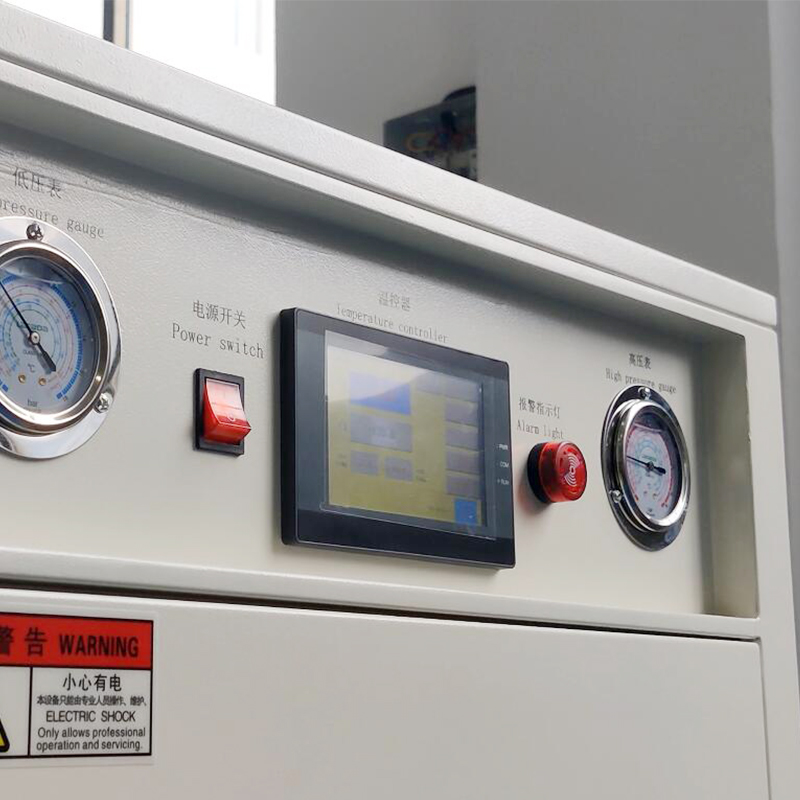
Modern ULT freezers rely on electronic controllers, temperature sensors, alarms, displays, and protection functions. These systems need to work together with the refrigeration equipment rather than being tested independently.
During production, manufacturers can verify sensor readings, controller responses, alarm functions, compressor operation, and electrical connections before shipment. This type of inspection can identify issues that may not be obvious during a simple visual quality check.
End-of-Line Testing Adds Another Check
Final inspection is where individual manufacturing processes come together. Leading ULT manufacturers publicly describe end-of-line testing that can include temperature pull-down, compressor cycling, defrost behavior, warm-up testing, and other performance checks.
A manufacturer developing its own quality-control procedure can establish inspection points such as:
- Refrigeration system operation
- Temperature control and sensor response
- Door sealing and cabinet condition
- Alarm and controller functions
- Electrical safety and operating parameters
- Appearance, assembly, and final configuration
The exact testing procedure should reflect the freezer model and the customer's technical requirements.
Factory Records Support Global Procurement
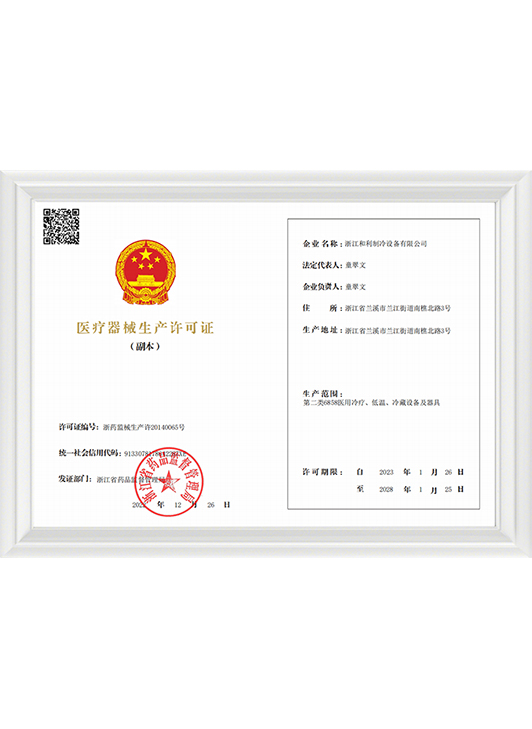
For international buyers, manufacturing quality is easier to evaluate when supported by clear documentation. Production records, inspection results, calibration information, technical specifications, and user documentation can help distributors and end users understand what was checked before shipment.
This becomes particularly valuable for OEM projects, where the buyer may need to review the equipment remotely before accepting a production batch. Consistent documentation can also improve communication between the manufacturer's engineering team, purchasing department, distributor, and final customer.
Reliability Starts on the Production Line
A dependable ULT freezer is not created by one component or one final inspection. It comes from controlling the entire manufacturing chain, from component selection and refrigeration assembly to cabinet production, electrical integration, testing, and documentation.
As an Industrial ULT Freezer manufacturer, we treat production quality as an engineering process rather than a final visual inspection. By controlling key manufacturing stages and verifying the completed system before shipment, manufacturers can give overseas procurement teams a clearer basis for evaluating equipment reliability, consistency, and suitability for long-term laboratory applications.
